EU Leaders Coordinate Greenland Response as Trump Prepares Davos Talks
European leaders are intensifying diplomatic coordination over Greenland as U.S. President Donald Trump renews his push for American control of the Arctic island ahead of high-level meetings at the World Economic Forum in Davos this week.
The issue has emerged as a potential flashpoint in transatlantic relations, with Trump insisting that U.S. ownership of Greenland is critical to global security — a position firmly rejected by Denmark, Greenland’s government, and European Union officials.
In a social media post on Monday, Trump said he had spoken by phone with NATO Secretary-General Mark Rutte and agreed to convene talks among “the various parties” during the Davos summit. Trump described Greenland as “imperative for National and World Security,” adding that “there can be no going back.”
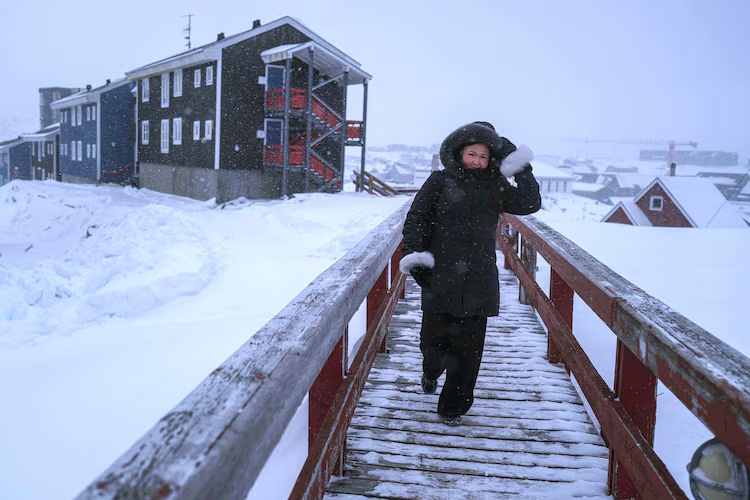
Greenland is a self-governing territory within the Kingdom of Denmark. While the island holds vast mineral resources and occupies a strategic position in the Arctic, both Danish and Greenlandic leaders have consistently rejected any suggestion of transferring sovereignty to the United States.
European Pushback and Diplomatic Coordination
European officials moved quickly to counter Trump’s remarks, emphasizing respect for territorial sovereignty and warning against actions that could destabilize NATO unity.
European Commission President Ursula von der Leyen said she met with a bipartisan delegation of U.S. lawmakers to discuss Russia’s war in Ukraine and the escalating rhetoric surrounding Greenland. In a post on X, von der Leyen stressed that respect for Greenland’s sovereignty and Denmark’s territorial integrity was non-negotiable.
“This is of utmost importance to our transatlantic relationship,” she said, adding that the European Union remains committed to close cooperation with the United States and NATO, particularly in coordination with Denmark, to advance shared security interests.
Von der Leyen also raised concerns over trade tensions, warning that tariffs would undermine economic ties that benefit both sides of the Atlantic. “Tariffs run counter to these shared interests,” she wrote.
NATO and Arctic Security in Focus
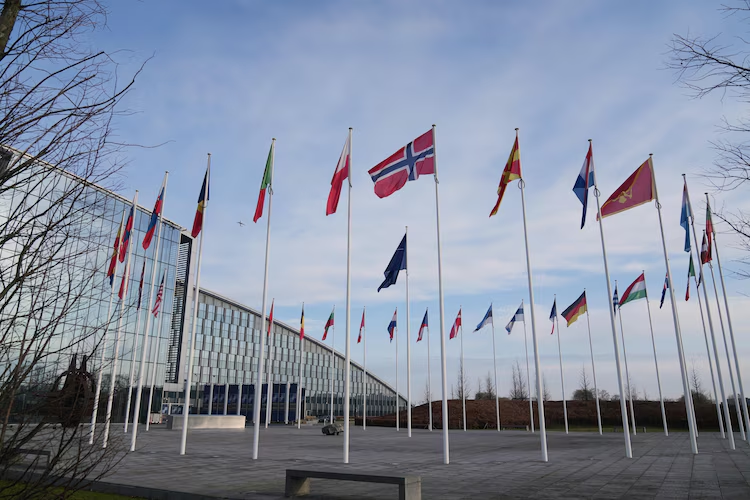
The Greenland question has also reached NATO’s leadership. Danish and Greenlandic ministers traveled to Brussels on Monday to meet with NATO Secretary-General Rutte, signaling growing concern that the dispute could strain the alliance.
Danish Defense Minister Troels Lund Poulsen said the situation presents challenges “fundamentally to Europe and, for that matter, also the future of NATO.” He described Rutte as “very aware of the difficult situation,” underscoring the sensitivity of the issue within the alliance.
Greenland’s Foreign Minister Vivian Motzfeldt said the meeting delivered progress on Arctic security cooperation. “It is important to know how to work with security in the Arctic,” she said, noting that Greenland and its partners are conducting joint exercises to address emerging risks in the region.
Broader European Diplomacy
Denmark has also sought to rally support from key European partners. Foreign Minister Lars Løkke Rasmussen traveled to London on Monday to meet with his British counterpart, highlighting the importance of unity among allies.
“In turbulent times, close allies are crucial — Denmark and the UK stand close together,” Rasmussen said in a statement posted on X. He added that both countries agree on the need for stronger NATO engagement in the Arctic and closer security cooperation.
The Arctic has increasingly become a focal point for geopolitical competition, with melting ice opening new shipping routes and access to untapped natural resources. Western officials have voiced growing concern over China’s and Russia’s expanding presence in the region.
Trump’s Security Argument and Trade Fallout
Trump has argued that U.S. sovereignty over Greenland is necessary to counter Russian and Chinese influence and protect American security interests. Although a 1951 defense agreement already grants the U.S. military access to bases in Greenland, Trump has suggested the arrangement is insufficient.
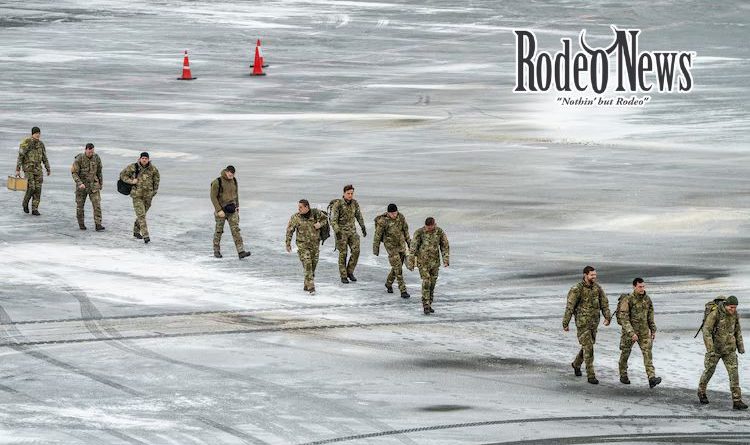
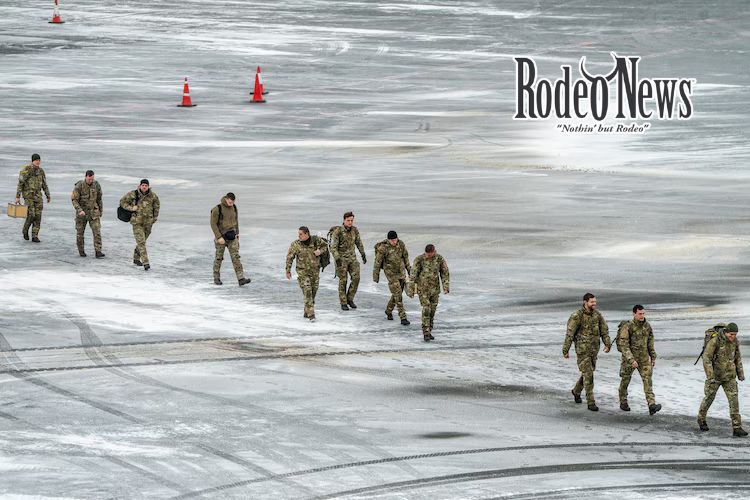
Denmark and its European allies have attempted to address security concerns through increased military spending and by deploying small contingents of troops to Greenland last week. European officials described the moves as defensive and aimed at strengthening NATO’s Arctic posture.
Trump, however, characterized the deployments as provocative. In response, he announced new 10% tariffs on all goods from eight countries — Denmark, Norway, Sweden, France, Germany, the United Kingdom, the Netherlands, and Finland — that participated in the troop deployments.
The decision prompted swift backlash from European leaders, who warned it could trigger a renewed transatlantic trade conflict at a time when unity is seen as critical.
Davos Looms as Test for Transatlantic Relations
With global leaders converging on Davos, diplomats on both sides of the Atlantic are bracing for tense discussions. The Greenland dispute, once viewed as a fringe issue, now threatens to become a defining test of U.S.–European relations, NATO cohesion, and the future of Arctic security.
As European officials stress sovereignty and cooperation, Trump’s renewed assertiveness signals that the debate over Greenland’s strategic role — and who ultimately controls it — is far from over.