DOJ Releases Massive New Batch of Epstein Files, Says Legal Transparency Mandate Is Met
The U.S. Department of Justice on Friday released a sweeping new tranche of documents tied to the criminal investigation and death of convicted sex offender Jeffrey Epstein, saying the disclosure fulfills its legal obligations under a recently passed transparency law.
The release includes more than 3 million pages of material, alongside over 2,000 videos and roughly 180,000 images, according to the department. The documents stem from years of investigative material connected to Epstein’s trafficking case and subsequent death in federal custody in 2019.

Deputy Attorney General Todd Blanche said the disclosure brings the department into compliance with the Epstein Files Transparency Act, legislation approved by Congress last November that compelled the DOJ to make the records public.
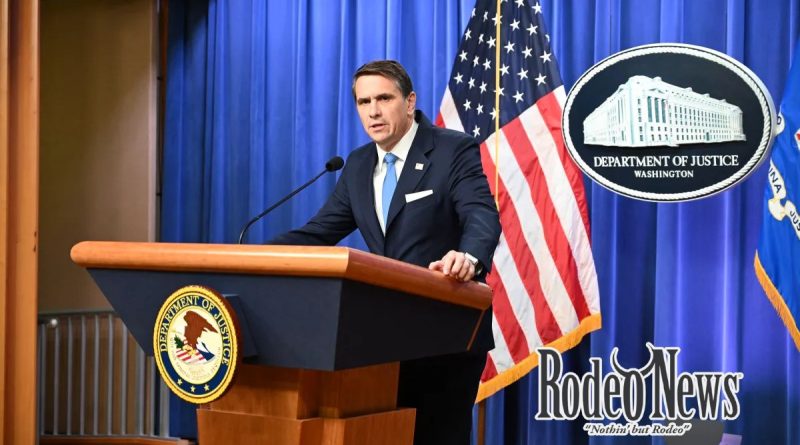
“We are now in compliance with the law,” Blanche said at a press conference Friday, pushing back against accusations that the department had delayed or obstructed the release.
Victims’ Information and Unvetted Material Surface
Reporters reviewing the newly released files say the documents include unredacted names and photographs of Epstein victims, as well as extensive material submitted to the FBI by members of the public. The collection also contains private correspondence and records referencing prominent figures, including business leaders, politicians and former government officials.
Among the names appearing in the files are Elon Musk, Kathryn Ruemmler, who served as White House counsel during the Obama administration, and multiple mentions of President Donald Trump.
The Justice Department stressed that inclusion in the files does not imply wrongdoing.
“These materials include unvetted submissions, private correspondence, and raw investigative records,” the department said in a statement. “Being mentioned does not establish any association with Epstein’s crimes.”
The release also comes with an explicit warning: some documents, images or videos may be fake, false or misleading, as the department was legally required to include everything submitted to the FBI that fell under the scope of the act.
Political Pressure and Missed Deadlines
Lawmakers who championed the transparency law had repeatedly criticized the DOJ for missing an initial mid-December deadline and for heavily redacting earlier document releases.
Friday’s disclosure appears to be an attempt to quell mounting bipartisan frustration on Capitol Hill, where some lawmakers accused the department of slow-walking the process.
Blanche said the scope of the material made delays unavoidable.
“More than 500 attorneys and staff worked nights, weekends and holidays,” he said, noting the department reviewed more than 6 million pages in total — a volume he described as “two Eiffel Towers of pages.”
The DOJ said it withheld materials depicting violence, documents covered by attorney-client privilege, and duplicate or unrelated records, while limiting redactions strictly to protecting victims and their families.
Trump Mentions and Disputed Allegations
NPR’s initial review of the files found that Trump’s face was blacked out in a news article sent to Epstein by former adviser Steve Bannon, while a spreadsheet containing unverified allegations of inappropriate conduct involving Trump and others briefly appeared online before being taken down.
A Justice Department spokesperson said the document was removed “due to overload” and later restored.
In a press release accompanying the disclosure, the department said some of the submissions contained “untrue and sensationalist claims” submitted shortly before the 2020 presidential election.
“To be clear, the claims are unfounded and false,” the statement said. “If they had any shred of credibility, they would have been weaponized against President Trump already.”
Blanche rejected suggestions that the department tailored its release to shield Trump, saying reviewers were instructed that public figures were not to be redacted.
“There’s this mantra out there that the Department of Justice is supposed to protect Donald J. Trump,” Blanche said. “That’s not true. We are always concerned about the victims.”
A Saga With Political Fallout
The Epstein files have become a persistent political flashpoint during Trump’s second term, fueling conspiracy theories and criticism from both supporters and opponents.
During the campaign, Trump repeatedly suggested the government was hiding damaging information about Epstein’s connections to powerful individuals, pledging full transparency. After returning to office, however, his administration faced resistance from lawmakers and activists demanding immediate disclosure.
Blanche said the president has directed the department to be as transparent as possible within the bounds of the law.
“I take umbrage at the suggestion that this department does not take child exploitation or sex trafficking seriously,” Blanche said. “That is totally false.”
Separate Civil Rights Investigation Announced
At the same briefing, Blanche also announced that the DOJ has opened a civil rights investigation into the death of Alex Pretti, a U.S. citizen shot by immigration enforcement officers in Minneapolis last weekend.
The investigation is being led by the FBI in coordination with the DOJ’s civil rights division and the Department of Homeland Security.
“I don’t want the takeaway to be that there’s some massive investigation,” Blanche said. “This is a standard FBI review when there are circumstances like what we saw.”
More to Come
The Justice Department warned that public review of the Epstein files is likely to continue uncovering controversial and disturbing material, much of it unverified.
Officials emphasized that the release is a legal obligation — not a validation of every claim contained within the documents.
“This is a developing story,” the department said, adding that further clarification and updates may follow as journalists, lawmakers and the public examine the files.