BBC chair likely to apologise after Trump-speech editing row prompts leaders’ exit
The BBC is expected to publicly apologise for the way it edited former US President Donald Trump’s speech in an episode of its current-affairs programme Panorama, following intense scrutiny of the broadcaster’s editorial processes and the resignations of two of its top executives.
What happened
The row centres around a clip used in the Panorama episode “Trump: A Second Chance?”, which the BBC has admitted may have given the impression that Trump told supporters he would walk with them to the US Capitol to “fight like hell”. A memo from former external adviser to the BBC’s Editorial Standards Committee flagged concerns in the summer about how footage from 6 January 2021 was spliced together
In the aftermath:
- Tim Davie, the BBC’s Director-General, announced his resignation, describing the departure as entirely his decision and thanking the board for its support.
- Deborah Turness, the Chief Executive of BBC News, also resigned, citing the controversy as reaching a stage where it was “causing damage to the BBC – an institution that I love”.
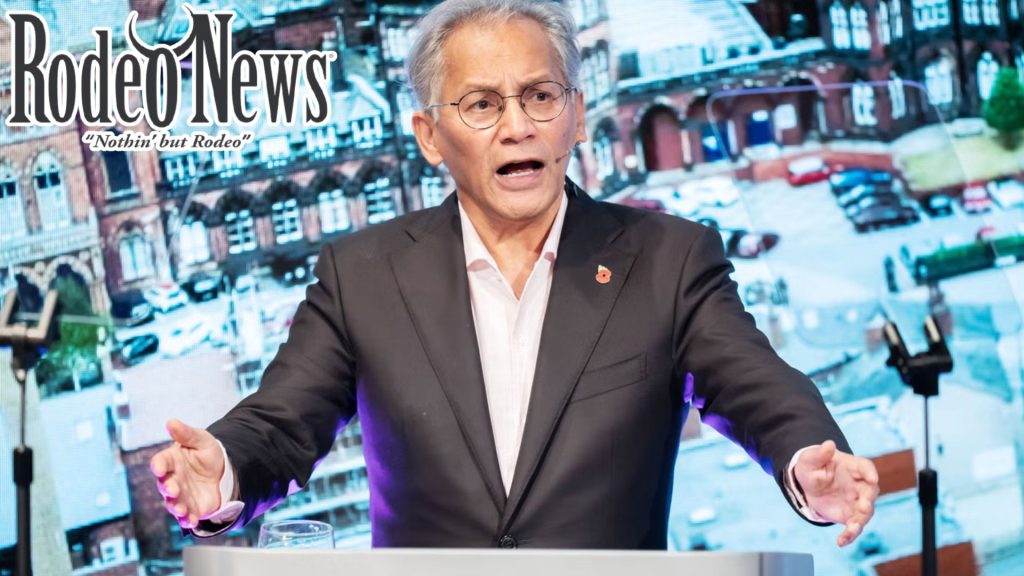
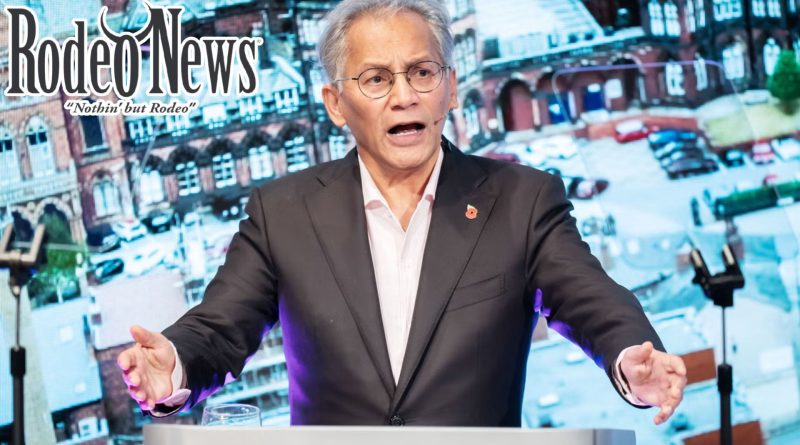
- Samir Shah, the BBC Chair, is reportedly preparing to apologise and present further detail to the House of Commons Culture, Media and Sport Committee.
Government response & wider implications
Culture Secretary Lisa Nandy praised Tim Davie’s service and stressed the government will support the BBC board during the transition. She emphasised that the upcoming Royal Charter review (which sets out the BBC’s mission and funding and expires at the end of 2027) offers an opportunity to reset the corporation’s role at the heart of national life.
The BBC is under pressure from across the political spectrum. The Liberal Democrats’ leader, Sir Ed Davey, called for the broadcaster to “turn a new leaf”. Meanwhile, Kemi Badenoch of the Conservative Party urged “top-to-bottom” reform, and Nigel Farage declared this was the BBC’s “last chance” unless it could prove itself straightforward, unbiased and fit to be the nation’s main broadcaster.
Why it matters
For many, the issue isn’t simply an editing mistake but a test of trust in the BBC’s impartiality and editorial integrity. The corporation has recently faced additional controversies, including a live broadcast of a contentious set by Bob Vylan and misconduct allegations around former television presenter Gregg Wallace.
A credible apology and transparent review process could help rebuild confidence. However, the real test will be the outcome of the charter review: whether the BBC can adapt to a changing media landscape, address claims of bias, and justify the licence-fee model it currently operates under.
What to watch
- Whether Samir Shah delivers a clear apology and outlines concrete steps to improve editorial oversight.
- How the charter review frames the BBC’s remit, funding model and accountability mechanisms.
- Whether the BBC uses this moment to make lasting cultural and structural changes, rather than simply weathering a crisis.
The next few weeks will be critical for the BBC in demonstrating that it can restore trust — not merely through leadership changes, but through evidence of consistent, transparent and balanced journalism