Germany Signals Strong Security Role for Western Forces in Ukraine
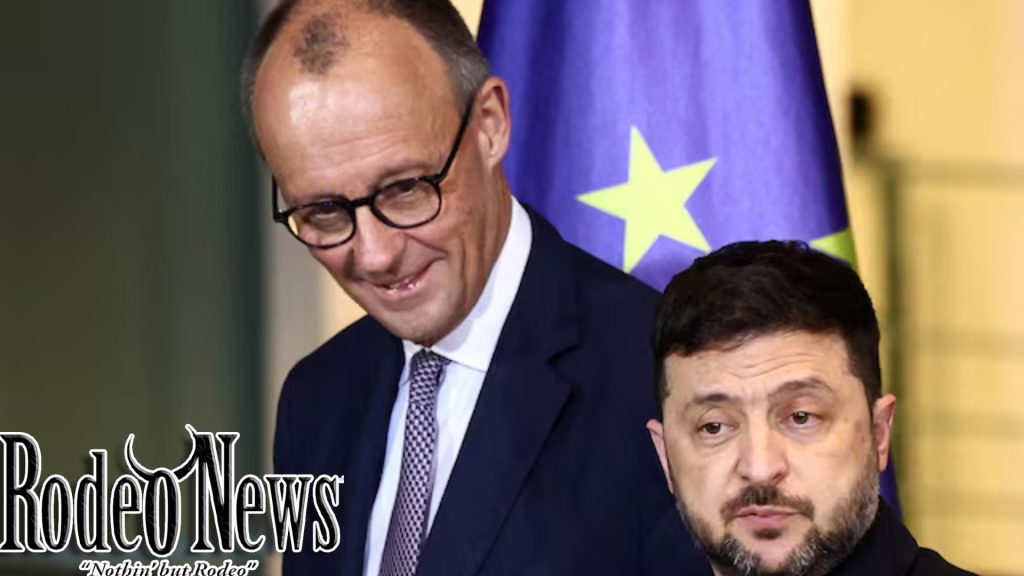
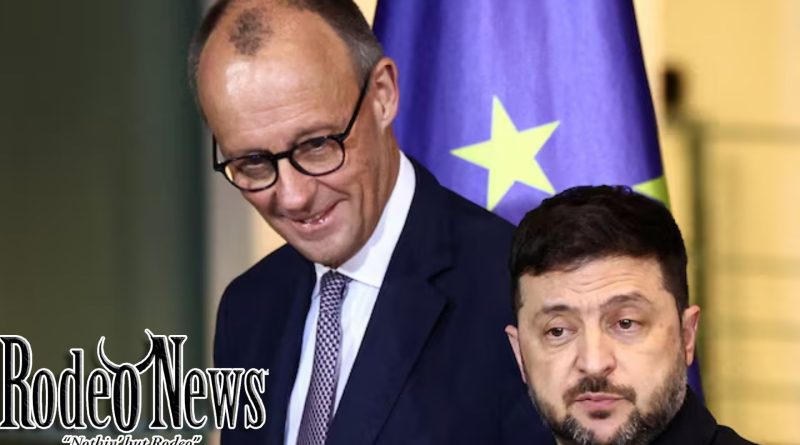
German Chancellor Friedrich Merz has outlined a bold vision for post-ceasefire security in Ukraine, suggesting that Western security guarantees could empower multinational forces to actively repel Russian military incursions if peace terms are violated.
In a December interview with German public broadcaster ZDF, Merz described discussions underway in Berlin between Ukrainian President Volodymyr Zelenskiy and Western interlocutors, including representatives from the United States. According to Merz, the draft framework being debated by Western partners could see guarantees modeled in part on NATO-style commitments — even if Ukraine remains outside the alliance itself. Reuters
“We would secure a demilitarised zone between the warring parties and, to be very specific, we would also act against corresponding Russian incursions and attacks,” Merz said, underlining that any such response would depend on a future ceasefire agreement. Reuters
U.S. Shift Marks Policy Break
Merz highlighted the significance of U.S. engagement, noting that American pledges to protect Ukraine under such guarantees represent a notable shift in U.S. policy. He said Washington’s position — essentially treating Ukraine like NATO territory in certain circumstances — was “a remarkable new position” for the United States. Reuters
However, Merz was careful to stress that the scenario remains hypothetical, contingent on a negotiated ceasefire that Russia has not yet accepted. Without Moscow’s agreement to halt hostilities or to permit the presence of Western forces in Ukraine, the envisioned security arrangements remain aspirational. Reuters
Funding and European Consensus
Merz also addressed the contentious issue of using frozen Russian assets to help sustain Ukraine’s defence. He suggested there was roughly a “50:50” chance of securing a European consensus to employ these assets — a move proponents argue is essential to fund Ukraine’s long-term needs. Reuters
The comments come as Western capitals grapple with how best to lock in security guarantees without triggering direct confrontation with Moscow. European leaders have also been mapping out their own visions for Ukraine’s post-war security architecture, including multinational peacekeeping frameworks and support mechanisms independent of Ukraine’s NATO aspirations. euronews
Russia’s Position
To date, Russia has neither agreed to a ceasefire nor accepted the presence of Western forces on Ukrainian soil, conditions Merz and others have insisted are prerequisites for these security guarantees to take effect. Moscow’s stance remains a central obstacle in negotiations aimed at ending the conflict that began in February 2022. Reuters
If you’d like a second version tailored for a specific audience (e.g., European readers, U.S. policy focus, defense analysis), just let me know