Venezuela’s Commercial Flights Plunge as U.S. Airspace Restrictions Force Reliance on Aging Fleet
CARACAS — Venezuela’s air connectivity has collapsed under the weight of escalating geopolitical tensions and aviation restrictions, leaving the country’s skies dominated by a small fleet of aging aircraft that struggle to sustain basic service.
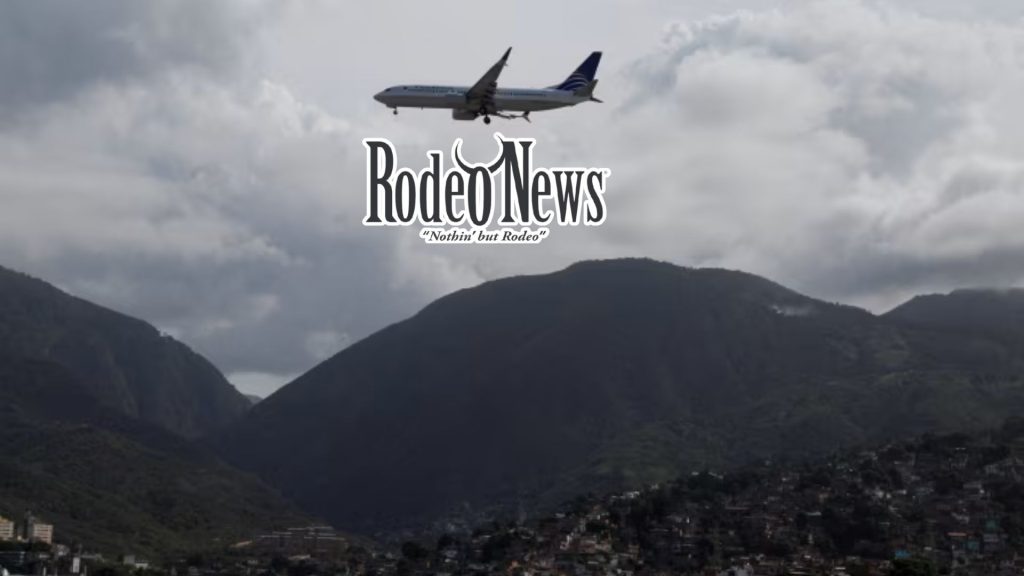
Once a hub of regular regional and international flights, Venezuela now depends on roughly 20 older commercial planes, mostly operated by local carriers, as major international airlines have suspended operations. The shift follows repeated warnings from U.S. authorities about heightened military activity and safety concerns in Venezuelan airspace, prompting foreign carriers to rethink routes and, in many cases, halt service altogether.
Airspace Restrictions Disrupt Connectivity
The Federal Aviation Administration (FAA) and other aviation regulators have repeatedly flagged volatile conditions over Venezuela, citing interference with navigation systems and increased military presence that could jeopardize civilian flights. These advisories have been widely interpreted by carriers as effective barriers to safe operations, even if formal legal bans are not always in place.
In late 2025, warnings from U.S. officials urging pilots to treat Venezuelan airspace as “closed” led several major airlines — including Iberia, TAP, Avianca and others — to suspend scheduled services. Venezuela has also taken reciprocal steps, revoking entry rights for some foreign carriers and tightening control over flights that remain.
A Fleet Left Behind
With foreign carriers largely absent, the burden of keeping flights going has fallen to a handful of Venezuelan and regional airlines such as Conviasa, Avior and Rutaca. These operators are using older aircraft, many of which have been in service for decades and are costly to maintain. Against a backdrop of economic pressure, spare parts shortages and limited access to international maintenance support, keeping these jets airworthy presents a significant operational challenge.
The limited fleet is often routed through neighboring countries like Panama to maintain regional connections, but these workarounds add travel time and expenses, pushing fares sharply higher and putting daily travel out of reach for many Venezuelans.
Stranded Passengers and Rising Costs
The impact on travelers is severe. Venezuelans abroad have reported difficulty finding flights home, while those inside the country face higher ticket prices and fewer direct connections. Cargo operations are also strained, complicating the delivery of essential goods, medical supplies and equipment. The holiday season — traditionally a peak travel period — has amplified frustrations as travelers confront fewer options and convoluted routing through other capitals.
Political and Safety Tensions
The aviation squeeze is part of a broader geopolitical standoff between the U.S. and the Maduro government. Caracas has accused Washington of using airspace pressure as part of a campaign to undermine the current administration, while the U.S. points to regional security and risks to civilian aviation. Incidents involving military aircraft — including U.S. jets operating near Venezuelan airspace — have fueled mutual distrust and complicated efforts to restore reliable civil aviation links.
What’s Next?
Efforts by Venezuelan carriers to reestablish some routes, such as recent flights between Barquisimeto and Panama City, indicate the sector’s resilience. However, without broader international engagement and clearer safety assurances, the country’s tenuous flight network is likely to remain limited for the foreseeable future.