U.S. Takes Strong Stance: Sanctions Russia’s Major Oil Firms as Ukraine Faces New Attacks
The Donald Trump administration has taken its most decisive step yet against Russia’s war effort in Ukraine, imposing sweeping sanctions on the country’s two largest oil firms, Rosneft and Lukoil. The move comes in the wake of deadly overnight attacks inside Ukraine that killed seven people, including two children, and follows the cancellation of a planned summit between Trump and Vladimir Putin.
The Washington Post
The Washington Post
A shift in strategy
According to the U.S. Department of the Treasury, Rosneft and Lukoil were targeted because of “President Putin’s lack of serious commitment to a peace process to end the war in Ukraine.”
The Washington Post
The sanctions freeze the companies’ access to the U.S. banking system and prohibit transactions in U.S. dollars for them and their subsidiaries.
The Washington Post
Foreign banks or institutions that do business with these firms may face “cascading” secondary penalties, and individuals may face criminal prosecution.
The Washington Post
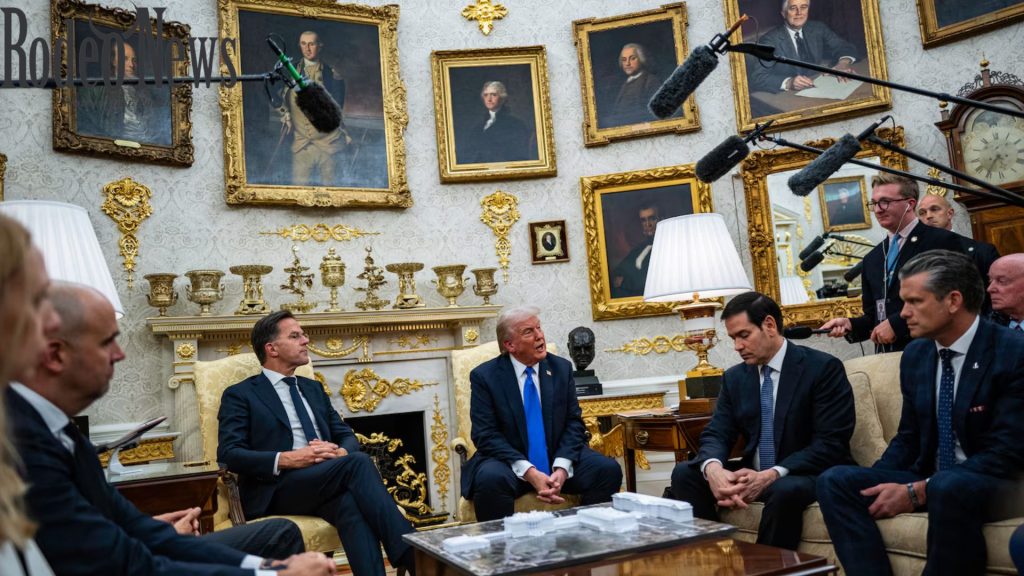
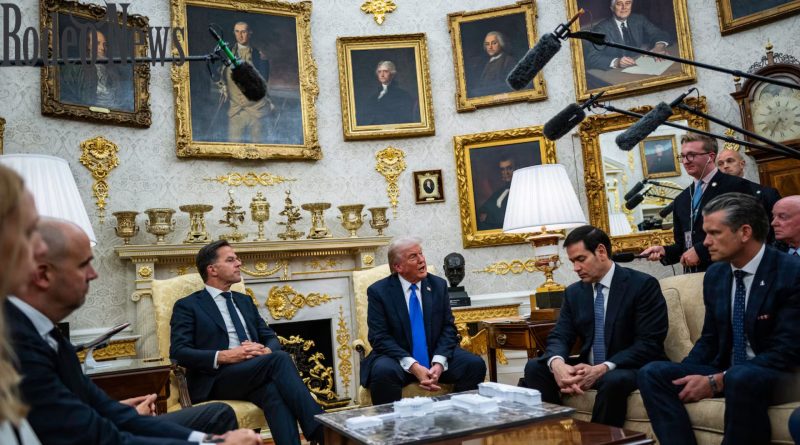
Trump himself described the measures as “very big,” during a meeting with Mark Rutte—Secretary General of the NATO—at the White House.
The Washington Post
This marks a notable policy shift: while the U.S. has sanctioned Russian energy and financial sectors in previous years, these latest measures are explicitly tied to the war in Ukraine and the Kremlin’s role in it.
The Washington Post
Context of escalating violence
The sanctions were announced just hours after a massive wave of attacks by Russia on Ukrainian cities — more than 400 drones and 28 missiles struck regions from Kyiv to Odesa and Zaporizhzhia. The power grid was hit hard, leaving many areas without electricity as colder weather approaches.
The Washington Post
The planned Trump-Putin meeting in Hungary next week was evidently called off after the latest escalation and a public shift in U.S. comments that the war remains far from any diplomatic resolution.
The Washington Post
What this means for diplomacy
Ukraine’s leadership welcomed the sanctions, with its allies describing the move as significant because it strikes at Russia’s oil-revenue lifeline.
The Washington Post
The European Union also announced that it would soon enact its own sanctions including, notably, a ban on Russian liquefied natural gas imports.
The Washington Post
On the Russian side, officials maintained the Kremlin’s position has not changed, suggesting that Moscow continues to demand structural shifts in Ukraine’s alignment and institutions as part of any peace deal.
The Washington Post
Analysts note a deepening gap between the U.S. and Russia over how to end the war: While Washington emphasizes pressuring Russia economically and militarily, Moscow demands far-reaching political concessions from Kyiv.
The Washington Post
Potential risks and consequences
For Russia:
Hitting the oil firms directly threatens the Kremlin’s key revenue stream that supports its war machine. But experts caution that Russia may still find buyers and shipping routes to circumvent the sanctions.
Kyiv Post
For Ukraine:
While the sanctions signal increased Western support, the immediate humanitarian situation remains dire: the strikes targeted civilians, including children, and damaged critical infrastructure. The war’s human cost continues to mount.
The Washington Post
For global energy markets:
Any disruption to Russian oil exports causes concern. Even though the West is moving away from Russian energy, Russia still finds alternative buyers and transport mechanisms. Monitoring global supply and price dynamics will be critical.
The Washington Post
For diplomacy:
The cancellation of the Trump-Putin meeting signals that any negotiated settlement remains distant. The hardened U.S. posture suggests that peace talks may only begin once Russia is willing to engage on Ukraine’s terms — not merely on Moscow’s.
What to watch next
Whether the EU and other allies follow the U.S. with comparable sanctions and how quickly.
How Russia responds: will it escalate further militarily or retaliate economically?
The impact of sanctions on Rosneft and Lukoil’s global operations — will they be forced to curtail exports or find new buyers at a discount?
Developments on the ground in Ukraine: whether the humanitarian toll worsens and how Kyiv adapts to continuing strikes.
Whether any renewed diplomatic initiative emerges. If not, the focus may well shift further toward a protracted stalemate and attritional warfare.