US Ends Deportation Protection for South Sudanese Nationals
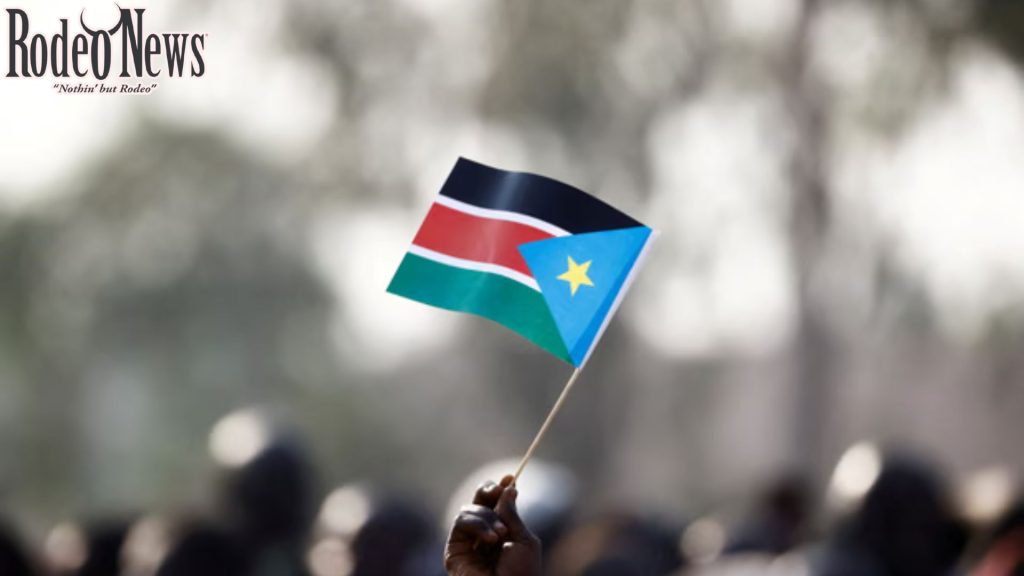
The U.S. Citizenship and Immigration Services (USCIS) has formally ended the designation of temporary protected status (TPS) for nationals of South Sudan, declaring that the country no longer meets the criteria of an ongoing armed conflict posing a serious threat to returning citizens.
What’s Changing
The TPS status for South Sudanese nationals, initially granted in 2011 under the administration of Barack Obama owing to the country’s armed conflict, has been terminated.Under the new rule, those who had TPS will receive 60 days to depart the United States or face possible deportation.
USCIS indicated that nationals who voluntarily depart using the proper reporting system may receive benefits such as a complimentary plane ticket, a US$1,000 “exit bonus,” and potential future opportunities for legal immigration.
Why the Change
According to the agency’s notice, the review found that South Sudan no longer meets the statutory requirement of “an ongoing armed conflict that poses a serious threat to the personal safety of returning nationals.” While the country has been emerging from its civil war which broke out in 2013 and killed more than 400,000 people, observers still warn of renewed instability.In 2018 a peace agreement ended major active fighting, yet political and ethnic tensions persist — with the Riek Machar’s arrest among recent signs of risk. The United Nations has expressed concern that power struggles and local grievances could re‑ignite large‑scale conflict.
Implications and Concerns
Critics argue that removing TPS protection may force individuals into unsafe return conditions. The decision follows similar moves by the US government to end protections for nationals of countries such as Cameroon, Haiti and Nepal. For the roughly 232 South Sudanese nationals granted TPS, the directive means having to arrange travel and re‑establish life in a country still grappling with deep fragility.
What It Means for Those Affected
For South Sudanese individuals in the US under TPS:
- They must decide whether to depart within 60 days or risk removal.
- Returning may mean facing uncertainties: displacement, potential violence, limited infrastructure.
- Some may pursue other legal immigration paths, but this key protection is now gone.
For US immigration policy watchers:
- The move signals a more restrictive stance on humanitarian protections under TPS.
- It raises questions about how country‑conditions are assessed and how returnees will be protected.
Looking Ahead
While USCIS states that South Sudan no longer meets the conditions for TPS, many analysts warn the country remains volatile. The possibility of renewed conflict means that the safety of returnees may not be guaranteed. Future developments in South Sudan’s political stability, humanitarian access, and reintegration support will be critical to watch