A Sharp Turn in Thailand–Cambodia Military Rhetoric
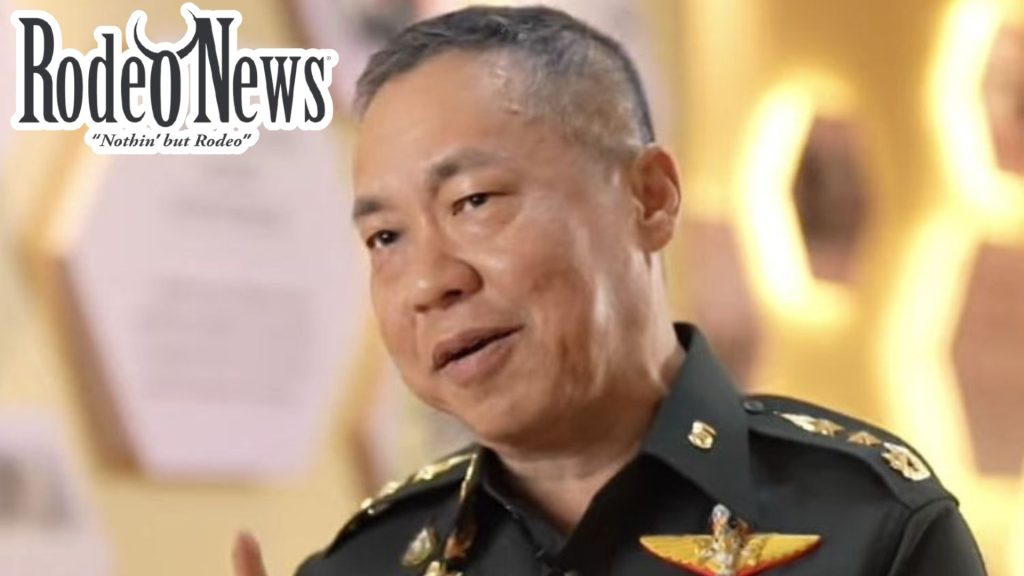
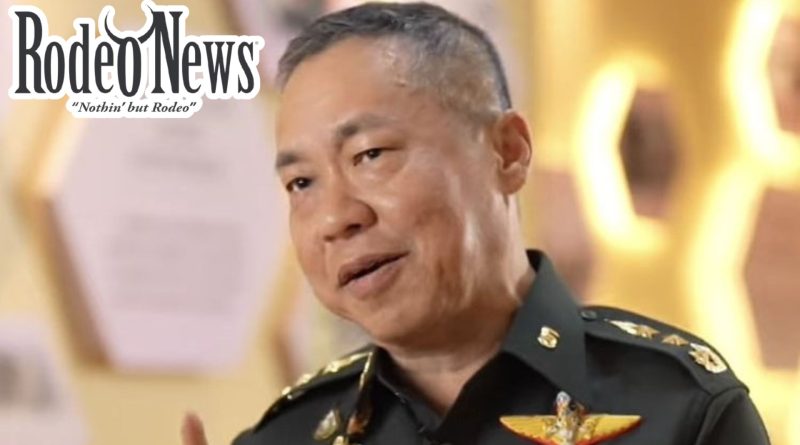
On 8 December 2025, Chaiyapruek Duangprapat, chief of staff of the Royal Thai Army (RTA), declared that the army’s objective is to “cripple Cambodia’s military capability … for a long time to come.” His stark language signals a dramatic shift in Thailand’s public posture toward its smaller neighbour — raising anxieties over a potential deepening of conflict on the border.
Chaiyapruek framed the move as protective: he said the action aimed to neutralize a perceived long-term threat to Thailand and to safeguard “the safety of our children and grandchildren.”
Context: Escalating Violence and a Fractured Ceasefire
The statement comes against a backdrop of renewed hostility between the two countries. Earlier in 2025, tensions flared when both sides exchanged fire over disputed border zones — most notably near contested historical-temple sites — after a July ceasefire collapsed.
In November, Thailand suspended its commitment to a US-backed joint peace agreement following a landmine explosion that wounded Thai soldiers — an incident Bangkok attributed to Cambodian forces. Since then, both countries have traded accusations and re-fortified their military presence along the border.
Days before Chaiyapruek’s remarks, clashes resumed — with both sides reporting casualties and mobilization of heavy weaponry, raising fears that the conflict could spiral further.
Implications for Regional Stability and Cambodia’s Response
Chaiyapruek’s statement, if acted upon, could mark a shift from border skirmishes to a broader strategy aimed at undermining Cambodia’s military posture over the long term — a development that threatens to destabilize the region. Analysts note that such declarations seldom lead to de-escalation once publicly aired.
Unsurprisingly, Cambodia has condemned the remarks. According to the Ministry of National Defence of Cambodia, the country remains committed to peaceful resolution and compliance with existing agreements — and called on international observers to hold Thailand accountable
What to Watch Next: Diplomatic Fallout, Border Security, and International Response
- Whether Thailand moves from rhetoric to concrete military operations or maintains the statement as a show of force.
- Cambodia’s diplomatic and military reaction — including possible international appeals or calls for third-party mediation.
- Impact on border communities: renewed evacuations, security restrictions, and humanitarian concerns.
- The role of regional organizations and foreign powers in de-escalating tensions or addressing violations of international law.
The situation remains fragile. Chaiyapruek’s words have ratcheted up the danger of open confrontation. Unless cooled by diplomacy or international intervention, the rhetoric risks turning border tensions into a long-term crisis.