Portland Braces as National Guard Deployment Sparks Legal and Political Clash
Portland Braces as National Guard Deployment Sparks Legal and Political Clash
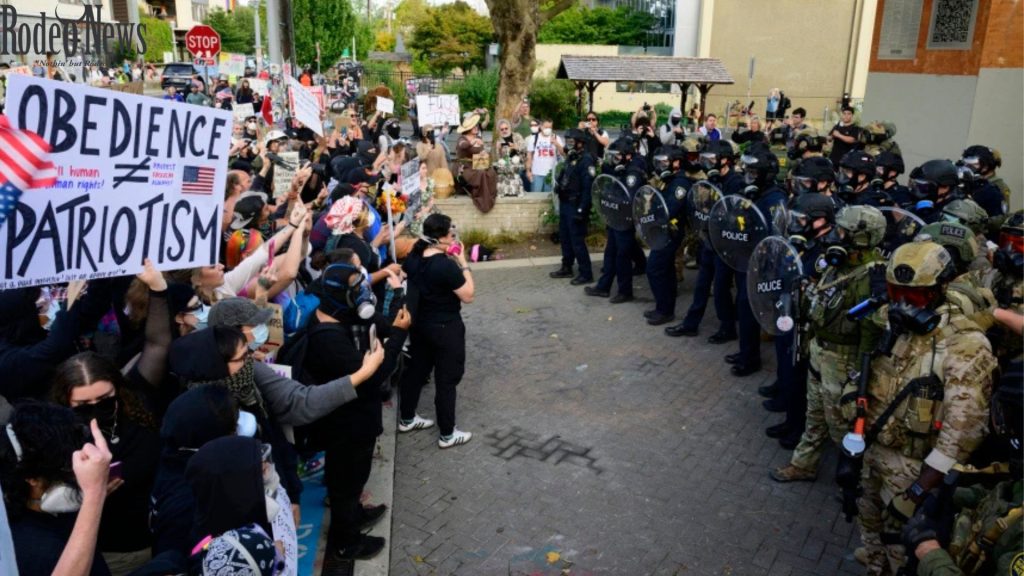
Portland, OR — Tensions are mounting in Portland as the Trump administration moves forward with plans to deploy 200 National Guard troops to the city, despite strong objections from state and municipal leaders.
A Fierce Disagreement from the Start
On September 27, President Trump announced that he had directed the Defense Department to send troops to “protect war-ravaged Portland” and nearby federal sites, including an Immigration and Customs Enforcement (ICE) facility, citing threats from Antifa and other groups. He added that he was “authorizing full force, if necessary.”
Local leaders immediately pushed back. Oregon Governor Tina Kotek and Portland Mayor Keith Wilson contended that there is no insurrection and that local law enforcement can manage the unrest.Portland Mayor Wilson rejected the narrative of chaos, arguing it overshadows the city’s progress.
Legal Battle in Motion
In response to the federal order, Oregon and the city of Portland filed a lawsuit seeking to block the deployment, arguing that it bypasses constitutional limits on federal interference in local governance. The suit names top officials including President Trump, the Defense Secretary, and the Homeland Security Secretary.
A federal judge, U.S. District Judge Karin Immergut, heard arguments recently and may issue a ruling by the weekend. The plaintiffs have asked for a temporary restraining order to halt the deployment.
What the Troops Would Do — and Where They’d Come From
According to state military officials, the troops being sent are drawn from Oregon’s National Guard units in Salem and Woodburn. At least 166 guard members have volunteered so far. The deployment is expected to cost federal taxpayers about $3.8 million.
Their assigned mission: protect federal personnel and property at locations where protests are occurring or likely to occur — specifically ICE facilities. The precise timing for when troops will be on the ground remains uncertain.
Police Chief Cautions Against Overreach
Portland Police Chief Bob Day has emphasized restraint. He asserted that the bureau will not assist immigration enforcement and stressed that incidents have so far been limited to a narrow area around the ICE facility. Chief Day also urged calm, saying violence would not be tolerated.
Day’s point: the unrest is centered on one city block, not the citywide crisis the administration portrays.
Political Pressure & Funding Threats
Beyond the legal fight, the White House is reportedly considering cutting federal funding to Oregon over what it sees as noncooperation on law enforcement and public safety. Elected officials across the state have come out against the deployment. Seventeen Oregon mayors signed a statement condemning the use of military force in a city that did not request it.
The entire conflict spotlights deeper debates about the limits of federal power, protest rights, and how to respond to civil unrest.
What Comes Next
• Court ruling: Judge Immergut’s decision will signal whether the deployment can legally proceed or be blocked.
• Troop arrival: If no restraining order is granted, National Guard troops may begin deployment soon — though exact dates remain tentative.
• Public reaction: Protest activity is expected to rise. Local and national groups on both sides are preparing to mobilize.
• Broader implications: Courts may have to weigh how far a president can deploy military force in domestic cities during protests.