
OnePlus 16: Shocking China-Only Launch Rumor
The OnePlus 16 is shaping up to be one of the most interesting Android flagships of 2026, but a new report has raised an even bigger question: where will fans actually be able to buy it? According to a recent PhoneArena report, the phone could potentially remain exclusive to China, meaning even markets such as India may miss out on the company’s next flagship.
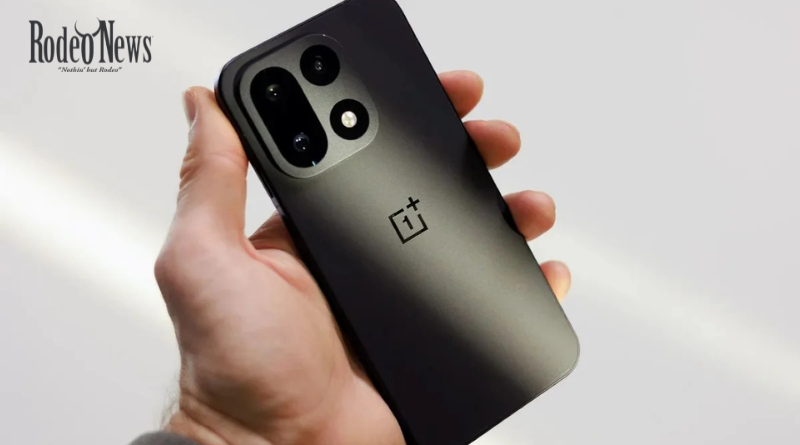
That possibility comes after OnePlus confirmed in July that it would end new product rollouts in Europe and North America. The company said existing devices would continue receiving software updates, security patches and after-sales support.
For OnePlus fans in the US and Europe, the company’s withdrawal was already a major change. However, the possibility of the OnePlus 16 becoming effectively a China-only phone would create another problem for international enthusiasts.
The issue is not simply availability.
It is also about software, Google services, network compatibility, importing, warranty support and the overall experience of using a China-market smartphone outside China.
OnePlus 16 availability is becoming the biggest story
OnePlus has officially confirmed that the OnePlus 16 exists and is preparing the phone for release. The company has also confirmed a 165Hz display, while reports indicate that the handset is being positioned heavily around gaming performance.
However, OnePlus has not announced a global launch for the phone.
That distinction is important.
The company has already stated that it is concluding product rollouts in Europe and North America. According to its official notice, existing customers will continue receiving software updates, security patches, warranty coverage and eligible repair services.
That means the OnePlus 16 is not expected to arrive through the traditional US and European retail channels.
The more surprising question is whether it will reach other international markets.
PhoneArena reports that recent rumors suggest the phone could remain in China rather than receiving the broader international distribution that OnePlus fans might have expected.
If that happens, the consequences could extend far beyond the US and EU.
Why the OnePlus 16 India situation matters
India is particularly important to the OnePlus story.
The country has been one of the brand’s most significant international markets, making the possibility of the OnePlus 16 staying in China especially notable.
PhoneArena’s report argues that an Indian-market OnePlus would be substantially more attractive to international buyers than a Chinese-market model because of the software environment and Google ecosystem.
That distinction matters for enthusiasts who are willing to import smartphones.
A China-market device may use a localized version of ColorOS with regional applications and services. International buyers can sometimes install or activate Google services, but the experience may not be identical to purchasing a phone designed for international users.
That can affect everything from notifications to application compatibility.
For someone buying a smartphone costing hundreds of dollars, those compromises can become significant.
OnePlus 16 could be a major hardware upgrade
The availability controversy is particularly frustrating because the OnePlus 16 is rumored to bring substantial hardware upgrades.
Recent reports point to a 9,000mAh battery, a major increase in battery capacity compared with many conventional flagship smartphones. The handset is also rumored to use Qualcomm’s next-generation Snapdragon 8 Elite Gen 6 Pro platform.
Camera specifications could also receive a major upgrade.
A recent Chinese report claims the phone may feature a 200MP main camera, alongside 50MP ultra-wide and 50MP periscope telephoto cameras. The same report says the phone could support 100W wired charging and 50W wireless charging. These specifications remain based on reports and certification information rather than a complete official specification sheet.
The display is one of the few areas where OnePlus has already confirmed a major feature.
The company has confirmed system-wide 165Hz refresh-rate support for the OnePlus 16. Recent reporting also suggests that the phone could reach even higher refresh rates in certain gaming scenarios.
Together, these features could make the OnePlus 16 particularly appealing to mobile gamers and power users.
But hardware is only part of the equation.
OnePlus 16 and the ColorOS question
Software could become one of the biggest challenges for international buyers.
The OnePlus 16 is expected to move further into the ColorOS ecosystem. Recent reports indicate that the Chinese model will run Android 17-based ColorOS 17.
For existing OnePlus users, that represents an important change.
OnePlus built much of its international identity around OxygenOS. Although OxygenOS and ColorOS have become increasingly related over the years, the branding and user experience remain important parts of the OnePlus identity.
OnePlus’ official announcement also addresses the future software situation for existing devices.
The company says eligible OnePlus phones can receive ColorOS following the release of ColorOS 17, while users will have the option to update voluntarily. It also says that users who move to ColorOS will have an option to roll back to OxygenOS, subject to the versions supported by the company.
For the OnePlus 16 itself, however, buyers in different markets could encounter different software configurations.
That makes the market in which a phone is purchased increasingly important.
Why a China-only OnePlus 16 would be difficult for importers
Importing smartphones has become increasingly common among technology enthusiasts.
People sometimes purchase phones from China, India, Japan or other markets because a particular model is unavailable locally.
The OnePlus 16 could attract exactly this kind of buyer if its hardware specifications live up to expectations.
However, importing a China-market flagship is not always as simple as ordering a phone online.
There are several potential complications.
Google services
One of the biggest considerations is Google Mobile Services.
International Android users commonly depend on Google Play, Gmail, Google Maps, Google Wallet and other Google services. A China-focused software build may handle those services differently from an international version.
Some users are comfortable installing additional software or modifying settings.
Others want everything to work immediately after turning the phone on.
Network compatibility
Network bands can also vary between regional models.
A phone designed primarily for China may support a different selection of cellular frequencies from versions intended for other countries.
That does not automatically mean an imported phone will fail to work.
However, buyers need to verify compatibility with their specific carrier before purchasing.
Warranty and repairs
Warranty coverage can become another issue.
A locally sold smartphone generally has a clearer support path. An imported device may require the buyer to return it to another country for certain repairs.
OnePlus has explicitly said that existing customers in Europe and North America will continue to receive applicable support and warranty service.
That guarantee does not automatically solve every potential support issue for someone importing a China-only OnePlus 16.
The OnePlus 16 could arrive at the wrong time for global fans
The timing makes the situation particularly interesting.
OnePlus spent years building an international reputation around the idea of offering high-end specifications at prices below some established flagship competitors.
The company became closely associated with the “flagship killer” concept, particularly among Android enthusiasts.
But its global strategy has now changed.
In July, OnePlus confirmed that it would no longer launch new products in Europe and North America. TechCrunch reported that the company’s US shipment share had fallen below 1% in 2025, while industry analysts pointed to weak demand and broader smartphone-market pressures.
That puts the OnePlus 16 in a very different position from earlier generations.
Instead of being a new flagship designed to expand OnePlus globally, the phone is emerging as a flagship for the company’s remaining core markets.
That could explain why China has become such an important part of the OnePlus 16 story.
What OnePlus has officially confirmed
It is important to separate confirmed information from rumors.
OnePlus has officially confirmed that it is ending new product rollouts in Europe and North America. It has also confirmed continued support for existing customers in those markets.
The company has officially confirmed the OnePlus 16 and its 165Hz display technology.
However, a China-only launch has not been officially confirmed by OnePlus based on the available information.
That remains an important distinction.
Recent reporting and leaks suggest the phone may have a China-focused launch, and some reports now question whether it will reach any international market.
But until OnePlus announces its distribution plans, the final international availability remains uncertain.
OnePlus 16 release date remains unconfirmed
The release timing is another piece of the puzzle.
Earlier reports have pointed toward an October launch in China, but OnePlus has not publicly provided a definitive launch date in the information currently available.
The phone has already begun appearing in certification-related reports in China.
A September 18 report from IT Home says a device identified as the OnePlus 16 has passed China’s 3C certification and supports 100W wired charging. The report also cites a 9,000mAh battery and other specifications from leaks.
Certification is another indication that the device is moving toward release, although it does not establish a global launch.
What this means for OnePlus fans
For existing OnePlus owners in the US and Europe, the immediate situation is different from the future product situation.
OnePlus says current devices will continue receiving software updates and security patches, while applicable warranties and repair services remain available.
The bigger question concerns what comes next.
Consumers who specifically want the OnePlus 16 may have to consider importing the device if it is not officially sold in their country.
That could mean accepting differences in software, network support, warranty arrangements and regional features.
For some enthusiasts, the rumored hardware may make those compromises worth considering.
For others, the additional complexity could make a locally supported smartphone more attractive.
There is no single answer because the trade-offs depend heavily on the buyer’s country, carrier, software requirements and willingness to import.
The bigger story behind the OnePlus 16
The OnePlus 16 is therefore about more than a new processor, camera or battery.
It represents a significant change in the company’s global smartphone strategy.
The company that once aggressively pursued international expansion is now concentrating its new product activity more heavily on selected markets.
At the same time, the upcoming flagship appears to be pushing hardware in several interesting directions.
A 9,000mAh battery, 165Hz display, powerful next-generation Snapdragon processor and potentially upgraded camera system would give the OnePlus 16 plenty of attention among enthusiasts.
But for millions of potential customers outside China, the most important specification may ultimately be something that cannot be measured in megapixels or milliamp-hours:
availability.
If the latest rumors are correct and the OnePlus 16 remains limited to China, international OnePlus fans could face a very different buying decision than they did with previous generations.
For now, however, the China-only scenario should still be treated as a developing report rather than a confirmed final distribution plan.
OnePlus has confirmed the phone is coming.
It has confirmed major display technology.
It has confirmed the end of new product rollouts in North America and Europe.
The remaining question is how far beyond China the OnePlus 16 will actually travel.
And that answer could determine whether this becomes a highly anticipated flagship for a broad enthusiast community—or a powerful phone that many of its longtime fans can only admire from a distance.