Iran Sanctions: US Targets Another Bank This Week
The United States is preparing to expand its Iran sanctions campaign, with Treasury Secretary Scott Bessent saying the Trump administration plans to impose sanctions on another bank this week. The move is part of a broader effort to cut Iran off from international financial networks and pressure countries that continue doing business with Tehran.
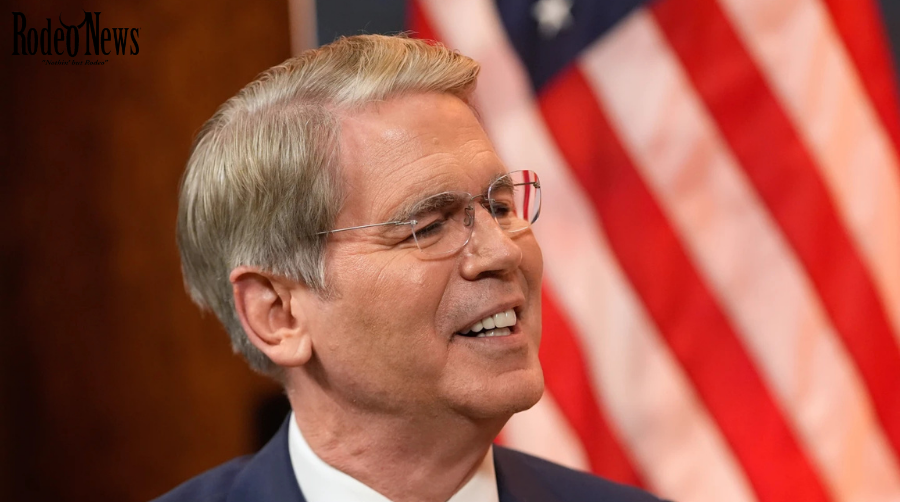
Bessent disclosed the planned action in an interview with The Associated Press on Sunday, ahead of Group of 20 meetings in Asheville, North Carolina. He did not identify the bank that will be targeted.
The announcement comes as Washington increasingly emphasizes economic pressure against Iran after months of military conflict. The administration has described its new approach as an effort to isolate Iran financially and force countries and institutions to reconsider their economic relationships with the Islamic Republic.
Iran Sanctions Enter a More Aggressive Phase
The latest announcement indicates that Iran sanctions could become more frequent and increasingly focused on financial institutions.
Bessent said the United States intends to demonstrate that banks and other companies facilitating Iranian transactions can be identified and punished. He used unusually forceful language when describing the strategy, saying Washington was prepared to use financial pressure if necessary.
The Treasury secretary’s comments suggest that the administration wants financial institutions around the world to view transactions involving Iran as increasingly risky.
The strategy is significant because access to the U.S.-dominated financial system remains a powerful source of leverage. Banks that lose access to the American financial system can face major difficulties conducting international transactions, particularly those involving U.S. dollars.
That makes secondary sanctions an important tool for Washington. Rather than targeting only Iranian institutions, the United States can also pressure foreign companies and banks that maintain commercial relationships with Tehran.
US Has Not Named the Next Bank
Although Bessent confirmed that another bank will face sanctions, he did not reveal its identity.
That leaves uncertainty for financial institutions and businesses involved in Iran-related transactions. The lack of a public name also means banks operating in countries with commercial links to Iran will be watching the Treasury Department closely for further announcements.
The coming action follows the administration’s recent effort involving Banque Misr, Egypt’s second-largest bank.
The Treasury Department proposed a rule that would cut the United Arab Emirates branches of Banque Misr from access to the U.S. financial system if finalized. The proposal was described as part of the administration’s broader campaign to disrupt financial channels connected to Iran.
The decision is important because it demonstrates how Washington can target financial infrastructure outside Iran itself.
Why Banking Is Central to Iran Sanctions
Banks play a crucial role in international trade.
Companies that import or export goods typically rely on financial institutions to transfer money, process payments and provide other services. Restricting those services can make legitimate-looking commercial transactions far more difficult.
For Iran, the challenge is particularly significant because the country has already faced years of U.S. sanctions.
The latest campaign therefore represents an attempt to tighten existing pressure rather than create an entirely new sanctions framework.
Washington wants foreign financial institutions to conclude that doing business with Iran could threaten their own access to the U.S. financial system.
That calculation can be powerful.
A bank may decide that maintaining a relatively small Iranian business relationship is not worth risking access to the much larger American and international financial markets.
China Creates a Major Challenge for the US
One of the biggest questions surrounding the new Iran sanctions campaign is how far Washington is prepared to go against China.
China is Iran’s largest trading partner and a major buyer of Iranian oil. That makes Beijing central to any effort to substantially restrict Iran’s access to international revenue.
Bessent said he plans to meet Chinese counterparts during the G20 meetings and indicated that Washington could consider sanctions related to China’s continued purchases from Iran.
He also rejected suggestions that the Trump administration is reluctant to confront Beijing.
According to Bessent, the idea that Washington is unwilling to challenge China over Iran represents a false narrative. He argued that the United States and China share some interests, including reopening the Strait of Hormuz and preventing Iran from developing a nuclear weapon.
However, imposing severe sanctions on major Chinese financial institutions or companies could have consequences well beyond Iran.
China is one of the world’s largest economies, and its financial and trade relationships with the United States are extensive. A major sanctions confrontation could therefore create additional economic uncertainty at a time when Washington and Beijing are already dealing with trade disputes and other geopolitical tensions.
G20 Meetings Put Bessent in the Spotlight
Bessent’s comments came shortly before G20 finance meetings in Asheville.
The gathering gives the Treasury secretary an opportunity to encourage other major economies to support Washington’s strategy toward Iran.
The administration wants countries that continue trading with Tehran to reconsider those relationships. Bessent’s message is effectively that financial institutions and governments may have to choose between maintaining certain economic ties with Iran and preserving access to the U.S. financial system.
That could create difficult choices for countries that have significant commercial relationships with Tehran.
Some governments may cooperate with Washington. Others could resist, particularly if they believe U.S. secondary sanctions interfere with their independent foreign or economic policies.
The G20 therefore provides an important diplomatic test for the administration’s strategy.
Iran Faces Pressure From Multiple Directions
The latest financial measures come as Iran continues to face pressure from military, economic and diplomatic developments.
The United States and Iran have been involved in a prolonged conflict, and tensions increased again Sunday when U.S. forces struck Iranian rocket launchers near the Strait of Hormuz.
The strike ended a period of relative military calm in the area. Iran vowed to retaliate for what it described as a deadly attack.
The Strait of Hormuz is especially important to global energy markets because it is a critical route for oil shipments.
Any prolonged disruption could affect energy prices and create additional inflationary pressure for economies around the world.
That makes the economic consequences of the Iran conflict larger than the U.S.-Iran relationship alone.
Washington Wants Economic Pressure to Complement Military Strategy
The administration’s emphasis on Iran sanctions also reflects a broader shift in how Washington is approaching the conflict.
The Trump administration has signaled that economic pressure will play a greater role after months of military confrontation.
Officials have referred to an “economic D-Day” strategy designed to isolate Iran from global financial and commercial networks.
The objective is to increase the cost of doing business with Tehran without necessarily relying exclusively on direct military action.
Sanctions can be applied gradually, allowing the Treasury Department to target specific banks, companies, shipping networks and other organizations.
This approach can also provide Washington with additional leverage during negotiations.
However, sanctions are not guaranteed to produce immediate political results.
Iran has already spent decades adapting to restrictions imposed by the United States and other countries. Businesses have developed alternative trading arrangements, while the government has sought relationships with countries willing to continue buying Iranian commodities.
That means the effectiveness of the latest campaign will depend partly on whether major trading partners cooperate.
India and Other Trading Partners Face Difficult Choices
China is not the only country that could face pressure.
India and other countries also maintain economic relationships with Iran, creating another challenge for Washington.
The more countries that continue trading with Tehran, the harder it becomes to completely isolate the Iranian economy.
At the same time, aggressively sanctioning major partners could damage American relationships with countries that Washington needs for other strategic priorities.
This creates a delicate balance.
The United States wants to maximize pressure on Iran while avoiding a broader economic confrontation that could hurt American businesses, raise energy costs or weaken diplomatic cooperation.
The coming weeks could show how aggressively the administration is willing to use secondary sanctions.
Treasury Also Faces Questions Over US Debt
Iran sanctions were not the only major issue discussed during Bessent’s AP interview.
The Treasury secretary is also facing scrutiny over the U.S. government’s debt and an unusual bond-buyback program.
U.S. government debt has surpassed $40 trillion, increasing attention on borrowing costs and the long-term fiscal outlook.
Bessent defended the administration’s approach and said he is working with Office of Management and Budget Director Russ Vought on a fiscal package intended to reduce the country’s debt and deficit.
He said the package would be revealed in the coming weeks.
Bessent also defended the Treasury’s recent bond-market actions after criticism from investor Stan Druckenmiller, a former boss of Bessent.
The dispute highlights the competing challenges facing the Treasury Department.
While Bessent is attempting to use the financial system as a tool of foreign policy, he is simultaneously responsible for managing America’s debt, borrowing costs and broader economic conditions.
Why the New Iran Sanctions Matter
The planned banking sanctions could become an important test of the administration’s economic strategy.
If banks and businesses respond by reducing their dealings with Iran, Washington could gradually make it more difficult for Tehran to access foreign currency and international financial services.
However, the results will depend heavily on cooperation from countries outside the United States.
The biggest question is China.
If Beijing continues purchasing Iranian oil and supporting commercial links with Tehran, Iran may retain an important source of revenue despite additional U.S. sanctions.
The United States could respond with tougher secondary sanctions, but doing so would risk creating another major confrontation between Washington and Beijing.
Meanwhile, countries such as India will also have to weigh their economic interests against the possibility of U.S. penalties.
What Comes Next for Iran Sanctions?
The next major development could come when the Treasury Department identifies the bank targeted by the new sanctions.
That announcement should provide more information about the administration’s priorities and the types of Iranian transactions Washington is seeking to disrupt.
The G20 meetings could also reveal how much international support the United States can secure.
Bessent’s message is clear: Washington wants foreign financial institutions to distance themselves from Iran or face consequences.
The unanswered question is how many governments are willing to follow that approach.
For Iran, the latest move represents another layer of economic pressure after years of sanctions and ongoing conflict. For global markets, the consequences could extend beyond Iran if restrictions affect oil flows, banking networks or relations between the United States and major economies.
The coming weeks will therefore be critical.
If Washington follows through with repeated banking sanctions, the campaign could become one of the most significant attempts in years to isolate Iran financially. But if major trading partners continue supporting Tehran, the United States may face a difficult choice between escalating sanctions further or accepting that Iran cannot be completely cut off from the global economy.
For now, Bessent’s announcement signals that the administration intends to keep pushing.
The next bank targeted by the Treasury Department could provide the clearest indication yet of how far Washington is prepared to go.
Recommended Internal Links
Add 2–3 relevant links from your website, such as:
- Latest U.S. sanctions news
- Donald Trump administration news
- Iran war and Middle East coverage
- Global economy and financial markets
Recommended External Links
- Associated Press — original reporting on the planned bank sanctions.
- Reuters — reporting on Bessent’s broader plans for recurring secondary sanctions against Iran.
- Associated Press — background on the administration’s economic pressure campaign against Iran.