Grounded by Red Ink: The Hidden Chokepoint in U.S. Air Force Readiness
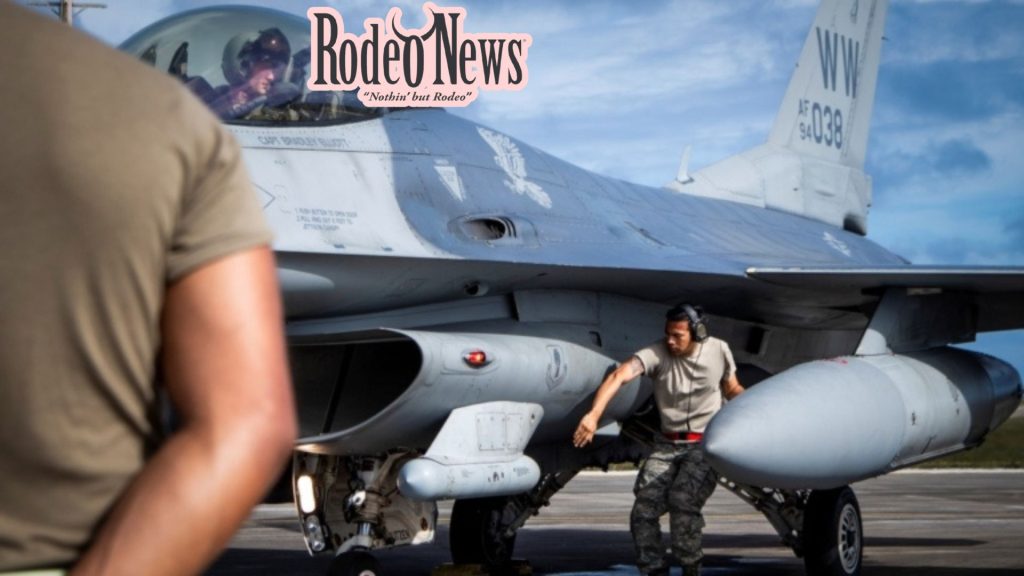
At dawn on a remote Pacific flight line, a seemingly ready fighter jet halted — not because of lack of pilots, training, or imminent threat — but because a tiny crack, barely visible to the naked eye, triggered a fatal “red-ink” verdict. A maintainer judged the jet safe enough; an engineer, legally accountable and thousands of miles from the runway, saw only a specification violation. The result: the jet stayed grounded.
This incident illustrates a critical and little-discussed chokepoint in United States Air Force (USAF) readiness: a culture where engineering risk-aversion, driven by liability and strict technical banking, overrides operational needs. What’s at stake is not a debate over maintenance procedures — but the ability of the Air Force to generate combat power when it matters most.
✅ What’s Driving the Crisis
- Single-voice engineering authority: For each aircraft program, a sole “chief engineer” must approve every technical decision. Their extensive qualification and legal accountability incentivize extreme caution — delaying or denying waivers that on the ground seem reasonable.
- Historic low readiness levels: The USAF now fields its smallest fleet ever — projected under 5,000 aircraft — and only ~62% are mission-capable on an average day. That leaves nearly 1,900 airframes unable to fly their designed missions at any moment.
- Aging airframes, slow modernization: The average Air Force aircraft is now ~32 years old — roughly double the average age at the end of the Cold War Meanwhile, delivery of next-generation platforms remains plagued by delays, especially in software-heavy systems.
- Fragile sustainment & brittle supply chains: Legacy jets have exceeded their original design lives. For instance, many F-16 Fighting Falcon fleets got a structural life-extension — but each repair kit or part substitution depends on timely deliveries. Missed parts or unapproved workarounds can halt whole squadrons.
🛑 Why It Matters: Readiness Over Rigidity
Readiness isn’t just about having planes — it’s about having planes that can fly when required. Under current practices, technical compliance frequently trumps operational availability. What should be a matter of “acceptable risk vs. mission need” instead becomes a binary compliance check.
In a world where near-peer competition — especially with a rapidly modernizing People’s Liberation Army Air Force (PLAAF) — looms, this gap between engineering rigidity and operational exigency could prove disastrous.
🔧 Toward a Balanced Fix: From Engineers as Gatekeepers to Advisors
The article’s core recommendation: shift the role of engineers from absolute decision-makers to technical advisors, who quantify risk, outline potential failure probabilities, and leave the final go/no-go decision to commanders responsible for mission success. That way, airworthiness standards remain honored — but operational readiness gets rightful weight.
This does not excuse compromising safety. Instead, it recognizes that a rigid “no waivers” culture may be more harmful — leaving a fleet grounded, aircraft unusable, and national security compromised. A carefully designed shift toward “calculated risk” could preserve both airworthiness and readiness.
Simultaneously, long-term reforms remain essential: accelerating procurement of new platforms, repairing brittle supply chains, and modernizing sustainment practices. But these take years — while the readiness crisis is here and now.
⚠️ The Strategic Cost of Inaction
If the USAF continues on its current trajectory:
- Potential adversaries modernizing more rapidly may gain a decisive edge.
- Legacy airframes may become effectively non-operational, not because they’re broken — but because bureaucratic risk aversion keeps them grounded.
- In a future high-stakes conflict, the U.S. might find its airpower backbone grounded by paperwork, not enemy fire.
Ensuring “airworthiness, yes — but readiness, also.” That balance rests on changing culture, authority lines, and decision-making frameworks within the Air Force