New Brilliant Red Ladybird Spider Eresus rubrocephalus Discovered in Morocco
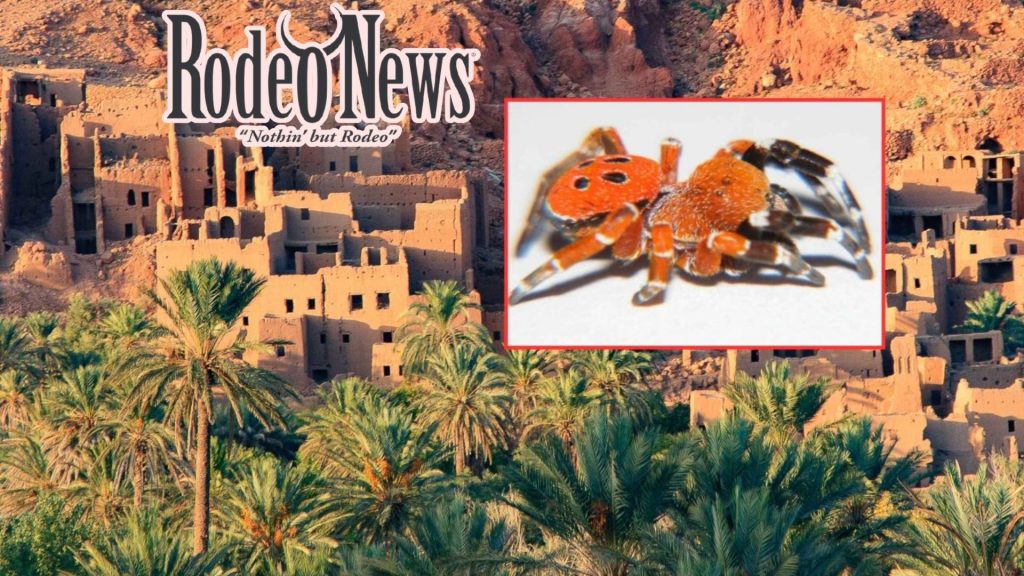
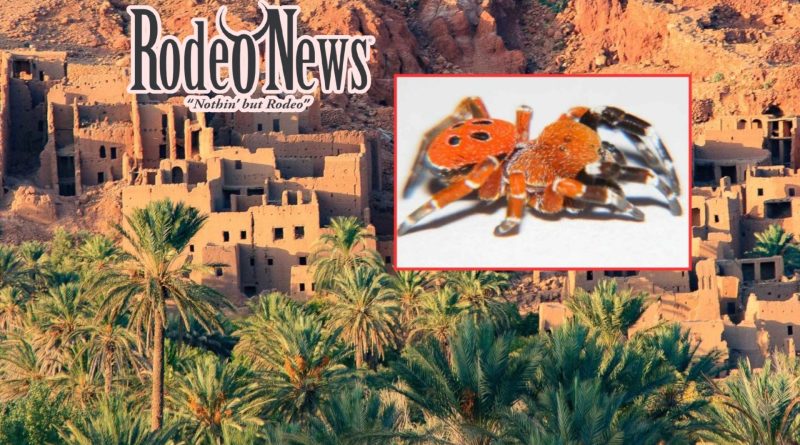
Scientists have formally described a new species of ladybird spider from northern Morocco, adding to the rich tapestry of North African biodiversity. The bright red arachnid, named Eresus rubrocephalus, is distinctive in both appearance and anatomy — and its discovery highlights the ongoing need to document lesser-known wildlife across diverse habitats.
A Stunning Find Near Rabat
The discovery began when researchers collected two male spiders during fieldwork in a cork oak grove near Sidi Allal El Bahraoui, close to Rabat. The males stood out immediately: unlike typical ladybird spiders, which often show contrasting color patterns, these specimens had carmine-red hairs covering both head and abdomen.
The research was led by János Gál, an associate professor at the University of Veterinary Medicine Budapest, who has long studied wildlife diversity, including regional spiders.
How Scientists Confirmed a New Species
Color alone can be misleading in taxonomy, so scientists examined microscopic physical traits and DNA to confirm that this spider belonged to a previously undescribed species.
- Male palpal anatomy: The male’s reproductive appendage exhibited unique features — especially a U-shaped groove and a sharply curved terminal tooth — that set it apart from closely related species.
- DNA barcoding: Researchers sequenced a standard mitochondrial gene (COI) and found it differed by at least 8 % from known Eresidae sequences, reinforcing its distinct identity.
The species was officially named Eresus rubrocephalus — the name combining the Latin ruber (red) and Greek kephalē (head) in recognition of its bold coloration.
Why This Matters
Formal naming matters beyond academic interest. A clear scientific identity allows this species to be referenced in conservation planning, legal frameworks, and future ecological studies. Currently, only the males are known, and the female of the species remains undescribed.
This discovery also hints that northern Morocco may be a hotspot for Eresus diversity, supporting several related species and underlining the importance of further research in the region