Trump Announces China’s Commitment to Boost US Purchases
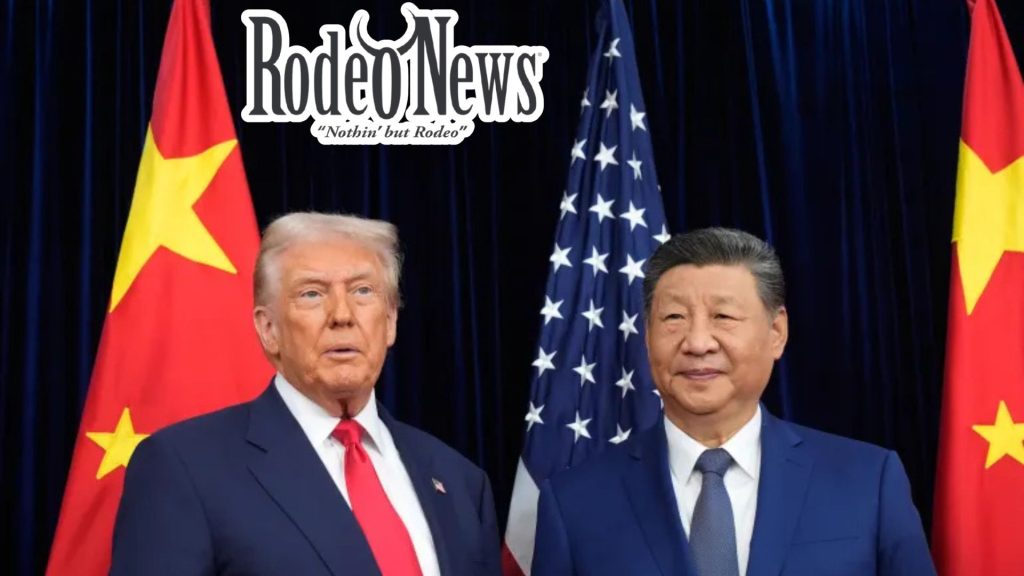
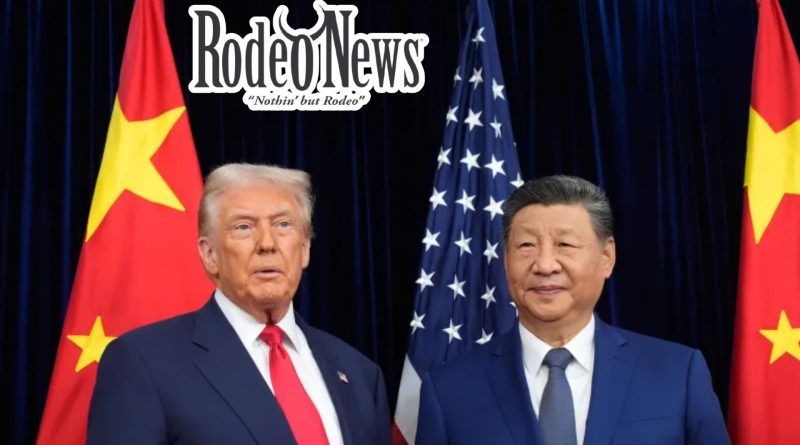
US President Donald Trump said on November 25 that Chinese President Xi Jinping had “more or less agreed” during a phone call to accelerate and expand China’s purchases of US goods. According to Trump — speaking aboard Air Force One — he asked Xi to “buy a little faster” and “buy more,” and received an affirmative, if somewhat tentative, response.
The call comes a day after Beijing characterized the conversation as “positive, friendly and constructive,” with the Chinese Foreign Ministry emphasizing that regular communication between the two leaders is essential for stable US–China relations.
Background: Trade Détente and Agricultural Purchases
The announcement builds on recent signs that China is restarting its US trade commitments — notably resuming purchases of US soybeans and lifting expanded curbs on rare‑earth exports to the United States.
Despite earlier pledges, Beijing’s purchases had lagged significantly: data from the United States Department of Agriculture (USDA) show that China had ordered just about 2 million metric tonnes of US soybeans — far below the target of 12 million metric tonnes announced by the US administration.
That underwhelming pace may explain why Trump pressed Xi to speed things up.
Significance — and What’s Still Uncertain
If China follows through, greater demand for US agricultural products and other goods could ease pressure on US exporters — especially farmers — and reduce some trade tensions. The renewed engagement could signal a partial thaw in a relationship that has been strained by tariffs, rare‑earth export controls, and geopolitical rivalry.
However, the language used — “more or less agreed” — suggests the commitment remains tentative and informal. So far, there is no public commitment from Beijing to concrete timelines or volumes beyond past pledges.
Moreover, while agricultural trade appears at the center of renewed cooperation, wider issues remain unresolved: export controls, tariffs on other categories, and geopolitical flashpoints (like Taiwan) continue to loom.
What Happens Next
- Markets and US exporters — especially in agriculture — will be watching whether Chinese purchases actually accelerate in the coming months.
- Observers will monitor if Beijing issues formal commitments (e.g., official orders, contract volumes), which would indicate a stronger, more binding agreement.
- Wider trade negotiations may resume, potentially covering rare‑earths, tech exports, tariffs, and other economic cooperation beyond agriculture.
At this stage, the gesture appears diplomatic and tentative — but could pave the way for deeper thawing in US–China trade relations