Afghan Border Operation Kills Dozens of Pakistani Soldiers Amid Escalating Tensions
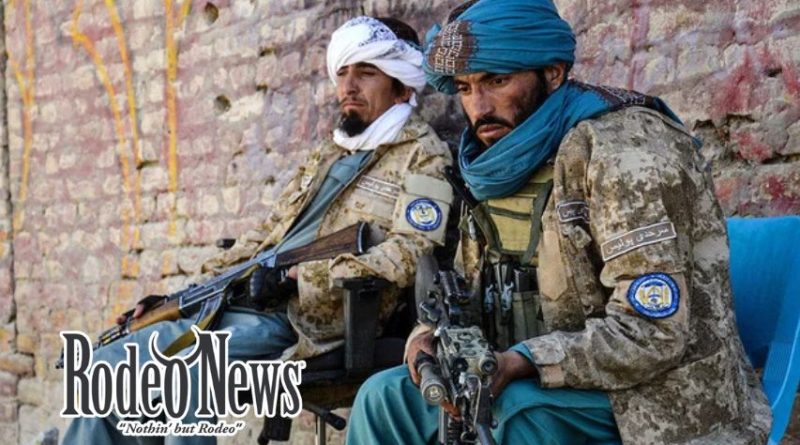
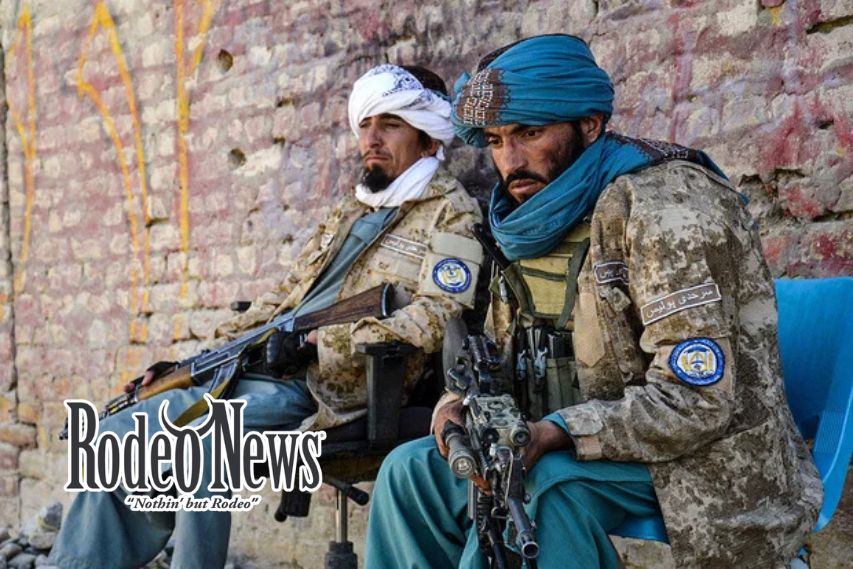
KABUL/ISLAMABAD — Afghanistan’s Taliban-led government announced Sunday that its forces killed at least 58 Pakistani soldiers during overnight military operations along the border, marking a dangerous escalation in an already fragile relationship between the two neighbors.
The statement came amid mounting accusations from Kabul that Pakistan had repeatedly violated Afghan territory and airspace. In contrast, the Pakistani military confirmed a significantly lower death toll, reporting 23 casualties, and vowed strong retaliation.
A Retaliatory Strike Over “Repeated Violations”
The operations, described by Afghan authorities as “retaliatory and successful,” reportedly targeted Pakistani military posts along contested sections of the Durand Line, a disputed 2,611-kilometer (1,622-mile) border never officially recognized by Kabul.
In a televised briefing, Taliban spokesperson Zabihullah Mujahid said Afghan forces had captured 25 Pakistani army outposts, leaving 30 Pakistani soldiers wounded. He claimed the Taliban now held full control over the affected border areas.
“The situation on all official borders and de facto lines of Afghanistan is under complete control,” said Mujahid. “Illegal activities have been largely prevented.”
Pakistan, which has previously conducted cross-border strikes inside Afghanistan, did not directly acknowledge any such violation in the lead-up to the clash. However, tensions had flared earlier in the week after Kabul accused Islamabad of bombing parts of eastern Afghanistan, including the capital, Kabul, and a local market — a charge Pakistan has not publicly confirmed.
Crossings Shut, Jets Overhead
In the wake of the overnight assault, both major border crossings between the two countries — Torkham and Chaman — remained closed on Sunday, affecting trade and stranding civilians, including Afghan refugees attempting to return home.
An Associated Press journalist stationed in Chaman, southwest Pakistan, reported hearing jets flying over Spin Boldak in Kandahar province, with smoke visible following what appeared to be an explosion.
Regional Concerns Grow
The renewed violence has drawn concern from international actors. Saudi Arabia and Qatar issued joint calls for restraint and dialogue, with Riyadh urging both sides to “avoid escalation” and seek a peaceful solution.
Tensions in the region are already heightened by Pakistan’s claims that Tehreek-i-Taliban Pakistan (TTP) militants are being harbored by the Taliban government — an allegation Kabul firmly denies.
“We don’t allow our territory to be used against any country,” said Afghan Foreign Minister Amir Khan Muttaqi, speaking from India, where he is currently on an official visit.
Muttaqi acknowledged the Gulf powers’ appeals for calm but warned that Afghanistan reserved the right to defend itself.
“We want a peaceful resolution of the situation, but if the peace efforts don’t succeed, we have other options,” he told reporters in New Delhi.
🇵🇰 Islamabad Vows Strong Response
Pakistani Prime Minister Shehbaz Sharif condemned the border assault and claimed that Pakistani forces had delivered a “befitting reply,” allegedly destroying several Taliban posts and forcing Afghan troops to retreat.
Pakistan’s military released videos purportedly showing destroyed Taliban checkpoints, but the footage has not been independently verified due to lack of media access in the region.
Security officials in Islamabad claimed that over 200 Taliban militants and affiliated fighters were killed or injured in retaliatory fire. The military also claimed to have seized 19 Afghan posts in the Khyber Pakhtunkhwa region after heavy shelling.
One Pakistani official, speaking anonymously to The Associated Press, described visible fires and “significant destruction” at the Afghan posts, alleging that many Taliban fighters had been “either killed or fled.”
A Fragile Border, A Volatile Region
Clashes along the Durand Line have been a recurring flashpoint between the two countries, especially since the Taliban’s return to power in August 2021. While the border has never been internationally disputed, Afghanistan’s refusal to formally recognize it has left room for confrontation.
The situation is further complicated by India’s increasing engagement with the Taliban, including plans to upgrade its Kabul mission to a full embassy — a move that has not gone unnoticed by Pakistan.
With regional alliances shifting and diplomatic channels narrowing, the latest skirmishes risk plunging South Asia into broader instability, especially as Islamabad grapples with rising militancy at home and strained ties with its neighbors.