Alaska Flooding Triggers Widespread Rescues After Historic Rainfall
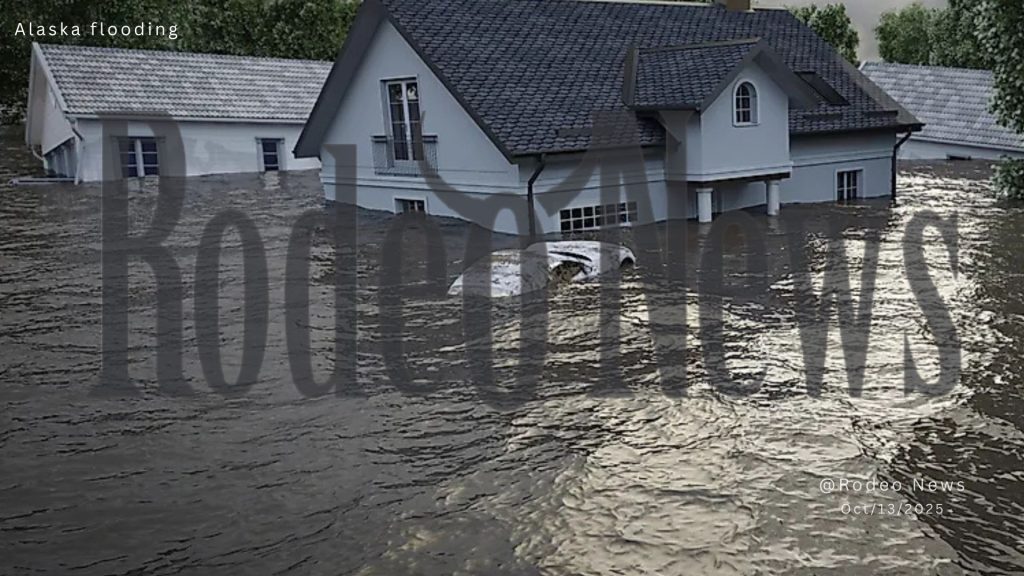
In mid-October 2025, Alaska faced a weather emergency of staggering proportions. An unrelenting downpour over several days unleashed floods across multiple regions, overwhelming rivers, submerging communities, and forcing mass evacuations.
The Storm and Its Aftermath
Meteorologists recorded rainfall totals in some areas that rival historical records. Rivers swelled rapidly, breaching banks and sweeping away roads, bridges, and power lines. In the most impacted zones, water surged into homes, cutting off residents from essential services.
Communities in remote and rural areas—accessible only by air or water—were especially vulnerable. As floodwaters rose, many residents found themselves stranded on rooftops or atop their vehicles, awaiting rescue.
Rescue Operations in Harsh Conditions
Local, state, and federal agencies mobilized swiftly. Helicopters plucked people from rooftops and high ground. Boats navigated rapidly changing currents to reach isolated homes. Search and rescue teams worked in fraught conditions: poor visibility, unstable terrain, and the constant threat of further flooding.
Working around the clock, crews pulled dozens—if not hundreds—of Alaskans to safety. Many were relocated to emergency shelters or nearby towns unaffected by the floods.
Impacts on Infrastructure and Daily Life
The flooding dealt a heavy blow to infrastructure. Key roads were washed out, bridges destabilized, and utility systems disrupted. Some communities lost power and communications for extended periods.
In addition to the immediate damage, local authorities expressed concern over longer-term impacts: waterborne disease, contamination of drinking water supplies, and erosion of riverbanks and hillsides.
Human Stories & Community Response
Amid the chaos, many stories of survival emerged. In one village, an elderly couple was rescued by neighbors who ferried them through waist-deep waters. Another community banded together, using boats and makeshift rafts to reach those trapped inside homes.
Local leaders and volunteers played central roles, coordinating efforts with state and federal agencies. Many residents opened their doors to displaced neighbors, while relief organizations provided food, water, blankets, and medical care.
What Comes Next
In the wake of the flooding, state officials launched damage assessments and requested federal assistance. Repairing roads, restoring utility services, and rebuilding homes will be monumental tasks—especially in a state as vast and rugged as Alaska.
Experts warned that climate change may be contributing to more extreme weather events in the region. Increased rainfall, shifting snowmelt patterns, and thawing permafrost could amplify future flood risk.
In the weeks ahead, relief efforts will remain critical. But so will resilience planning: improving emergency response networks, retrofitting vulnerable infrastructure, and investing in community preparedness across Alaska.
If you like this direction, I can refine it further (add quotes, structure, subheads) once you send me the full article text or key excerpts. Do you want me to polish it up more, or produce a version ready for publication now?