New Weapons and Missile Escalations in the U.S.–Iran War: Operation Epic Fury Advances
In the fifth day of a rapidly expanding conflict between the United States, its regional allies and Iran, the focus has shifted to the advanced weapons and missile systems animating the battlefield. What began late last week as a coordinated assault — dubbed Operation Epic Fury — has quickly underscored both the technological footprint and logistical strain of modern warfare.
U.S. and Israeli forces launched the operation on February 28, 2026, striking targets across Iranian territory with a combination of aircraft, long-range missiles and drones in what officials described as an effort to degrade Tehran’s military capabilities and blunt perceived threats to U.S. interests and allies.
Missiles Take Center Stage
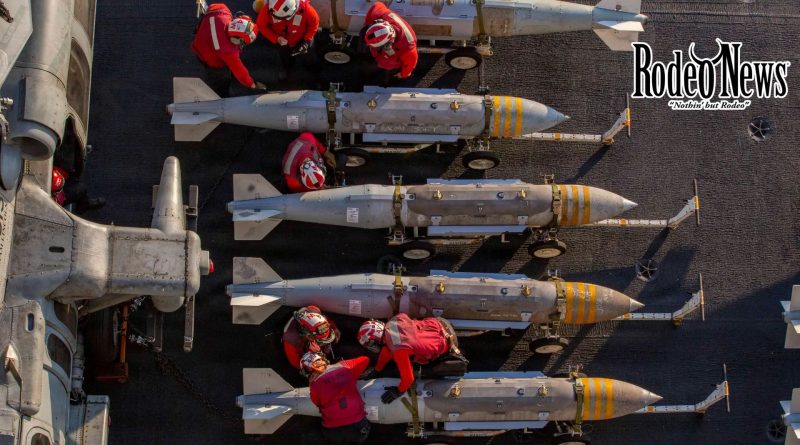
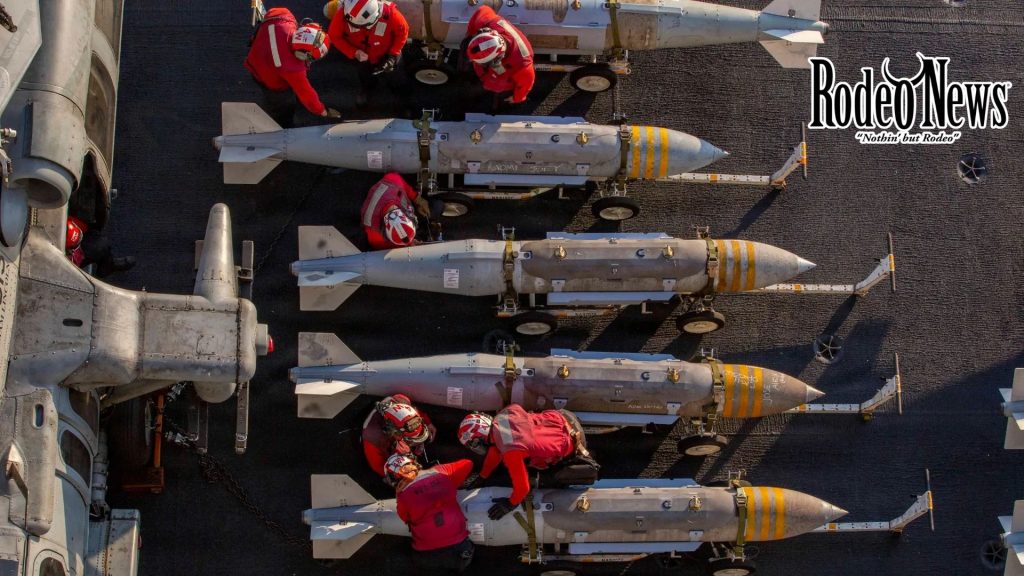
Missile systems, from the venerable Tomahawk cruise missiles to newer long-range strike rockets, have become a defining feature of the air campaign. U.S. warships and aircraft have fired these weapons in large numbers as part of an effort to neutralize Iranian air defenses, naval assets, ballistic missile launchers and command structures.
The Tomahawk, in particular, has featured prominently in the opening salvo — including variants with modified paint schemes that suggest efforts to reduce detectability. Such use marks one of the most intensive deployments of the system since its inception and underscores how modern cruise missiles are central to precision strike doctrine.
Drones and Precision Fires
Alongside traditional missiles, U.S. forces have employed swarms of unmanned systems. One such platform, referred to as the LUCAS attack drone, mirrors design aspects of Iranian-made Shahed drones and has been used for its low-cost, expendable attack capability. Both sides have also launched waves of ballistic missiles and drones at each other and at regional bases, leading to fatal strikes against U.S. personnel and installations.
Defense leaders have described the operation as the largest regional concentration of U.S. firepower in a generation. Yet, as the war unfolds, concerns are emerging over the burn rate of key munitions. High-end interceptors like Patriot and THAAD systems — essential for defending allied territory — and precision weapons are being consumed rapidly, triggering debates in Washington about resource allocation and resupply.
Strategic Pressure and Resource Strains
Pentagon officials acknowledge that sustaining such a high tempo of missile launches and air defense engagements could stress U.S. military inventories. Congressional lawmakers from both parties have signaled potential support for supplemental defense funding to replenish depleted stocks, even as global strategic pressures — including Indo-Pacific commitments — compete for shrinking budgets and hardware.
White House and Pentagon spokespeople have maintained that the mission objectives — degrading Iran’s offensive missile threat and disrupting its capacity to project power — justify the expenditure. President Donald Trump and his national security team argue that decisive action now can prevent larger threats later.
Regional Reaction and Escalation Risks
The war has spilled beyond Iran’s borders, with missiles traversing Gulf skies en route to U.S. bases and allied nations. Gulf Cooperation Council states, including Qatar and the United Arab Emirates, have reported interceptions of Iranian projectiles over their territory, reflecting how the conflict’s missile dynamics are stretching regional air defenses to their limits.
Meanwhile, Hezbollah and allied groups in Lebanon have also launched strikes into northern Israel, heightening fears of a broader conflagration. Oil markets have reacted, with energy prices spiking as concerns grow over shipping routes through the Strait of Hormuz.
Looking Ahead
As Operation Epic Fury continues, analysts say the trajectory of the conflict will hinge not only on battlefield success but on the ability of the United States, its partners, and Iran to manage the flow of advanced missiles and munitions. The emphasis on long-range fires and precision weapons — coupled with the growing complexity of the missile exchanges — signals a new phase in the conflict that is both technologically complex and geopolitically volatile.
In the weeks ahead, military logistics, diplomatic pressure and political will — domestically and internationally — will likely determine whether the war expands, stabilizes, or enters a negotiated pause.