
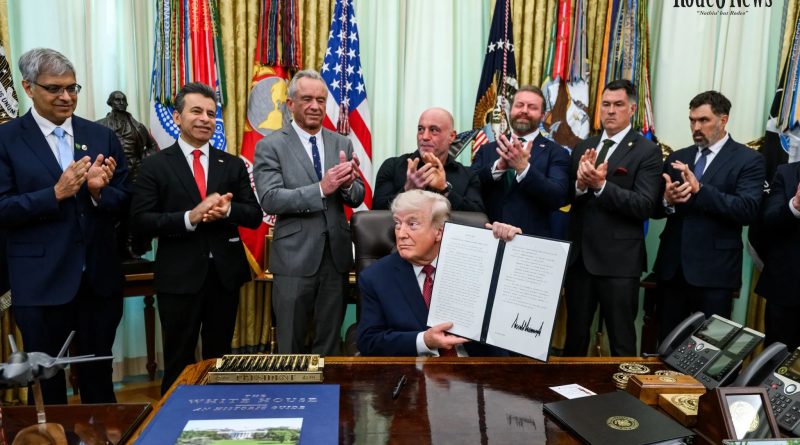
Trump Mental Health Order Revealed: A New Era for Veterans
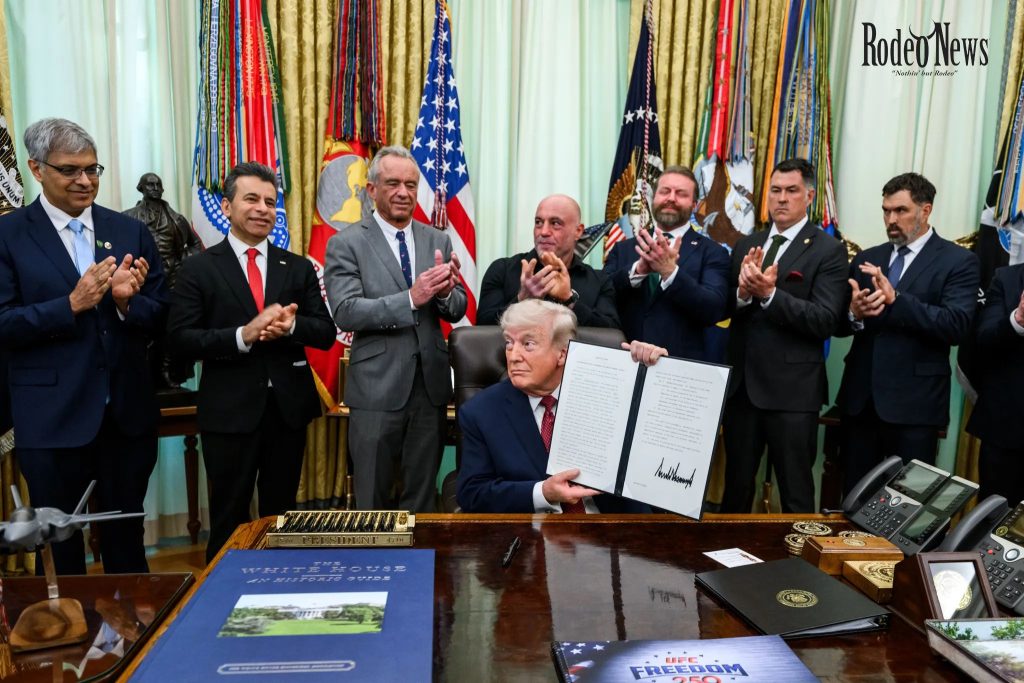
The Trump mental health order is being described as a landmark policy shift that could transform how serious mental illnesses are treated in the United States—especially among military veterans. Announced in April 2026, the executive action focuses on accelerating access to innovative therapies, including experimental treatments that have long faced regulatory barriers.
The initiative aims to modernize the mental health system by prioritizing scientific research, streamlining clinical trials, and reducing bureaucratic obstacles that have slowed progress for decades. According to the White House, the order represents a “meaningful step” toward a more responsive and veteran-centered healthcare system.
Why the Trump Mental Health Order Matters
Mental health challenges among U.S. veterans remain a persistent crisis. Thousands struggle with post-traumatic stress disorder (PTSD), depression, traumatic brain injuries, and substance abuse. Traditional treatments—while effective for some—often fail to provide long-term relief for many patients.
The Trump mental health order directly addresses this gap. It recognizes that despite significant federal investment, the current system has not produced enough breakthrough therapies for complex mental health conditions.
As a result, the administration is pushing for:
- Faster development of new treatments
- Expanded research into emerging therapies
- Improved coordination between federal agencies
- Easier access for veterans to cutting-edge care
1. Fast-Tracking Breakthrough Treatments
One of the most significant aspects of the Trump mental health order is its directive to accelerate clinical trials and approvals for new therapies.
Federal agencies, including the FDA, are being instructed to prioritize treatments that show strong potential in addressing severe mental illnesses. This includes conditions that do not respond well to conventional medications.
Importantly, the order encourages the use of expedited review pathways—allowing promising treatments to reach patients faster without compromising safety standards.
2. Expanding Research Into Psychedelic Therapies
A major highlight of the Trump mental health order is the expansion of research into psychedelic-assisted therapies. Substances such as ibogaine, psilocybin, and MDMA are being studied for their potential to treat PTSD, depression, and addiction.
Recent policy shifts indicate that the federal government is taking these treatments more seriously than ever before. The executive order directs regulators to reassess restrictions and support clinical trials for these compounds.
In fact, early research suggests these therapies may offer life-changing benefits for patients who have exhausted traditional options.
Supporters argue that this move could revolutionize mental healthcare, while critics caution that more evidence is needed to ensure safety and effectiveness.
3. Removing Barriers for Veterans
A key goal of the Trump mental health order is to eliminate the need for veterans to travel abroad for experimental treatments.
Previously, many veterans sought therapies in countries like Mexico, where certain treatments are legal. The new policy aims to bring those options back to the United States by:
- Reducing regulatory hurdles
- Encouraging domestic clinical trials
- Expanding access within the Veterans Affairs system
This shift is expected to make treatment more accessible, safer, and better regulated.
4. Faster Drug Rescheduling for Approved Therapies
Another critical component of the Trump mental health order is the push to speed up drug rescheduling.
Many promising treatments—especially psychedelics—are currently classified as Schedule I substances, meaning they are considered to have no accepted medical use.
Under the new directive, once a treatment successfully completes advanced clinical trials, federal agencies must quickly review and potentially reclassify it.
This change could significantly shorten the time it takes for breakthrough therapies to become legally available.
5. A Veteran-Centered Healthcare Approach
At its core, the Trump mental health order is designed to prioritize the needs of veterans.
The policy emphasizes a more personalized and responsive healthcare system—one that adapts to the unique challenges faced by those who have served in the military.
Veteran advocacy groups have welcomed the move, noting that it could provide new hope for individuals who have struggled for years without effective treatment.
Support and Criticism Surrounding the Policy
The Trump mental health order has generated both strong support and notable skepticism.
Supporters Say:
- It represents a bold step toward innovation
- It addresses a long-overlooked crisis
- It could save lives by expanding treatment options
Critics Argue:
- Evidence for some therapies remains limited
- Safety concerns must be carefully addressed
- Rapid implementation could outpace scientific validation
Despite differing views, there is growing bipartisan interest in exploring new approaches to mental health treatment.
The Role of Federal Agencies
The success of the Trump mental health order will depend heavily on how federal agencies implement its directives.
Key players include:
- FDA (Food and Drug Administration): Responsible for approving new treatments
- Department of Veterans Affairs: Oversees care for veterans
- HHS (Health and Human Services): Coordinates national health policy
The order calls for improved collaboration between these agencies to ensure faster and more efficient progress.
What This Means for the Future of Mental Health Care
The Trump mental health order could mark a turning point in how mental illness is treated in the United States.
If successful, it may:
- Accelerate the adoption of innovative therapies
- Reduce suicide rates among veterans
- Encourage further research into complex mental health conditions
- Shift public perception of alternative treatments
Moreover, it signals a broader willingness to rethink traditional approaches to mental healthcare.
Global Implications
The impact of the Trump mental health order may extend beyond the United States.
Other countries are closely watching developments in psychedelic research and mental health innovation. If the U.S. successfully integrates these therapies into mainstream medicine, it could influence global healthcare policies.
Additionally, increased funding and research could lead to international collaborations, further advancing the field.
Conclusion: A Bold but Uncertain Step Forward
The Trump mental health order represents one of the most ambitious efforts in recent years to transform mental health treatment—particularly for veterans.
By prioritizing research, reducing barriers, and accelerating access to new therapies, the policy offers a new path forward for patients who have long been underserved.
However, its ultimate success will depend on careful implementation, rigorous scientific validation, and ongoing oversight.
For now, the order stands as a bold attempt to bring hope to millions—especially those who have sacrificed in service to their country.