Strait of Hormuz Crisis: Shocking 5 Key War Updates
The Strait of Hormuz crisis has taken another dramatic turn as tensions between the United States and Iran escalate once again. After a brief reopening of one of the world’s most critical oil routes, Iran has reversed course, reimposing restrictions and raising fears of a prolonged global energy and geopolitical crisis.
The latest developments come amid a fragile ceasefire in Lebanon and ongoing negotiations between Washington and Tehran. However, conflicting actions and statements from both sides suggest that stability remains elusive.
Here are five key updates shaping the rapidly evolving situation.
1. Iran Reimposes Control Over the Strait of Hormuz
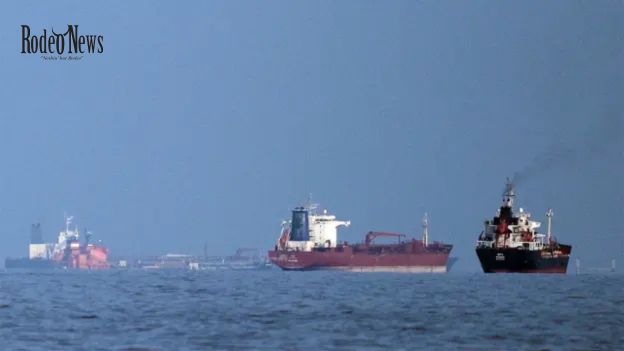
Iran has once again tightened its grip on the Strait of Hormuz, signaling a major setback for global shipping and energy markets.
According to official statements, Iran’s military declared that the strait is now under “strict management and control of the armed forces.”
This move effectively reverses earlier assurances that the waterway would remain open for commercial traffic. Iranian authorities also warned that restrictions would stay in place as long as the U.S. continues its naval blockade on Iranian ports.
Meanwhile, the Strait of Hormuz remains one of the most strategic waterways in the world, historically handling nearly 20% of global oil supply.
2. US Blockade Remains in Full Force
Despite Iran’s initial decision to reopen the strait, former U.S. President Donald Trump made it clear that the American blockade would not be lifted.
Trump stated that the blockade on Iranian ports will remain “in full force” until a comprehensive agreement is reached between the two nations.
The blockade has already had a significant impact:
- Nearly 20 ships reportedly turned back under U.S. orders
- Over 10,000 U.S. personnel are involved in enforcement
- Naval and air assets continue to patrol the region
This aggressive stance has been a major factor behind Iran’s decision to reimpose restrictions.
3. Ceasefire in Lebanon Offers Limited Relief
In a parallel development, a 10-day ceasefire between Israel and Hezbollah in Lebanon has brought temporary calm to one part of the region.
The truce, backed indirectly by Iran, allowed thousands of civilians to begin returning to their homes.
However, the ceasefire has not translated into broader regional stability. Sporadic violence and mistrust persist, and the situation remains highly volatile.
Experts warn that the ceasefire may only be a short pause rather than a long-term solution.
4. Oil Markets React with Extreme Volatility
Global oil markets have been highly sensitive to developments in the Strait of Hormuz crisis.
When Iran initially announced the reopening of the strait:
- Oil prices dropped more than 10%
- Brent crude fell to around $89 per barrel
- WTI crude dropped below $85
However, with Iran’s renewed restrictions, analysts warn that prices could surge again.
The Strait of Hormuz is a critical chokepoint for global energy flows. Any disruption—even temporary—can have immediate ripple effects across international markets.
5. Rising Military Tensions and Maritime Incidents
The situation on the ground—or rather, at sea—has become increasingly dangerous.
Reports indicate that:
- Iranian forces have fired on vessels attempting to pass through the strait
- Tankers have reported gunfire and harassment
- Military presence from multiple nations is increasing
These incidents highlight the growing risk of a direct military confrontation.
At the same time, Iran has accused the U.S. of “piracy” for enforcing the blockade, while Washington maintains that its actions are necessary to pressure Tehran into a deal.
Why the Strait of Hormuz Crisis Matters
The Strait of Hormuz crisis is not just a regional conflict—it is a global concern.
Global Energy Security
Nearly one-fifth of the world’s oil supply passes through this narrow waterway. Any disruption can:
- Increase fuel prices worldwide
- Trigger inflation
- Disrupt supply chains
Geopolitical Stability
The crisis involves multiple actors:
- The United States
- Iran
- Israel
- Hezbollah
- Regional and global allies
This makes it one of the most complex geopolitical flashpoints in the world.
Risk of Wider War
With military forces from several countries operating in close proximity, the risk of miscalculation is high.
Even a minor incident could escalate into a broader conflict.
Diplomatic Efforts Continue—but Challenges Remain
Despite rising tensions, diplomatic efforts are ongoing.
Negotiations reportedly focus on:
- Iran’s nuclear program
- Sanctions relief
- Maritime security guarantees
However, significant disagreements remain.
The U.S. is pushing for long-term restrictions on Iran’s nuclear activities, while Iran is demanding the removal of economic pressure measures.
Meanwhile, third-party mediators—including regional powers—are attempting to bridge the gap.
What Happens Next?
The future of the Strait of Hormuz crisis remains uncertain.
Several scenarios are possible:
1. Diplomatic Breakthrough
A negotiated agreement could lead to:
- Lifting of the blockade
- Full reopening of the strait
- Stabilization of oil markets
2. Continued Stalemate
Both sides may maintain current positions, resulting in:
- Ongoing restrictions
- Periodic incidents at sea
- Continued market volatility
3. Military Escalation
If tensions escalate further, the region could see:
- Expanded naval clashes
- Airstrikes
- Broader regional conflict
Conclusion
The Strait of Hormuz crisis has once again entered a dangerous phase, with Iran reimposing restrictions and the United States maintaining its blockade.
While a temporary ceasefire in Lebanon offers a glimmer of hope, the broader situation remains unstable. Oil markets, global security, and international diplomacy are all being tested in real time.
As negotiations continue and military tensions simmer, the world watches closely—knowing that what happens in this narrow stretch of water could have far-reaching consequences for the entire planet.