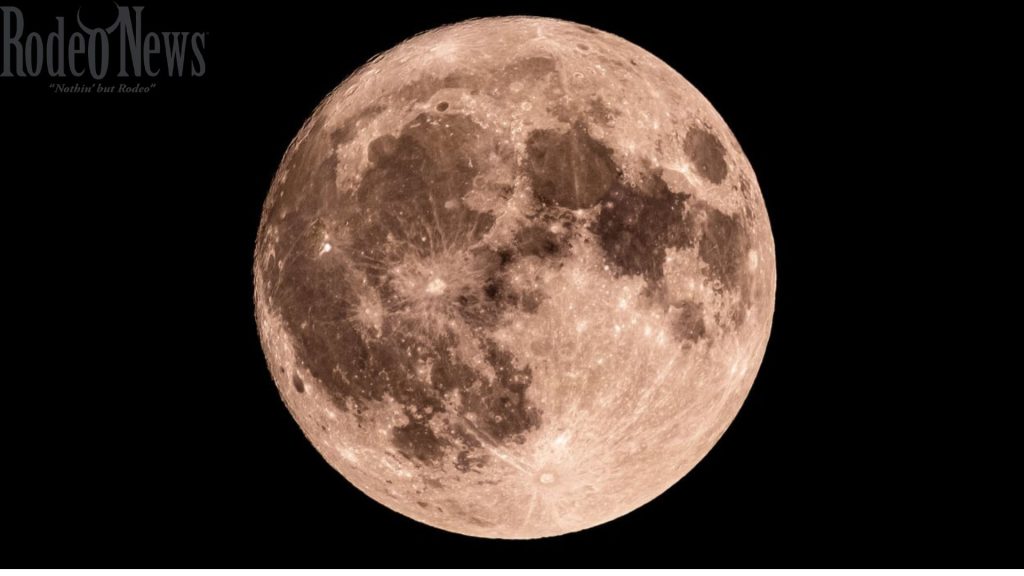
Tonight (October 4, 2025), the moon is in its waxing gibbous phase (just before full). It is growing brighter each night as it moves toward fullness.
🌙 Moonrise, Moonset & Illumination
- Moonrise: (local time) approximately ~ [insert your local moonrise time here]
- Moonset: ~ [insert moonset time]
- Illumination: About 80–90% of the lunar surface facing Earth is illuminated
- Age of the Moon: Roughly 10–12 days since the new moon
These values will vary slightly depending on your geographic location (latitude and longitude).
What You’ll See Tonight
As a waxing gibbous, the moon appears nearly full but still has a slight curved shadow on one side. It will dominate the sky, rising well before midnight and remaining visible deep into the night. Craters, maria (the dark “seas”), and mountain shadows along the terminator line (the dividing line between light and dark) will be the most dramatic features to observe through binoculars or a small telescope.
Title Separator Site title
How It Progresses from Here
Title Separator Site title
After October 4, the moon continues toward full moon, which typically occurs around October 6 or 7, depending on your time zone. Following that, it will enter the waning phases, gradually shrinking back toward a new moon.
Tips for Observing
- Best time: Early evening when the moon is rising, shadows are more dramatic
- Equipment: Binoculars or telescope will enhance the view
- Avoid: Night of the full moon for photographing surface detail — the contrast flattens
- Take note: Watch the terminator line — features appear more dramatic at the light‑dark boundary