Trump Officials Discussed Deploying 82nd Airborne to Portland, Texts Reveal
White House and Pentagon officials exchanged candid messages suggesting plans to send the United States Army’s 82nd Airborne Division into Portland, Oregon, to confront civil unrest—according to images of the exchanges shared with the Minnesota Star Tribune.
Candid Planning in Public Settings
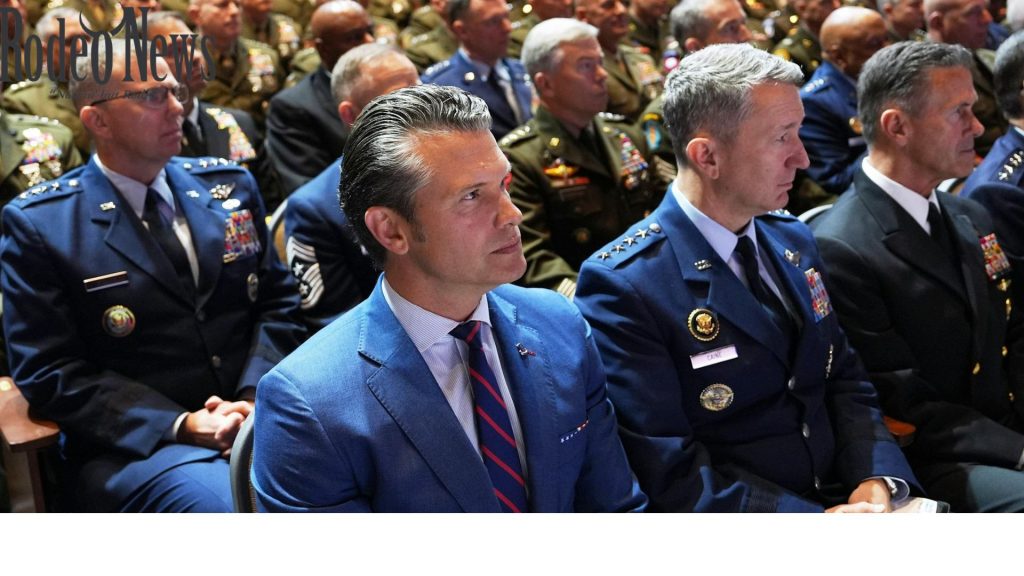
Anthony Salisbury, a deputy to White House adviser Stephen Miller, used the Signal messaging app while traveling in Minnesota, openly discussing military options with senior defense officials—including Patrick Weaver, an advisor to Defense Secretary Pete Hegseth.
In one exchange, Weaver told Salisbury that Hegseth “just wants the top cover from the boss” if using the 82nd goes badly. He acknowledged that using the 82nd—traditionally an expeditionary, rapid‑response unit—would attract “headlines.”
Legal Barriers and Internal Debate
The messages reveal awareness of legal obstacles. The Posse Comitatus Act forbids deploying active-duty federal troops to enforce state or local law. The National Guard is generally exempt when operating under state authority.
Though Trump ultimately directed the deployment of 200 National Guard troops to Portland on Sept. 28, not the 82nd, the texts suggest that using an army division had been seriously considered. Oregon and the city of Portland have since filed suit to block the deployment.
Public Messaging vs. Behind-the-Scenes Plans
The exchanges also reference legal counsel and plans for coordination with the president. Weaver noted White House Counsel David Warrington was helping set up a call between Trump and Hegseth.
One message hints at long‑standing ambitions: “82nd is part of this trained element you guys have been building for this very [thing], right?” Whether that was sent remains unclear.
Context and Historical Precedent
Deploying Army units domestically is rare. The 82nd Airborne has been used historically in U.S. cities during emergencies—such as during urban unrest in 1968 and riots after the Rodney King verdict in 1992—but these were exceptional cases.
Trump has publicly framed U.S. cities as potential training grounds, saying troops would be used to “straighten them out one by one.”
Reactions and Implications
The Pentagon declined to comment on speculative military operations, stating only that it works “around the clock” to protect federal personnel and property.
A White House spokeswoman defended Salisbury’s messages, calling the reporting “shameful” and asserting that nothing in the texts was new or classified.