Avatar Lawsuit Revealed: James Cameron Accused
The latest Avatar lawsuit has sparked major controversy across Hollywood after actress Q’orianka Kilcher accused filmmaker James Cameron and Disney of allegedly using her facial likeness without permission for the iconic Na’vi character Neytiri in the blockbuster Avatar franchise.
According to multiple reports published this week, Kilcher claims Cameron based elements of Neytiri’s facial structure on her appearance from the 2005 film The New World, where she portrayed Pocahontas at the age of 14. The legal complaint alleges that the resemblance went far beyond inspiration and became an unauthorized commercial use of her identity.
The lawsuit immediately became one of the entertainment industry’s biggest legal stories of 2026 because it targets one of the most successful film franchises ever created. The original Avatar remains among the highest-grossing films in cinematic history, generating billions in global revenue and spawning multiple sequels.
What the Avatar Lawsuit Claims
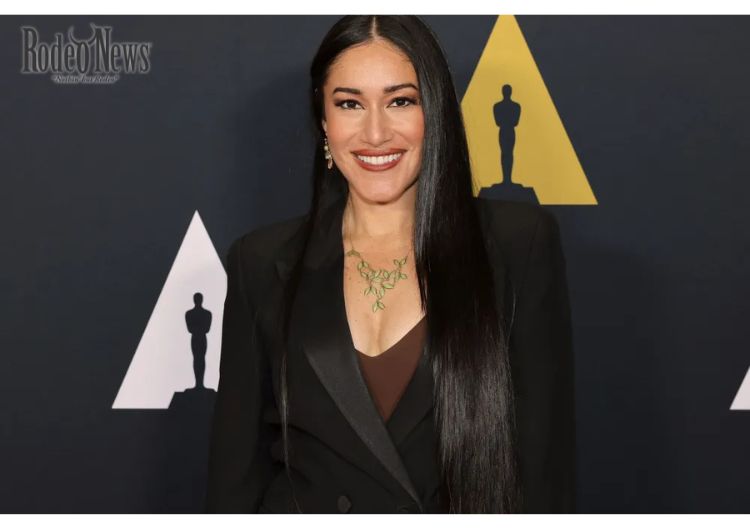
Court filings reviewed by several media outlets state that Kilcher believes Cameron and his production teams extracted key elements of her facial features during the development process for Neytiri, the Na’vi heroine ultimately portrayed by Zoe Saldaña.
The complaint reportedly references a resurfaced interview clip in which Cameron discussed an early concept sketch of Neytiri and acknowledged that a photo of Kilcher inspired the design. In that clip, Cameron allegedly pointed to the lower facial structure of the actress as part of the artistic reference behind the character.
Kilcher’s legal team argues that the process crossed ethical and legal boundaries because her likeness was allegedly transformed into a digital commercial asset without consent, compensation, or formal involvement in the franchise.
The lawsuit further claims that production artists, designers, and visual-effects teams used her image repeatedly throughout various stages of character development, including sketches, molds, and 3D renderings.
Her attorneys described the alleged actions as “extraction” rather than inspiration, arguing that biometric identity rights were violated during the creation of the billion-dollar franchise.
Why the Case Could Become a Landmark Hollywood Battle
The Avatar lawsuit arrives at a time when the entertainment industry is facing growing scrutiny over digital likeness rights, artificial intelligence, and biometric identity protections.
Hollywood studios increasingly rely on advanced visual-effects technologies capable of digitally recreating or modifying human appearances. However, laws regarding facial likeness ownership remain legally complex and continue evolving across the United States.
Legal analysts note that this lawsuit could become especially important because it touches on several emerging legal issues simultaneously:
- Unauthorized commercial use of likeness
- Biometric identity protections
- Digital rendering rights
- Indigenous representation in media
- Consent involving digitally altered characters
The complaint reportedly invokes California publicity-rights law, which protects individuals from unauthorized commercial exploitation of their image or identity.
Some reports also indicate the lawsuit references California’s newer protections surrounding AI-generated or digitally manipulated sexual content because Neytiri appears in romantic scenes throughout the Avatar franchise.
If the case proceeds, it could establish new legal standards for how filmmakers and visual-effects teams use real human faces as reference material during the design process for fictional characters.
Q’orianka Kilcher’s Emotional Response
Kilcher publicly expressed disappointment over the allegations, stating that she once admired the franchise and believed in its themes surrounding Indigenous identity and environmental justice.
According to reports, she said she never imagined her face would allegedly become part of an elaborate production pipeline without her knowledge or approval.
The actress also reportedly described the situation as deeply personal because she was only 14 years old when the image allegedly used by Cameron originated.
Kilcher first rose to international recognition through her acclaimed performance in The New World and later appeared in popular television productions including Yellowstone.
Her legal representatives argue that the alleged unauthorized use of her appearance became especially troubling because the Avatar franchise publicly positioned itself as supportive of Indigenous cultures while allegedly exploiting the identity of an Indigenous actress behind the scenes.
James Cameron’s Previous Comments Resurface
As the controversy intensified online, older comments from Cameron about Neytiri’s design rapidly resurfaced across social media platforms.
In one interview referenced in the lawsuit, Cameron allegedly stated that an image of Kilcher served as an early visual reference for the character.
The lawsuit also mentions a personal interaction between Cameron and Kilcher in 2010 after the first Avatar film became a worldwide phenomenon.
According to the complaint, Cameron allegedly gifted Kilcher a framed sketch of Neytiri along with a handwritten note indicating that her beauty inspired the character’s early appearance.
At the time, Kilcher reportedly viewed the gesture as complimentary rather than evidence of unauthorized likeness usage. However, the resurfaced interview allegedly changed her understanding of how extensively her appearance may have been incorporated into the franchise’s design process.
Neither Cameron nor Disney had publicly issued a detailed response at the time of publication.
The Massive Financial Stakes Behind Avatar
The legal battle carries enormous financial implications because the Avatar franchise represents one of Hollywood’s most profitable entertainment properties.
The first Avatar film generated nearly $3 billion worldwide and transformed blockbuster filmmaking through groundbreaking motion-capture and visual-effects technology.
The franchise later expanded into sequels, merchandise, theme-park attractions, and streaming distribution deals, creating a multibillion-dollar entertainment ecosystem.
Kilcher is reportedly seeking unspecified monetary damages as well as potential injunctive relief that could impact future usage of the character design.
Legal experts believe the case may become complicated because fictional characters often incorporate multiple artistic inspirations, making it difficult to establish where creative influence ends and unlawful likeness replication begins.
Nevertheless, Cameron’s own publicly available comments may become a central element in the court proceedings if the case advances further.
Hollywood’s Growing Fear Over Digital Identity Rights
The Avatar lawsuit highlights broader anxiety spreading throughout the entertainment industry regarding digital identity ownership.
Actors, performers, and creators increasingly worry that studios may digitally recreate their appearance without proper authorization as AI and CGI technologies continue evolving rapidly.
Recent strikes involving actors and writers already focused heavily on AI protections, digital replicas, and consent surrounding biometric data usage.
This lawsuit could therefore become a major test case not only for Hollywood but also for industries using advanced visual technologies worldwide.
Entertainment lawyers say the outcome may influence future contracts involving:
- Motion capture
- Facial scanning
- AI-assisted rendering
- CGI character design
- Virtual performances
If courts determine that likeness-based inspiration crossed into unauthorized replication, studios may face stricter requirements for obtaining consent from performers whose facial features contribute to fictional digital characters.
Public Reaction Online
The controversy quickly exploded across social media, where fans remain divided over the allegations.
Some supporters of Kilcher argue that creative industries must establish clearer ethical boundaries surrounding facial references and biometric identity usage.
Others believe filmmakers traditionally rely on real-world inspiration during character creation and argue that artistic influence should remain legally protected.
Meanwhile, entertainment analysts note that the case could significantly affect public perception of the Avatar franchise because its themes frequently emphasize Indigenous respect, anti-colonialism, and ethical responsibility.
The irony of those themes now appearing alongside allegations of unauthorized exploitation has become a major talking point online.
What Happens Next
At this stage, the lawsuit remains in its early phases, and no court ruling has been issued regarding the allegations.
Disney and Cameron are expected to respond formally through legal filings in the coming weeks. If the case proceeds, it could involve:
- Internal production documents
- Character development records
- Concept art archives
- VFX production pipelines
- Testimony from artists and designers
Hollywood observers are already predicting that the legal fight may become one of the entertainment industry’s most closely watched courtroom battles in years.
Whether the lawsuit ultimately succeeds or not, it has already intensified global discussion about consent, digital identity, and the future of filmmaking in the AI era.
For now, the Avatar lawsuit continues generating headlines worldwide as audiences await responses from both Cameron and Disney