Two West Nile Virus Deaths Reported in North Carolina as Mosquito Season Continues
Two adults in central North Carolina have died from West Nile virus, prompting public health officials to warn residents that the mosquito-borne disease remains a concern even as autumn progresses.
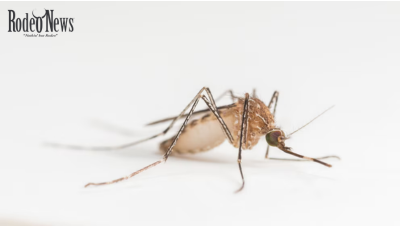
The deaths were confirmed by the North Carolina Department of Health and Human Services as warm weather continues to support mosquito activity across the state. Health officials say the prolonged conditions are extending the period during which infected mosquitoes can transmit the virus to people.
The development comes as North Carolina faces a concerning year for West Nile virus infections. According to ABC News, 2026 is on track to become the state’s second-highest year on record for reported cases, behind 2024.
Officials are encouraging residents to remain vigilant, use insect repellent and take practical steps to reduce mosquito exposure, particularly during the cooler months when many people might assume the risk has passed.
Two Adults Die From West Nile Virus
The two people who died were adults living in central North Carolina, according to state health officials. Authorities have not publicly identified the individuals or disclosed their specific counties of residence in the available reporting.
Their deaths highlight the potentially serious consequences of West Nile virus, an infection that can cause severe neurological complications in a small proportion of people who contract it.
The virus is primarily transmitted through the bite of an infected mosquito. Mosquitoes become infected after feeding on birds carrying the virus and can subsequently transmit it to humans and other animals.
North Carolina health authorities have previously detected West Nile virus in mosquitoes and confirmed human infections during the 2026 season.
The US Centers for Disease Control and Prevention reported 11 human cases in North Carolina in data available as of October 6, 2026. These figures are preliminary and may change as additional cases are investigated and reported.
Although the number of confirmed infections provides an indication of disease activity, health experts caution that surveillance figures may underestimate the true number of infections because many people experience no symptoms or do not seek medical attention.
Warm Weather Extends Mosquito Activity
One factor contributing to the continuing risk is the persistence of warm temperatures into October.
Michael Doyle, a public health entomologist with the North Carolina Department of Health and Human Services, told local ABC affiliate WTVD that mosquitoes carrying the virus can continue biting while temperatures remain sufficiently warm.
According to Doyle, daytime temperatures above approximately 50 degrees Fahrenheit can allow relevant mosquito activity to continue.
This means that the arrival of autumn does not automatically eliminate the possibility of infection. Although mosquito populations often decline as temperatures fall, some mosquitoes may remain active during extended periods of mild weather.
The timing is important because many residents associate mosquito season primarily with summer. Continued activity in October means preventive measures remain relevant, especially for people spending time outdoors.
State health officials have also reported detecting West Nile virus in mosquitoes collected in several North Carolina counties during the 2026 season.
The findings reinforce the importance of monitoring local public health guidance rather than assuming that mosquito-borne disease risks disappear when summer ends.
What Are the Symptoms of West Nile Virus?
West Nile virus infections can produce a wide range of outcomes, from no noticeable illness to severe disease requiring hospitalization.
According to the CDC, most infected people do not develop symptoms. Approximately one in five develops a febrile illness that may include fever, headache, body aches, joint pain, vomiting, diarrhea or a rash.
These symptoms can resemble other common illnesses, making it difficult to identify West Nile virus based on symptoms alone.
Most people with mild illness recover, although fatigue and weakness can persist for weeks or, in some cases, months.
A smaller proportion of infected people develop serious neurological complications, including encephalitis, which is inflammation of the brain, or meningitis, which affects the protective membranes surrounding the brain and spinal cord.
Severe illness may involve high fever, confusion, a stiff neck, muscle weakness, seizures or paralysis. These symptoms require urgent medical evaluation.
The CDC estimates that approximately one in 150 people infected with West Nile virus develops severe disease affecting the central nervous system. Severe infections can be fatal, particularly among older adults and people with certain underlying health conditions.
Anyone experiencing serious neurological symptoms should seek emergency medical attention.
Who Faces the Greatest Risk?
Although people of any age can become infected, certain groups face a greater risk of developing severe complications.
Older adults are particularly vulnerable, as are people with weakened immune systems and some chronic medical conditions.
People who spend substantial time outdoors may also have more opportunities to encounter mosquitoes, particularly in locations where the insects are abundant.
However, avoiding outdoor activities entirely is not necessary for most people. Public health experts emphasize that consistent prevention measures can reduce exposure.
Residents should pay attention to local health department announcements, especially when mosquito surveillance identifies virus activity in their communities.
How Residents Can Protect Themselves
Health authorities recommend several measures to reduce the risk of mosquito bites and limit mosquito breeding.
Using an EPA-registered insect repellent according to its label instructions is one of the principal precautions. Wearing long-sleeved shirts and long pants can also reduce exposed skin, particularly during periods of increased mosquito activity.
Residents should inspect their homes and yards for standing water, where mosquitoes can lay eggs. Buckets, discarded containers, flowerpot saucers, old tires and other objects that collect rainwater should be emptied regularly.
Birdbaths and pet water bowls should be cleaned or refreshed frequently. Gutters should also be maintained to prevent water from accumulating.
Window and door screens can help keep mosquitoes outside, while repairing damaged screens reduces opportunities for insects to enter homes.
These measures are especially important during prolonged warm weather, when mosquito activity may continue beyond its usual seasonal peak.
There is currently no licensed human vaccine for West Nile virus and no specific antiviral medication that cures the infection. Treatment focuses on managing symptoms and providing supportive care, with hospitalization sometimes necessary for severe cases.
West Nile Virus Remains a Fall Health Concern
The two deaths in North Carolina serve as a reminder that mosquito-borne illnesses can remain dangerous after summer has ended.
With warm conditions extending mosquito activity into October, public health officials are urging residents not to abandon precautions prematurely.
The state’s reported cases also underscore the importance of surveillance, early recognition of severe symptoms and community efforts to eliminate mosquito breeding sites.
Although most people infected with West Nile virus will not develop symptoms, the possibility of serious neurological disease makes prevention particularly important for vulnerable individuals.
As the season continues, residents are encouraged to follow guidance from state and local health departments and seek medical advice if they develop concerning symptoms after possible mosquito exposure.
For North Carolina communities, continued awareness and simple preventive actions remain important tools for reducing the risk of further infections as autumn progresses.