
Massage Flu Is Not Actually the Flu
A relaxing massage is supposed to leave people feeling refreshed. Yet some clients report the opposite: soreness, fatigue, headaches and a general feeling of being under the weather.
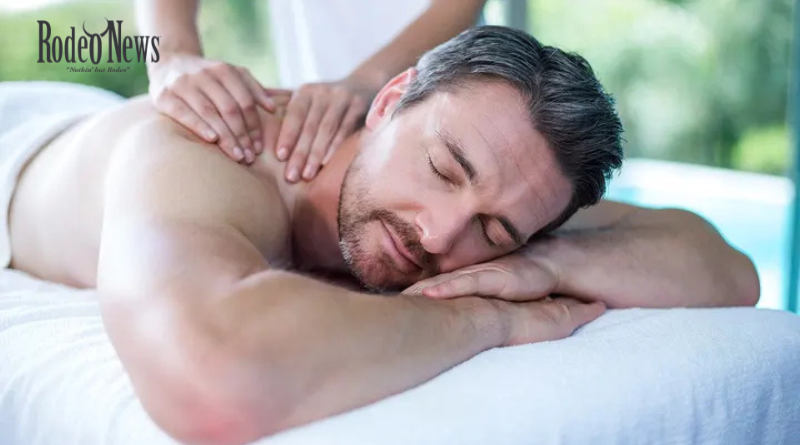
The phenomenon has become known online as massage flu, although health experts stress that it is not an official medical diagnosis and does not mean someone has caught influenza from a massage.
The term has increasingly appeared on social media as people describe feeling sick after massage sessions. According to experts interviewed by Fox News Digital, the symptoms can be real even though the popular explanation surrounding them may be misleading.
Physical therapist W. Zach Smith, a Seattle-based clinician and co-founder of HIDEF Physical Therapy, told Fox News Digital that he has heard patients describe the phenomenon for years, although the “flu” terminology appears to be more recent.
Drew Voelsch, a chiropractor in Illinois, similarly said patients have used terms such as “massage flu” and “adjustment hangover” to describe temporary symptoms.
The important distinction is that experiencing discomfort after a massage does not necessarily mean a person is sick with an infection.
What Causes Massage Flu Symptoms?
The symptoms associated with massage flu can include muscle soreness, tiredness and mild headaches. Fox News reported that these effects may last roughly 24 to 48 hours in some people.
One explanation involves the physical pressure placed on muscles and other soft tissues during treatment.
When a massage therapist applies substantial pressure for an extended period, particularly during a deep-tissue treatment, the muscles can become temporarily irritated. Smith told Fox News that intense pressure can essentially produce a bruising-like effect in muscle tissue.
The body can then respond with a mild inflammatory reaction.
That response can help explain why someone who expected to feel relaxed after a massage instead wakes up feeling sore or exhausted.
Cleveland Clinic also notes that post-massage soreness can occur because massage manipulates muscles and may temporarily increase inflammation in areas being worked. The effect can be more noticeable when someone has not had a massage recently or is receiving deeper pressure.
Massage Flu Can Be More Noticeable After Deep Massage
Not all massages place the same demands on the body.
A gentle relaxation massage may produce little or no soreness. A deep-tissue or sports massage, however, can involve considerably more pressure and focused manipulation.
For someone who is new to massage, unusually tense or particularly sensitive to pressure, a strong treatment may therefore result in more noticeable discomfort afterward.
Cleveland Clinic says soreness can be particularly common after a massage when someone has not had one recently or has never received one before.
That does not necessarily mean the massage was harmful. It does mean that the intensity of the treatment matters.
Why Do Some People Get Headaches After a Massage?
Headaches are another symptom sometimes associated with massage flu.
According to Smith, massage involving the neck, scalp or jaw can potentially contribute to a headache because those areas can be associated with tension-related headaches.
There may also be an indirect explanation.
A person who arrives for a massage with significant muscle tension may respond differently from someone whose muscles are already relaxed. Manipulating particularly tight or sensitive areas can temporarily leave them feeling uncomfortable.
The location and intensity of the massage therefore matter.
If a particular technique repeatedly triggers headaches, clients should tell their massage therapist. Adjusting the pressure, duration or treatment area may help prevent the same response during future appointments.
The NCCIH also notes that massage therapy encompasses many different techniques and that massage therapists may need to modify treatment depending on a person’s health circumstances.
The “Toxins Released” Explanation Is a Myth
One of the most persistent claims surrounding massage flu is that massage pushes toxins out of muscles and causes temporary flu-like symptoms as the body removes them.
Experts interviewed by Fox News rejected that explanation.
Smith described the idea that massage causes symptoms by “releasing toxins” as a myth without scientific basis. Voelsch likewise pointed to the liver and kidneys as the body’s major systems for handling waste products.
This distinction matters because a temporary inflammatory response is very different from a supposed detoxification process.
Massage does mechanically manipulate soft tissue. That can lead to temporary soreness and other physical sensations. But that does not establish that toxins have been released into the bloodstream.
People should therefore be cautious about wellness claims that use the word “detox” to explain virtually any unpleasant symptom following a treatment.
How Long Does Massage Flu Last?
For people who experience typical post-massage soreness, symptoms are generally temporary.
Fox News reported that soreness, fatigue and mild headaches may last approximately 24 to 48 hours.
Cleveland Clinic similarly reports that ordinary soreness after massage can last from several hours to around a day and a half, although individual experiences vary.
The length of symptoms can depend on several factors, including:
- How intense the massage was
- Whether deep-tissue techniques were used
- How long the session lasted
- Whether the person regularly receives massages
- Existing muscle tension
- Individual sensitivity
- Hydration and activity levels
A short period of mild soreness is therefore not necessarily unusual.
However, symptoms that become severe, persist or develop unusual features deserve more attention.
How to Reduce Massage Flu Symptoms
There are several practical ways to make recovery more comfortable.
1. Ask for Less Pressure
Communication with the massage therapist is one of the most important steps.
If the pressure feels painful rather than therapeutic, tell the therapist immediately. A massage does not have to be extremely painful to be effective.
For people who are new to massage, starting with lighter pressure may also provide a better introduction.
2. Stay Hydrated
Drinking water before and after a massage may help support normal recovery and reduce discomfort associated with muscle soreness.
Cleveland Clinic recommends maintaining hydration around massage sessions.
However, hydration should not be presented as a way to “flush toxins” from the body. That popular explanation is not supported by the evidence discussed by the experts.
3. Choose Gentle Movement
Immediately following an intense massage may not be the best time for a demanding workout.
Instead, gentle walking, light stretching or other low-intensity movement may help prevent stiffness.
Cleveland Clinic recommends gentle stretching and light activity as options for managing post-massage soreness.
4. Give Your Body Time to Recover
Rest can also help.
If muscles feel unusually tender after treatment, pushing through the discomfort with strenuous exercise may make the experience worse.
Allowing some recovery time can be particularly useful after a deep-tissue session.
5. Adjust Your Next Massage
If the same symptoms happen repeatedly, consider changing the approach at the next appointment.
That could mean:
- Reducing pressure
- Shortening the session
- Avoiding particularly sensitive areas
- Choosing a gentler massage style
- Discussing previous reactions with the therapist
The goal should be a treatment that matches the individual’s needs rather than simply increasing intensity.
When Is Massage Flu a Reason to See a Doctor?
Most mild soreness after massage is not considered a medical emergency.
Still, not every symptom that occurs after massage should automatically be blamed on massage flu.
Fox News reported that Voelsch recommended medical advice if symptoms continue beyond approximately 72 hours or if they involve fever, sharp or radiating pain, numbness or tingling, spreading swelling or bruising, or faintness.
Persistent or unexplained pain is also a reason to contact a healthcare professional, particularly when the symptoms are new.
The NCCIH notes that massage therapy generally has a low risk of harmful effects when performed appropriately, but rare serious complications have been reported, including blood clots, nerve injuries and fractures. Some reports involved vigorous massage or people at higher risk of injury.
That does not mean serious complications are common. Rather, it is a reminder that massage is still a physical intervention and is not appropriate for every person or every condition.
Who Should Take Extra Precautions With Massage?
People with certain medical conditions may need to modify or avoid some forms of massage.
The NCCIH specifically advises people to discuss massage therapy with a healthcare provider when they have health conditions that could affect safety. It also notes that people taking anticoagulant medications, for example, may need to avoid forceful deep-tissue massage.
People should also tell their massage therapist about relevant medical history, injuries, medications and other factors that could affect treatment.
Pregnancy and certain medical conditions can also require special considerations.
The broader message is straightforward: massage should be tailored to the person receiving it.
Massage Therapy Remains Widely Used
The existence of post-massage soreness does not mean massage therapy is inherently unsafe.
The NCCIH says massage therapy involves manipulation of the body’s soft tissues and is used both for wellness and to help manage certain health conditions. National survey data cited by the agency show that 10.9% of U.S. adults reported using massage therapy in 2022, more than twice the 4.8% reported in 2002.
Research into massage therapy has examined its potential effects on pain and other symptoms. The evidence varies depending on the condition and type of massage, and the NCCIH emphasizes that some areas of research remain preliminary or conflicting.
That makes it important to separate legitimate benefits and known side effects from exaggerated wellness claims.
The Bottom Line on Massage Flu
Massage flu is a popular social-media term for a collection of temporary symptoms that some people report after massage, particularly soreness, fatigue and headaches.
It is not an official diagnosis, and there is no good scientific basis for the idea that these symptoms occur because massage “releases toxins.”
Instead, experts cited by Fox News point toward more conventional explanations, including pressure on muscle tissue and a temporary inflammatory response.
For most people experiencing mild post-massage soreness, reducing pressure, staying hydrated, moving gently and allowing time for recovery may help.
But symptoms that are severe, unusual or persistent should not automatically be dismissed as massage flu. Fever, numbness, faintness, significant swelling, sharp or radiating pain, or symptoms lasting beyond several days warrant medical attention.
For anyone planning a massage, the simplest strategy is to communicate clearly with the therapist and choose an intensity appropriate for their body and health circumstances.