Marty Supreme Review: Timothée Chalamet and Josh Safdie Redefine the Sports Comedy in a Thrilling, High-Energy Tale of Ambition and Hustle
In Marty Supreme, Timothée Chalamet embarks on a whirlwind adventure as Marty Mauser, an audacious, fast-talking, and ever-determined hustler from New York’s Lower East Side. Directed by Josh Safdie in his first solo effort without brother Benny Safdie, this genre-defying film reimagines the sports comedy. Combining elements of a character study, a nostalgic homage to 1950s New York, and a fast-paced journey of ambition, Marty Supreme emerges as an exhilarating ride that feels like a wild hybrid of Uncut Gems meets Catch Me If You Can.
A Fresh Take on the Hustler Story
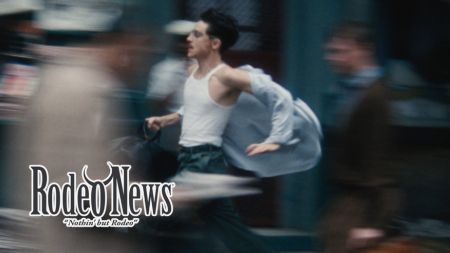
At its core, Marty Supreme is the story of a young man bent on turning his dreams into reality, no matter the cost. Chalamet’s portrayal of Marty is relentless and electric, his character a blend of raw ambition, unapologetic self-confidence, and an unshakable belief in his destiny. He’s a character straight out of the streets, aiming to become a table tennis legend while navigating a chaotic world of hustling, fast talk, and endless obstacles.
Inspired by the life of Marty Reisman, a Jewish table tennis prodigy in the 1950s, the film follows Marty as he seeks to elevate the sport to global prominence, garnering respect similar to that of baseball or boxing. From his modest beginnings working at his Uncle Murray’s shoe shop, to eventually attempting to make it in London, Marty’s journey is anything but conventional.
A Masterclass in Filmmaking
Josh Safdie, known for his masterful direction in Good Time and Uncut Gems, brings an unmatched intensity to this film. His frenetic editing and dynamic pacing mirror Marty’s own unyielding drive. The film pulsates with a lively energy reminiscent of classic Scorsese works like Mean Streets or Goodfellas, blending raw realism with a heightened sense of ambition and spectacle.
The film is a visual feast, with cinematographer Darius Khondji capturing the grit and vibrancy of 1950s New York. The streets of the Lower East Side, filled with bustling crowds and vividly detailed locations, feel alive with a palpable sense of history. The set design, overseen by Jack Fisk, anchors the film in a period that’s both nostalgic and tangible, seamlessly transporting viewers to another era.
Music plays a pivotal role in shaping the film’s tone, adding a unique layer of energy and intrigue. From Daniel Lopatin’s shimmering orchestral score to unexpected needle drops like Tears for Fears’ “Everybody Wants to Rule the World”, the soundtrack injects a layer of 1980s post-punk energy into the 1950s setting, creating a curious yet irresistible atmosphere. It’s an audacious move, but it works, highlighting Marty’s volatile, limitless dreams that refuse to be confined by time.
A Star-Studded Ensemble
While Chalamet undoubtedly steals the show, the film is bolstered by a stellar supporting cast. Gwyneth Paltrow shines as Kay Stone, a fading movie star who finds herself inexplicably drawn to Marty’s relentless charm and ambition. Their relationship is fraught with tension, yet Paltrow’s performance conveys a deep longing for something more—something Marty might unknowingly offer, even as he remains blind to her needs.
Meanwhile, Odessa A’zion delivers a breakout performance as Rachel, Marty’s childhood sweetheart, whose loyalty to him becomes increasingly strained as his ambitions take him further from her. A’zion masterfully captures Rachel’s internal conflict, as she juggles her own dreams with the chaotic whirlwind that Marty represents.
Adding another layer of authenticity to the film, rapper Tyler, the Creator makes a memorable acting debut as Wally, Marty’s loyal but bemused best friend. Their dynamic provides much of the film’s comic relief, offering moments of levity amid the tension.
A Picaresque Journey of Triumph and Humiliation
Marty’s pursuit of table tennis glory takes him from the back alleys of New York to the international stage, where his encounters with rival players and wealthy patrons offer both comedic and poignant moments. One of the film’s most memorable sequences occurs during a table tennis championship in London, where Marty’s audacious confidence clashes with the reality of facing off against the world’s top players, including Hungarian champion Béla Kletzki.
But Marty’s quest for glory isn’t just about ping-pong; it’s about constructing an identity, about proving himself not just as a player, but as a man capable of bending the world to his will. His refusal to accept second place leads him to confront some of his deepest fears, especially when it comes to his relationship with Rachel, who is pregnant and furious with his abandonment.
An Explosive Final Act
The film’s climax takes us on a rollercoaster journey that spans continents and cultural divides, from the streets of New York to the glamorous Ritz Hotel in London, to a series of absurdly chaotic events in New Jersey. These set pieces are expertly crafted, with Safdie’s direction balancing the absurd with the poignant. The manic energy of these sequences, coupled with a pulsating soundtrack and sharp editing, creates a dizzying effect that mirrors Marty’s relentless pursuit of greatness.
The final act is a jaw-dropping turn of events, bringing Marty’s journey full circle and offering a surprising moment of self-reflection. While he remains a hustler at heart, the film leaves audiences with a sense of hope for his future—an acknowledgment that even the most flawed individuals can find redemption in their pursuit of greatness.
Conclusion: A Wild Ride Worth Taking
Marty Supreme is a thrilling and unapologetically original film that defies conventional genre boundaries. It’s part sports comedy, part character study, part New York odyssey, and part surreal drama, yet it somehow melds these elements into a cohesive, wildly entertaining narrative. With an electric performance from Timothée Chalamet, a masterful direction by Josh Safdie, and an unforgettable ensemble cast, Marty Supreme is an exhilarating experience that will keep you on the edge of your seat from start to finish.
While the film’s chaotic energy and irreverent humor may not be for everyone, those willing to embrace its wild, unpredictable ride will find themselves rewarded with one of the most inventive films of the year.