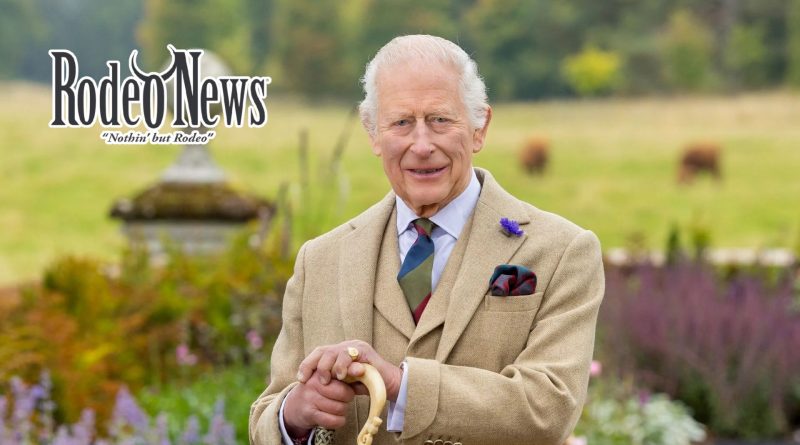
King Charles Moves to Contain Fallout From Prince Andrew’s Epstein Scandal
King Charles III is once again confronting the long shadow cast by his younger brother, Prince Andrew, as renewed political and public pressure over Andrew’s ties to convicted sex offender Jeffrey Epstein threatens to reopen wounds the monarchy has struggled for years to contain.
During a public engagement outside a train station in Clitheroe, Lancashire, the king was met not only by well-wishers but by anger. “How long have you known about Andrew?” one heckler shouted, piercing the carefully choreographed calm that typically surrounds royal appearances. It was the second such confrontation in a week, underscoring how the controversy continues to follow the royal family despite years of damage control.
The outbursts come after Prime Minister Sir Keir Starmer suggested last month that Andrew Mountbatten-Windsor — as the prince is formally known — should testify before the United States Congress regarding his dealings with Epstein. The remarks revived international scrutiny of Andrew’s past associations and placed the monarchy back into an uncomfortable spotlight.
A Scandal That Refuses to Fade
Prince Andrew’s relationship with Jeffrey Epstein has haunted the royal family since Epstein’s 2019 arrest and subsequent death in a New York jail cell. Epstein, a financier with powerful connections across politics, academia and business, was charged with sex trafficking minors. His death was ruled a suicide, but the scandal surrounding his activities — and those who moved within his orbit — has persisted.
Andrew has repeatedly denied any wrongdoing and has said he regrets his association with Epstein. However, his widely criticized 2019 television interview, in which he attempted to explain the friendship, proved disastrous. The appearance deepened public skepticism and ultimately led to his withdrawal from official royal duties.
In 2022, Andrew reached an out-of-court settlement with Virginia Giuffre, who accused him of sexual assault when she was a teenager. Andrew denied the allegations but agreed to the settlement, described at the time as a move to avoid prolonged legal proceedings. The agreement did little to quiet criticism.
Now, the suggestion that he could be called to testify before U.S. lawmakers has reignited debate — not only about Andrew’s conduct, but about the monarchy’s handling of the crisis.
The King’s Balancing Act
Since ascending the throne, King Charles has worked to present a modernized and disciplined monarchy, focused on service rather than spectacle. Central to that effort has been distancing the institution from controversy.
Andrew was stripped of his honorary military titles and royal patronages, and he no longer uses the style “His Royal Highness” in any official capacity. Reports have indicated that Charles has also taken steps to limit Andrew’s public role and financial privileges within royal estates.
Yet, despite those measures, public anger continues to surface — particularly when political figures amplify calls for accountability.
Sir Keir Starmer’s remarks were notable not only for their directness but also for their timing. With transatlantic investigations and congressional inquiries into Epstein’s network ongoing, the possibility of Andrew being summoned adds an international dimension to what has long been viewed as a domestic royal crisis.
For Charles, the challenge is delicate. The monarch must protect the credibility of the Crown while navigating the deeply personal reality that the controversy centers on his brother.
Public Trust and the Modern Monarchy
The British monarchy has weathered scandals before, but the Epstein affair has proven uniquely corrosive. It intersects with broader societal concerns about accountability, privilege and justice — themes that resonate far beyond palace walls.
Public confrontations, such as the one in Lancashire, reflect a shift in tone. Royal walkabouts were once carefully controlled environments; today, they can become platforms for direct and uncomfortable questions.
Analysts note that while Charles himself has not been implicated in any wrongdoing, perceptions matter. In an era of social media amplification and global political scrutiny, silence can be interpreted as complicity — and association can be politically costly.
For now, Buckingham Palace has not commented on the prospect of congressional testimony. Andrew has kept a low profile, largely absent from official ceremonies except for limited family events.
An Ongoing Reckoning
Whether Prince Andrew is ultimately called to testify remains uncertain. But the renewed focus on his ties to Epstein ensures that the matter is far from settled.
For King Charles, the episode is another reminder that the monarchy’s stability depends not only on tradition but on public trust. Each shouted question from a crowd, each renewed headline abroad, chips away at the careful equilibrium the king has sought to maintain.
The Crown has survived crises for centuries. Yet in the modern era, scrutiny travels faster, and reputational damage lingers longer. As pressure mounts once again, the king’s efforts to contain the fallout may prove as critical as any ceremonial duty he performs.