Jessica Sutta MAGA Tour Snub Shocking Reveal
Former Pussycat Dolls member Jessica Sutta has sparked controversy after claiming her political views—specifically her alignment with the MAGA movement—cost her a place in the group’s highly anticipated 2026 reunion tour.
The revelation has ignited debate across both the entertainment industry and social media, raising questions about the role of politics in pop culture, artistic collaboration, and celebrity careers.
A Reunion Without Key Members
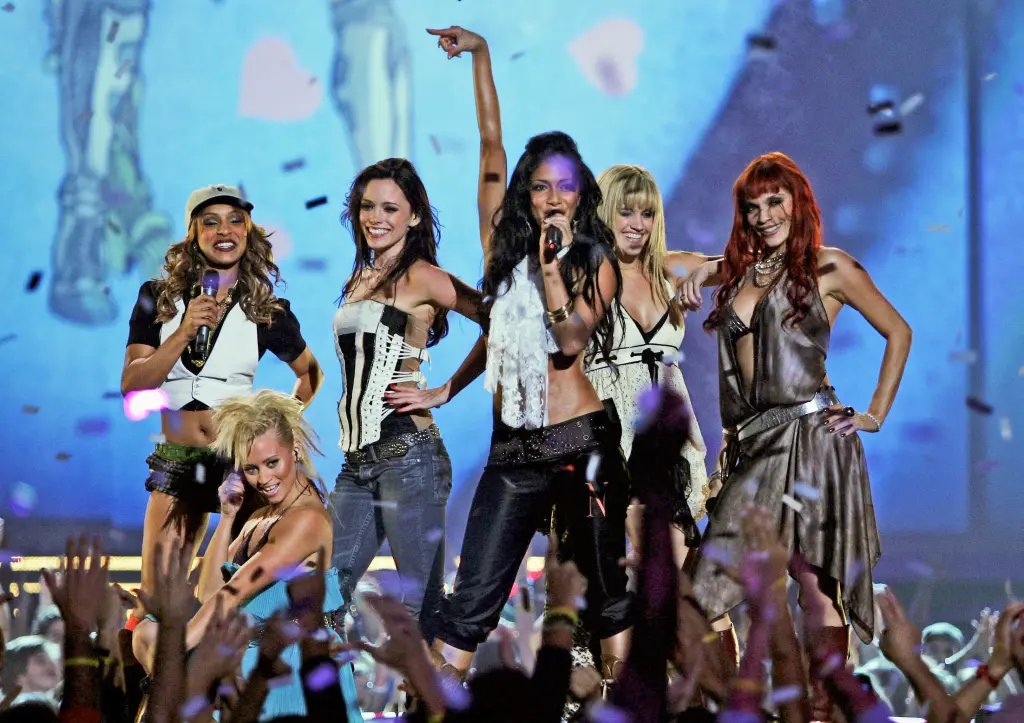
The Pussycat Dolls are set to return in 2026 with the PCD Forever Tour, but the reunion lineup notably excludes several original members, including Sutta.
The tour will feature:
- Nicole Scherzinger
- Ashley Roberts
- Kimberly Wyatt
This trio-led comeback marks a scaled-down version of the original group, which once dominated global charts in the mid-2000s.
According to reports, the PCD Forever Tour will include 53 shows across North America and Europe, celebrating the group’s legacy and marking their first major return since earlier reunion attempts collapsed.
“I Was a Liability”: Sutta Speaks Out
In a recent podcast appearance, Sutta revealed she believes her political stance played a major role in her exclusion.
She stated that she was never formally informed about the reunion plans and only learned about the tour when it was publicly announced—something she described as being “blindsided.”
More notably, Sutta suggested that her outspoken views made her a “liability” for the group.
Her political alignment includes support for Robert F. Kennedy Jr. and identification with the MAGA movement, which has been closely associated with Donald Trump.
“I triple down on it,” Sutta said regarding being labeled MAGA, emphasizing that she refuses to change her beliefs despite backlash.
Politics and Pop Music Collide
Sutta’s claims highlight a growing trend in the entertainment industry where political identity can influence professional opportunities.
While celebrities have long expressed political opinions, the increasing polarization of public discourse has made such affiliations more consequential than ever.
In Sutta’s case, her advocacy appears tied to personal experiences. She has previously spoken about health issues she attributes to a COVID-19 vaccine, which led her to align with political figures advocating for vaccine-injured individuals.
This personal-to-political journey has shaped her public identity—and, according to her, may have impacted her standing within the group.
Other Members Also Left Out
Sutta was not the only original member excluded.
Carmit Bachar and Melody Thornton were also absent from the reunion lineup.
Reports suggest that none of these former members were consulted in advance, further fueling speculation about internal tensions and decision-making within the group.
Some insiders have indicated that the current trio wanted to avoid potential “drama” and maintain a cohesive dynamic during the tour.
A “Cash Grab” or Strategic Move?
Sutta did not hold back in her criticism, reportedly describing the reunion as a “cash grab.”
This comment reflects broader skepticism among some fans, who question whether the reunion is driven more by financial incentives than artistic collaboration or nostalgia.
However, others argue that the trio format may simply be a practical decision.
The Pussycat Dolls have historically featured a rotating lineup, and internal conflicts have been well-documented over the years. Choosing a smaller, more unified group could be seen as a way to ensure stability for a demanding global tour.
The Legacy of the Pussycat Dolls
Formed in the early 2000s, the Pussycat Dolls became one of the most successful girl groups of their era.
With hits like:
- “Don’t Cha”
- “Buttons”
- “Stickwitu”
the group achieved global fame, blending pop, dance, and R&B influences with high-energy performances.
Sutta, who joined the group during its peak years, played a key role in its success and later built a solo career, achieving multiple No. 1 hits on U.S. dance charts.
Her exclusion from the reunion has therefore come as a surprise to many long-time fans.
Fan Reactions and Social Media Debate
The controversy has quickly spilled onto social media, where fans are divided.
Some support Sutta, arguing that:
- Artists should not be excluded for their political beliefs
- The reunion feels incomplete without all original members
- Transparency from the group has been lacking
Others defend the current lineup, suggesting that:
- Creative projects require aligned visions
- Political controversies can impact public perception
- The trio has the right to shape their own comeback
This split reflects broader cultural debates about cancel culture, freedom of expression, and the boundaries between personal beliefs and professional collaboration.
The Role of Nicole Scherzinger
As the group’s lead figure, Nicole Scherzinger has faced questions about the decision-making process behind the reunion.
In interviews, she has reportedly struggled to provide a clear explanation for why certain members were excluded, adding to the intrigue surrounding the situation.
Meanwhile, fellow member Kimberly Wyatt has emphasized the importance of “healing” and maintaining a positive dynamic within the group.
These responses suggest that interpersonal factors—alongside possible political considerations—may have influenced the final lineup.
A Broader Industry Trend
Sutta’s situation is not isolated.
Across Hollywood and the music industry, political affiliations have increasingly influenced:
- Casting decisions
- Brand partnerships
- Public perception
Artists on all sides of the political spectrum have faced both support and backlash for their views.
In this context, Sutta’s claim that her MAGA alignment affected her career opportunities fits into a larger pattern of how politics and entertainment are becoming more intertwined.
What This Means for the Reunion Tour
Despite the controversy, the PCD Forever Tour is moving forward as planned.
The tour is expected to:
- Celebrate the group’s 20-year legacy
- Feature new music alongside classic hits
- Attract large audiences across multiple continents
However, the absence of key members—and the public nature of the dispute—could impact fan reception.
For some, the tour represents a nostalgic return of a beloved group. For others, it highlights unresolved tensions and missed opportunities for a full reunion.
Conclusion
The controversy surrounding Jessica Sutta’s MAGA reunion tour claims underscores the complex intersection of politics, personal identity, and the entertainment industry.
While Sutta believes her political views led to her exclusion, the full story likely involves a mix of factors—including group dynamics, strategic decisions, and public image considerations.
What is clear, however, is that the situation has reignited interest in the Pussycat Dolls and sparked a broader conversation about the role of politics in shaping artistic careers.
As the reunion tour approaches, fans and observers alike will be watching closely—not just for the performances, but for how this controversy continues to unfold.