Dolly Parton Experimental Drugs: Final Act Revealed
The story of Dolly Parton experimental drugs plans has revealed another deeply personal side of the country music legend’s final months. According to her sister, Stella Parton, Dolly was willing to allow doctors to try experimental drugs if there was no longer hope for her recovery, with the goal of helping future patients.
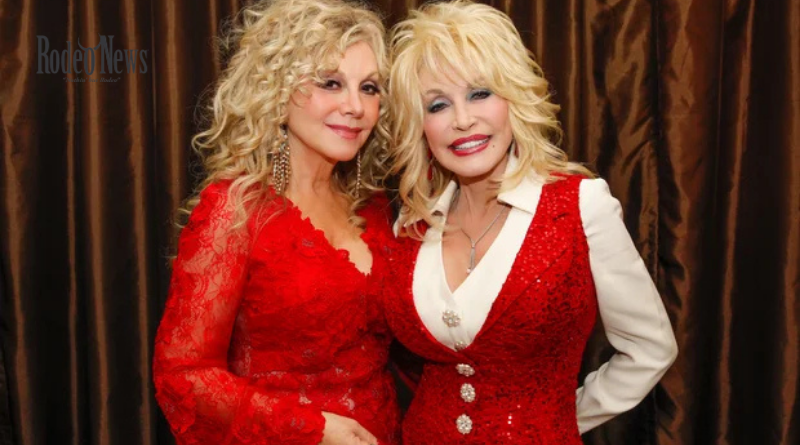
The revelation came shortly after Dolly Parton’s death at age 80 following a brief battle with cancer. Her family has not publicly disclosed the specific type of cancer she had.
Stella shared the emotional revelation while remembering her sister’s lifelong generosity. She said Dolly continued to think about helping others even while facing her own serious health crisis.
The decision reflects a pattern that defined much of Dolly Parton’s life. From children’s literacy to medical research, she repeatedly used her wealth, fame and influence to support causes that could benefit people beyond her immediate circle.
Dolly Parton Experimental Drugs Offer Came During Cancer Battle
The details surrounding the Dolly Parton experimental drugs offer were revealed by Stella in a tribute following the singer’s death.
Stella said Dolly had told her that if there was no hope for her condition, she would still allow her medical team to try experimental drugs. The intention, according to Stella, was not simply to pursue another treatment option for herself.
Dolly wanted doctors to potentially learn something that could help other people in the future.
That detail has resonated strongly because of the timing.
Dolly was facing a serious illness, yet her thoughts remained focused on the people who might benefit from medical research after her own battle ended.
Her sister described that attitude as consistent with the person Dolly had always been.
The singer’s willingness to consider experimental treatment also adds another dimension to the public understanding of her final days. While fans knew she had experienced health problems, the extent of her cancer battle remained largely private.
Dolly Parton’s Cancer Diagnosis Was Kept Private
Dolly Parton maintained considerable privacy surrounding her health in the months before her death.
Her family and representatives confirmed that she died after a brief battle with cancer, but they did not identify the type of cancer. She died surrounded by loved ones at Vanderbilt-Ingram Cancer Center in Nashville.
Earlier health concerns had already prompted questions from fans.
In October 2025, Dolly’s sister Freida asked people to pray for her, raising concerns about the singer’s condition. Dolly later reassured fans that she was doing well.
In May 2026, she also said she was responding well to treatment for health problems that included kidney stones. At the time, however, she canceled upcoming Las Vegas performances because she did not feel ready to return to the stage.
Those developments now look different following the confirmation of her cancer battle.
Dolly’s decision to keep the details private allowed her to maintain control over how much of her personal life became public.
What Stella Parton Revealed About Her Sister
Stella Parton’s tribute focused heavily on Dolly’s generosity and character.
She recalled their close relationship and described how they regularly shared coffee time together. Following Dolly’s death, Stella said those conversations would never be the same, but emphasized that her sister’s love, respect and goodness would remain.
The revelation about experimental drugs was presented as another example of that generosity.
Even in circumstances where treatment options might have been exhausted, Dolly was reportedly prepared to consider allowing doctors to use her case to learn more.
Stella encouraged people who wanted to honor Dolly’s memory to follow the values that shaped her life: kindness, generosity and helping others.
That message has become a central part of the tributes surrounding Dolly’s death.
Dolly Parton’s Long History of Medical Philanthropy
The story of Dolly Parton experimental drugs plans is particularly notable because it follows decades of philanthropic work.
Dolly was not new to supporting medical research.
In 2020, she donated $1 million to Vanderbilt University research related to COVID-19. The funding became part of research that contributed to the development of the Moderna vaccine.
That contribution became one of the most widely recognized examples of celebrity philanthropy during the pandemic.
Dolly’s approach, however, extended far beyond a single donation.
She established the Dollywood Foundation in 1988, initially focusing on education in her home region of Tennessee. Her charitable work later expanded through the Imagination Library, a program that provides free books to young children.
Her commitment to helping others was therefore not a new development during her illness.
Instead, her sister’s revelation suggests that the same philosophy continued even as Dolly confronted the end of her own life.
Experimental Cancer Treatment Can Support Medical Research
The phrase Dolly Parton experimental drugs should not be interpreted as an endorsement of unproven treatments for cancer.
Experimental drugs are medications or therapies that are still being studied for safety and effectiveness. They can be investigated through carefully regulated clinical trials and other research processes.
For patients with serious illnesses, participation in research can sometimes provide access to treatments that are not yet widely available. However, experimental therapies can also carry unknown risks.
Dolly’s reported willingness to participate would have been a personal medical decision made with her doctors.
The important point is the motivation described by her sister: if conventional treatment options were exhausted, Dolly wanted the experience to potentially provide information that could benefit other patients.
That distinction matters because her story is about medical research and generosity, rather than suggesting that experimental drugs are universally appropriate for people with cancer.
Dolly Parton’s Legacy of Giving
Dolly Parton’s philanthropy became almost as important to her public image as her music.
She grew up in poverty in rural Tennessee as one of 12 children. Her childhood experiences strongly influenced the themes of her career and her charitable work.
Through the Imagination Library, she built one of the most recognizable literacy programs associated with an individual entertainer.
The program provides books to young children, helping families introduce reading at an early age.
Her philanthropic approach was notable because it often focused on practical assistance.
Rather than simply raising awareness, Dolly frequently provided direct financial support or created programs designed to deliver long-term benefits.
Her medical contributions followed the same philosophy.
The $1 million donation to Vanderbilt’s COVID-19 research became particularly significant because it helped support work that eventually contributed to vaccine development.
Dolly Parton Continued Working Despite Health Problems
Dolly’s health struggles did not immediately stop her from thinking about her career.
Earlier this year, she indicated that she was dealing with health issues but remained interested in continuing her work.
She eventually canceled planned Las Vegas performances because she did not feel physically ready to return to the stage.
That decision offered fans a glimpse into the challenges she was experiencing, but the full extent of her condition remained unknown.
Her death on August 25, 2026, brought new attention to those earlier statements.
Representatives confirmed that she had been battling cancer for a relatively short period. Her death came at Vanderbilt-Ingram Cancer Center, where she was surrounded by loved ones.
Dolly Parton’s Death at 80
Dolly Parton’s death marked the end of one of the longest and most influential careers in American entertainment.
Born in Tennessee in 1946, she rose from a poor rural childhood to become one of the world’s most recognizable country music stars.
Her songwriting produced classics such as “Jolene,” “9 to 5” and “I Will Always Love You.”
She also built successful careers in film, television, business and tourism.
Beyond entertainment, Dollywood became a major destination in Tennessee, while her philanthropic organizations reached children and families across the United States and beyond.
Reuters reported that Parton’s career stretched across nearly six decades and included numerous awards and millions of records sold.
Her influence extended far beyond country music.
Why Dolly Parton’s Final Gesture Matters
The revelation about Dolly Parton experimental drugs is meaningful because it fits so closely with the larger story of her life.
Dolly frequently used her success to help other people.
She supported education.
She supported children.
She supported medical research.
And, according to her sister, she was prepared to consider using her own medical experience to help researchers learn more about cancer.
That willingness reflects an unusually outward-looking approach to personal hardship.
Rather than viewing illness only as something happening to herself, Dolly reportedly considered whether her experience could eventually benefit others.
It is also consistent with the message Stella shared after her death.
She urged people to honor Dolly’s legacy through kindness and generosity rather than simply mourning her.
Dolly Parton’s Legacy Will Continue
Although Dolly Parton is gone, the organizations and causes she supported will continue.
The Dollywood Foundation remains connected to educational initiatives, while the Imagination Library continues its mission of putting books into the hands of children.
Her music will also remain a major part of American culture.
Songs written and performed by Dolly have been recorded by countless other artists, ensuring that her influence extends beyond the generations who watched her career unfold.
Her contribution to medical research is another part of that legacy.
The $1 million contribution to COVID-19 research demonstrated her willingness to support scientific work even when she was not directly involved in the research itself.
The revelation from Stella now adds another deeply personal example.
Fans Remember Dolly Parton’s Kindness
Tributes poured in after Dolly’s death, with celebrities, politicians and fans remembering both her musical achievements and her generosity.
Her ability to connect with people across generations was one of her defining qualities.
She could write songs about heartbreak, poverty, ambition and love while maintaining a public persona built around humor and warmth.
That combination helped make her one of the most beloved entertainers in American history.
Her sister’s comments about the experimental drugs offer have added to that image.
They suggest that the values Dolly promoted publicly remained important to her privately, even during a serious health crisis.
Final Takeaway
The story of Dolly Parton experimental drugs plans has offered a powerful final glimpse into the singer’s character.
According to her sister Stella, Dolly was willing to let doctors try experimental drugs if there was no hope for her recovery, with the hope that what researchers learned could help future patients.
The revelation came after Dolly died at age 80 following a brief battle with cancer. Her family has not disclosed the specific type of cancer, but her representatives confirmed that she died surrounded by loved ones at Vanderbilt-Ingram Cancer Center.
For decades, Dolly used her fame and fortune to help others through literacy programs, education initiatives and medical research.
Her reported willingness to contribute to cancer research during her own final health battle appears to continue that tradition.
Dolly Parton’s career may be over, but her influence is not.
Her songs will continue to be performed, her charitable programs will continue serving families, and the example of her generosity will remain a central part of the legacy she leaves behind.