US Iran Blockade Revealed: A High-Stakes Global Turning Point
The US Iran Blockade has emerged as one of the most consequential geopolitical developments of 2026, sending shockwaves across global markets and diplomatic circles. As tensions escalate between the United States and Iran, the decision to impose a naval blockade targeting Iranian ports signals a dramatic shift in strategy—one that could reshape the global economy and security landscape.
The move follows the collapse of critical negotiations aimed at de-escalating the ongoing conflict. With diplomacy faltering, the United States is now turning to economic and military pressure to force Iran back to the negotiating table. However, the risks tied to this strategy are immense.
What Is the US Iran Blockade?
The US Iran Blockade refers to a naval operation designed to restrict maritime access to Iran’s key ports. In practice, this means:
- Preventing ships from entering or exiting Iranian waters
- Limiting Iran’s ability to export oil and gas
- Increasing pressure on the country’s already strained economy
Unlike a full closure of the Strait of Hormuz, the blockade specifically targets Iran’s port infrastructure. Nevertheless, the impact extends far beyond Iranian borders.
This strategic move is widely seen as an attempt to cripple Iran’s primary revenue streams while avoiding a direct large-scale ground conflict.
Why the US Iran Blockade Matters Globally
The importance of the US Iran Blockade cannot be overstated. Iran sits at the heart of one of the world’s most vital energy corridors—the Strait of Hormuz.
A Critical Oil Chokepoint
Nearly 20% of the world’s oil supply passes through this narrow waterway. Any disruption, even indirect, can trigger immediate consequences:
- Oil prices surge
- Shipping insurance costs spike
- Global supply chains face delays
As news of the blockade spread, energy markets reacted swiftly. Oil prices climbed amid fears of reduced supply and increased geopolitical risk.
Economic Ripple Effects
The blockade is not just a regional issue—it is a global economic concern. Countries heavily reliant on Middle Eastern oil exports are particularly vulnerable.
Moreover, rising fuel costs could fuel inflation worldwide, affecting everything from transportation to food prices.
Iran’s Response to the US Iran Blockade
Iran has strongly condemned the US Iran Blockade, calling it an act of aggression and a violation of international norms.
Threats of Retaliation
Iranian officials have warned of several potential countermeasures:
- Targeting shipping routes in the Gulf
- Imposing new restrictions or tolls on vessels
- Escalating military responses if provoked
These threats raise the possibility of further destabilization in an already volatile region.
Regional Tensions Intensify
The situation has heightened tensions across the Middle East. Neighboring countries are now on alert, fearing spillover effects that could disrupt their own economies and security.
NATO and Western Allies: A Divided Response
One of the most surprising aspects of the US Iran Blockade is the lack of unified support among Western allies.
The United Kingdom’s Position
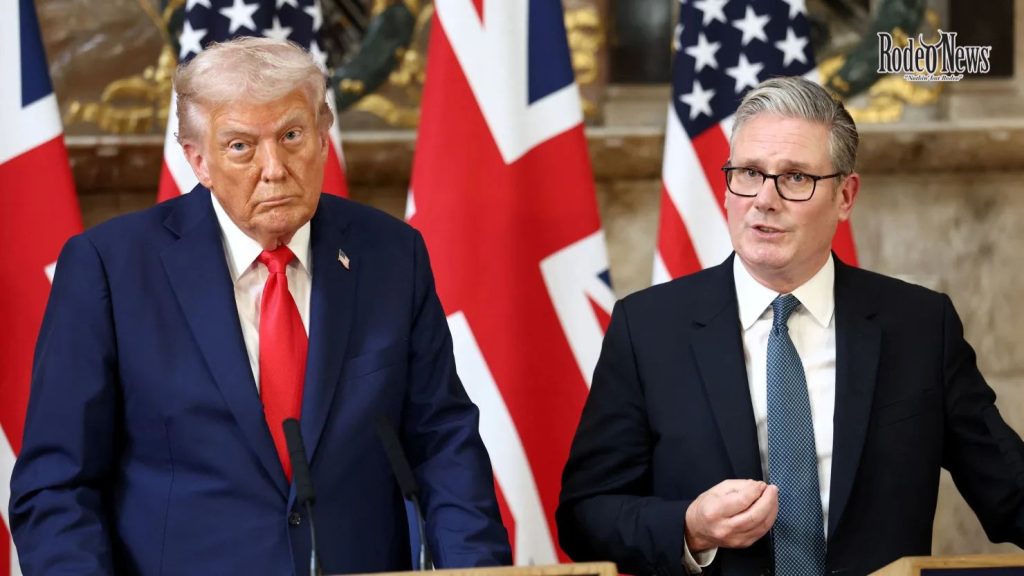
The United Kingdom has notably declined to participate in the blockade. Instead, British leadership has emphasized:
- The importance of maintaining open shipping routes
- The need for a legal framework before military involvement
- A preference for diplomatic solutions
This divergence highlights growing cracks within traditional alliances.
Implications for NATO
The blockade raises serious questions about NATO’s role in the conflict. Without full backing from key allies, the United States may face challenges in sustaining long-term operations.
5 Shocking Global Risks of the US Iran Blockade
The US Iran Blockade introduces a range of potential risks that could impact the entire world. Here are five of the most critical:
1. Oil Price Explosion
The most immediate consequence is a surge in oil prices. Even minor disruptions in supply can lead to significant price increases, affecting global markets.
2. Supply Chain Disruptions
Shipping delays and higher transportation costs could disrupt global supply chains. Industries ranging from manufacturing to retail may feel the impact.
3. Military Escalation
The presence of naval forces in a tense region increases the risk of accidental or intentional clashes. A single incident could escalate into a broader conflict.
4. Inflation Surge
Higher energy costs often translate into higher consumer prices. This could worsen inflation in many countries already struggling with economic challenges.
5. Diplomatic Breakdown
The blockade may further strain diplomatic relations, making future negotiations more difficult. Trust between key players is already at a low point.
Strategic Goals Behind the US Iran Blockade
The United States appears to be pursuing several objectives through the US Iran Blockade:
- Forcing Iran to renegotiate its nuclear program
- Weakening Iran’s economic capacity
- Demonstrating military and strategic dominance
However, achieving these goals is far from guaranteed.
A High-Risk Strategy
Experts warn that while the blockade may apply pressure, it could also backfire. Iran’s resilience and ability to adapt may limit the effectiveness of such measures.
Could the US Iran Blockade Trigger a Wider War?
One of the biggest concerns surrounding the US Iran Blockade is the potential for broader conflict.
Flashpoints to Watch
Several scenarios could lead to escalation:
- Direct naval confrontations
- Attacks on oil infrastructure
- Involvement of regional militias
Each of these developments would significantly increase the stakes.
Global Powers on Edge
Major global powers are closely monitoring the situation. Any escalation could draw in additional countries, transforming a regional conflict into a global crisis.
The Path Forward: Diplomacy or Confrontation?
Despite the rising tensions, there is still hope for a diplomatic resolution.
Renewed Negotiations?
The pressure created by the US Iran Blockade could push both sides back to the negotiating table. However, significant obstacles remain:
- Deep mistrust between parties
- Conflicting strategic interests
- Domestic political pressures
The Role of International Mediators
Countries and organizations may attempt to mediate the conflict. Their success will depend on the willingness of both sides to compromise.
Conclusion: A Defining Moment in Global Politics
The US Iran Blockade represents a pivotal moment in international relations. Its implications extend far beyond the Middle East, affecting global markets, alliances, and security.
While the strategy aims to pressure Iran into compliance, it also carries substantial risks. From economic disruption to potential military escalation, the world is now navigating a highly uncertain landscape.
As events continue to unfold, one thing is clear: the consequences of this blockade will shape global dynamics for months—if not years—to come.