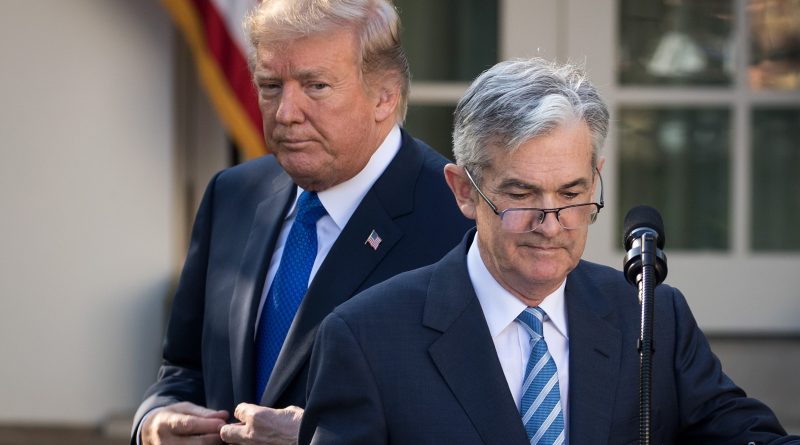
The Trump Powell clash is rapidly becoming one of the most consequential political and economic confrontations in the United States in 2026. At its core, the conflict pits President Donald Trump against Federal Reserve Chair Jerome Powell in a high-stakes battle over interest rates, institutional independence, and political control.
However, the situation extends far beyond monetary policy. It intersects with global tensions, domestic politics, and even moral opposition from influential figures like Pope Leo XIV. Together, these forces are shaping a volatile moment for both the U.S. economy and global stability.
1. Trump’s Push to Remove Powell Intensifies
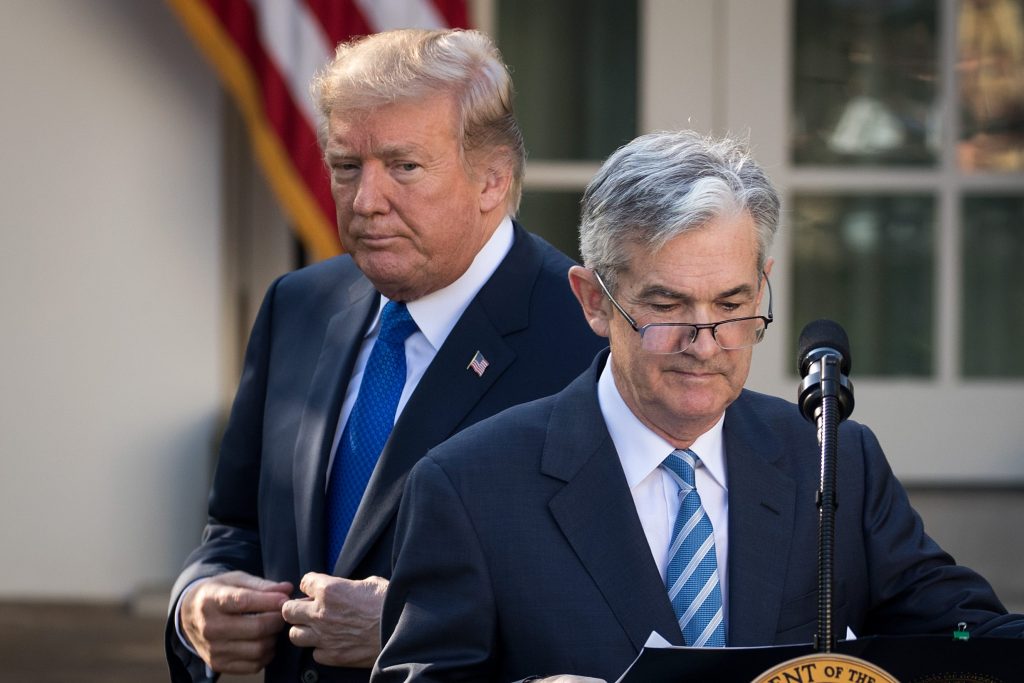
The Trump Powell clash has escalated as the president openly pressures Jerome Powell to step down as chair of the Federal Reserve. Powell’s term is set to end in May 2026, but Trump has signaled he may act sooner if necessary.
Trump has repeatedly criticized Powell for not cutting interest rates aggressively enough. This tension is not new—similar disputes occurred during Trump’s first presidency—but the current situation is more severe due to ongoing investigations and political maneuvering.
According to reports, Trump has even suggested he could fire Powell if he refuses to leave his position. This raises significant legal and constitutional questions, as the Federal Reserve is designed to operate independently from political pressure.
2. The Kevin Warsh Factor Complicates the Situation
A major element of the Trump Powell clash is Trump’s nomination of Kevin Warsh as Powell’s potential replacement. Warsh is seen as more aligned with Trump’s economic views, particularly regarding lower interest rates.
However, Warsh’s confirmation has hit a roadblock in the Senate. Senator Thom Tillis has reportedly opposed the nomination due to an ongoing investigation related to Federal Reserve infrastructure spending.
This creates a political stalemate:
- Trump wants Powell out
- Warsh cannot be confirmed
- The Federal Reserve remains in limbo
As noted in analysis from , Trump could potentially resolve the issue by dropping the investigation. Yet, he appears unwilling to take that step, possibly due to personal or political motivations.
3. Federal Reserve Independence Under Threat
At the heart of the Trump Powell clash is a deeper issue: the independence of the Federal Reserve.
The Fed has historically operated without direct political interference, allowing it to make decisions based on economic data rather than political agendas. This independence is considered crucial for maintaining market stability and controlling inflation.
Trump’s actions challenge this tradition. By publicly pressuring Powell and threatening removal, he risks undermining confidence in the institution.
Economists warn that political interference in central banking can lead to:
- Higher inflation
- Market instability
- Loss of investor confidence
Historical precedents, such as pressure on the Fed during the Nixon era, have shown how damaging such interference can be.
4. Pope Leo XIV Enters the Global Debate
Adding a surprising dimension to the Trump Powell clash is the involvement of Pope Leo XIV, who has emerged as a vocal critic of U.S. policies—particularly regarding war and humanitarian issues.
While not directly tied to monetary policy, the Pope’s criticism of the administration’s stance on the Iran conflict reflects broader tensions between moral authority and political power.
Pope Leo has called for peace and condemned aggressive military rhetoric, even describing certain actions as “truly unacceptable.”
This has created an unusual dynamic:
- A U.S. president and an American pope publicly disagreeing
- Global attention shifting toward ethical leadership
- Increased scrutiny of U.S. decision-making
As one report notes, this rare clash highlights “two Americans, two powers” shaping global discourse in very different ways.
5. A Perfect Storm of Politics, Economics, and Global Risk
The Trump Powell clash is not happening in isolation. It is part of a broader convergence of crises, including:
- Rising geopolitical tensions, particularly involving Iran
- Domestic political polarization
- Economic uncertainty tied to inflation and interest rates
This convergence creates what analysts describe as a “perfect storm.” Decisions made in Washington could have ripple effects across global markets and diplomatic relations.
The Federal Reserve plays a central role in this system. As the institution responsible for monetary policy, its stability is critical not only for the U.S. but for the global economy.
What Happens Next?
The future of the Trump Powell clash remains uncertain, but several scenarios are possible:
Scenario 1: Powell Completes His Term
Powell remains in position until May 2026, maintaining stability but prolonging tensions.
Scenario 2: Legal Battle Over Removal
If Trump attempts to fire Powell, the issue could escalate to the Supreme Court, setting a historic precedent.
Scenario 3: Political Compromise
Trump could ease pressure or shift strategy, allowing for a smoother transition to a new Fed chair.
Each scenario carries significant implications for markets, policy, and global confidence in U.S. institutions.
Market and Global Implications
Financial markets are closely monitoring the Trump Powell clash, as uncertainty surrounding the Federal Reserve can lead to volatility.
Potential impacts include:
- Fluctuations in stock markets
- Changes in bond yields
- Shifts in global investment flows
Internationally, allies and adversaries alike are watching how the U.S. handles this internal conflict. The outcome could influence perceptions of American stability and leadership.
Conclusion
The Trump Powell clash is more than a disagreement between a president and a central banker—it is a defining moment for U.S. economic governance.
With political pressure mounting, institutional independence at stake, and global tensions rising, the stakes could not be higher.
As the situation unfolds, one thing is clear: the outcome of this clash will shape not only the future of the Federal Reserve but also the broader trajectory of the global economy.