Trump Iran War Escalates With High-Stakes Hormuz Ultimatum
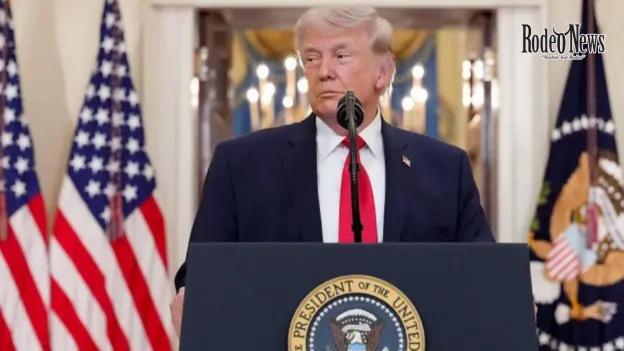
The Trump Iran war entered a critical and dangerous phase on April 6, 2026, as U.S. President Donald Trump issued a final ultimatum to Iran: reopen the Strait of Hormuz or face devastating military strikes.
This warning marks one of the most intense moments in the ongoing Middle East conflict, with global markets, governments, and military forces closely watching what could happen next.
The Strait of Hormuz — one of the world’s most important oil shipping routes — has become the central flashpoint of the war, and its closure is already shaking the global economy.
What Triggered the Latest Trump Iran War Crisis
The escalation follows weeks of intense fighting between the United States, Israel, and Iran. The situation worsened after Iran restricted access to the Strait of Hormuz, a move that has disrupted global oil supplies.
According to reports, tanker traffic in the region has dropped dramatically, raising fears of economic instability and supply shortages worldwide.
In response, Trump issued a blunt and aggressive warning, demanding Iran reopen the waterway immediately or face what he described as overwhelming military retaliation.
Reuters reported that Trump threatened severe attacks on Iran’s infrastructure if the strait remains closed.
Trump’s “All Hell” Warning Raises Global Alarm
Trump’s rhetoric has drawn widespread attention due to its intensity. In a series of statements, he warned that failure to comply would result in massive strikes targeting Iran’s power plants, bridges, and energy facilities.
The president’s message was clear:
- Reopen the Strait of Hormuz immediately
- Accept ceasefire conditions
- Or face large-scale destruction
This aggressive stance has sparked criticism from lawmakers and international observers, with some warning that targeting civilian infrastructure could violate international law.
Meanwhile, Iran has rejected the pressure, signaling it will not reopen the strait under threats.
Ceasefire Talks Offer a Glimmer of Hope
Despite escalating threats, diplomatic efforts are still underway.
A Pakistan-brokered ceasefire proposal has emerged as a potential path forward. The plan includes:
- Immediate ceasefire
- Reopening of the Strait of Hormuz
- Negotiations within 15–20 days
However, Iran remains cautious and has not agreed to the proposal.
Experts warn that while negotiations are ongoing, the window for diplomacy is rapidly closing as military actions continue to intensify.
Military Escalation Intensifies Across the Region
At the same time, the battlefield situation continues to deteriorate.
Recent developments include:
- U.S. and Israeli airstrikes targeting Iranian positions
- The reported killing of a top Iranian intelligence official
- Iranian retaliatory missile and drone attacks across the region
These actions have expanded the conflict beyond Iran, affecting countries across the Middle East.
According to reports, strikes have hit key infrastructure sites, including petrochemical facilities and urban areas, causing casualties and widespread damage.
Dramatic U.S. Rescue Mission Signals War Complexity
One of the most dramatic moments in the Trump Iran war came with the rescue of a U.S. airman shot down inside Iran.
American forces carried out a high-risk operation deep in hostile territory, successfully extracting the pilot and avoiding what could have been a major political and military crisis.
The rescue highlighted both the capabilities of U.S. forces and the growing risks of direct confrontation.
However, reports also indicate that Iran has successfully downed additional U.S. aircraft, raising concerns about the balance of power in the conflict.
Global Economic Shock: Oil Prices Surge
The conflict is already having a major impact on the global economy.
The Strait of Hormuz is responsible for transporting roughly one-fifth of the world’s oil supply. Any disruption to this route sends shockwaves through energy markets.
Recent reports show:
- Oil prices rising above $100 per barrel
- Increased inflation concerns globally
- Delayed expectations for interest rate cuts
Markets remain volatile as investors wait to see whether the situation escalates further or moves toward a ceasefire.
Why the Strait of Hormuz Matters So Much
The Strait of Hormuz is a narrow but vital waterway connecting the Persian Gulf to global markets.
Its importance cannot be overstated:
- It is a key route for oil exports from major producers
- It supports global energy stability
- It affects food and supply chains worldwide
With Iran controlling access to the strait, it has significant leverage in the conflict.
Experts say that prolonged closure could trigger:
- Global recession risks
- Energy shortages
- Rising geopolitical tensions
International Reactions and Rising Tensions
The international community is increasingly alarmed.
Russia has warned that the Middle East is “on fire,” reflecting fears that the conflict could spread further.
Meanwhile:
- European leaders have condemned attacks on civilian infrastructure
- Gulf countries are on high alert
- Global shipping and trade routes are under threat
The risk of a broader regional war is growing by the day.
What Happens Next in the Trump Iran War?
The coming days are critical.
Trump’s deadline for Iran to reopen the Strait of Hormuz is fast approaching, and the consequences of non-compliance could be severe.
Possible scenarios include:
1. Full Military Escalation
If Iran refuses to comply, the U.S. could launch large-scale strikes on Iranian infrastructure, significantly expanding the war.
2. Temporary Ceasefire
Diplomatic efforts could succeed, leading to a short-term pause in fighting and reopening of the strait.
3. Prolonged Stalemate
Both sides could continue limited attacks without a decisive outcome, prolonging instability.
Each scenario carries major risks not just for the region, but for the entire world.
Conclusion: A Defining Moment in Global Politics
The Trump Iran war has reached a pivotal moment that could reshape global geopolitics.
With military threats escalating, economic pressures mounting, and diplomatic efforts hanging in the balance, the world is watching closely.
The Strait of Hormuz remains at the center of it all — a narrow waterway now carrying the weight of global stability.
Whether this crisis ends in negotiation or further destruction will likely define the future of the Middle East and beyond.