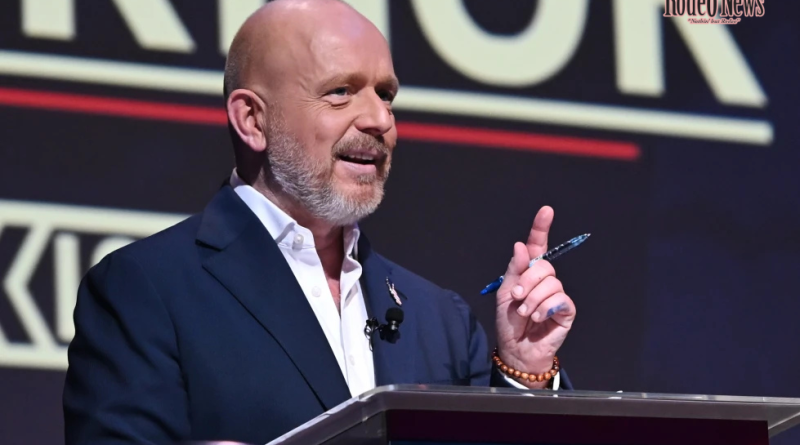
Sacramento, CA — President Donald Trump has officially endorsed Republican Steve Hilton in the 2026 California governor’s race, a move that could dramatically alter the dynamics of the state’s wide-open contest. Trump announced his support on Truth Social, calling Hilton a “truly fine man” and asserting that with the right leadership, California could experience a “major turnaround.”
The endorsement comes just a month before California’s June 2 top-two primary, where all candidates — Republican, Democrat, or independent — compete on the same ballot. The top two vote-getters will advance to the general election in November, making Trump’s backing a potentially decisive factor for conservative voters.
Who Is Steve Hilton?
Steve Hilton is a conservative commentator and former Fox News host, widely known for his strategic political analysis. Before moving to California, Hilton served as an advisor to former British Prime Minister David Cameron, bringing a unique international perspective to his political strategy. In California, Hilton has positioned himself as a reform-minded Republican who aims to tackle crime, economic challenges, and homelessness across the state.
Hilton’s primary GOP competition includes Riverside County Sheriff Chad Bianco, while the Democratic field features prominent figures such as Rep. Eric Swalwell, Rep. Katie Porter, and entrepreneur Tom Steyer. Analysts note that Trump’s endorsement may consolidate conservative support around Hilton, giving him a critical advantage in a fragmented Republican field.
Impact on the California Governor Race
Trump’s endorsement is expected to energize Republican voters, particularly those loyal to the former president. In a crowded primary, a high-profile endorsement can shift momentum significantly, helping one candidate break away from the pack. According to political strategists, Hilton now emerges as a front-runner among GOP contenders, potentially narrowing Bianco’s base and attracting undecided voters.
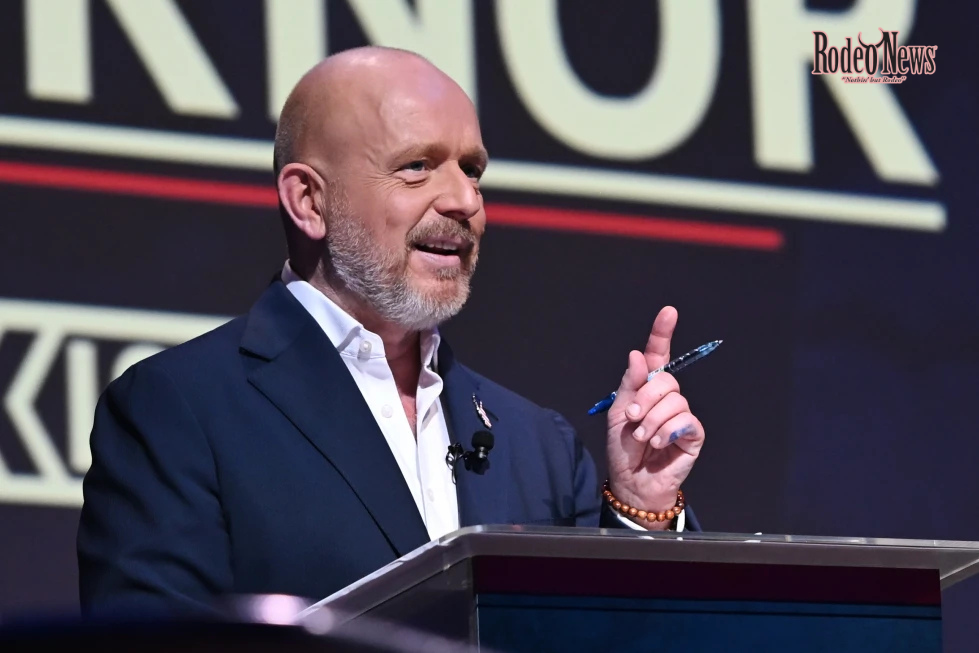
However, Trump’s polarizing presence in California — a state that has leaned Democratic in statewide elections for over two decades — could create challenges. While some Republicans may rally behind Hilton, the endorsement could also mobilize Democratic voters who view Trump’s influence negatively. This delicate balance underscores the strategic complexity of California’s top-two primary system, where candidates from any party can advance to the general election.
Trump’s Strategic Messaging
Trump framed his endorsement as a call to action for voters seeking change. In his Truth Social post, he praised Hilton’s leadership qualities and underscored the urgent need for reform in California. “Steve Hilton is a man of vision and strength,” Trump wrote. “With his leadership, California will finally experience the turnaround it deserves.”
The timing of the endorsement is notable. By announcing support a month before the primary, Trump positions Hilton to capitalize on media coverage, donor interest, and volunteer enthusiasm. Political observers suggest that this calculated move amplifies Hilton’s profile statewide, potentially giving him a significant edge over other GOP contenders.
Democratic Response and Statewide Implications
Democratic candidates have responded cautiously, emphasizing that Trump’s endorsement may not translate to broad appeal in California. Analysts point out that while Hilton may benefit from conservative consolidation, the endorsement could backfire if it alienates moderate and independent voters critical to winning a statewide race.
“The endorsement certainly gives Hilton visibility, but California’s electorate is not uniformly conservative,” noted political analyst Maria Gonzalez. “Trump’s backing could energize his base, but it might also push undecided voters toward Democratic candidates.”
Democrats remain focused on key issues such as climate policy, housing affordability, and healthcare, areas where they believe Republican candidates may struggle to gain traction. The top-two primary system allows for the possibility of two Democrats advancing, but if Republicans consolidate behind Hilton, the GOP could secure one spot in the November election, setting up a competitive general race.
Historical Context: Trump Endorsements in State Races
Trump’s endorsements in prior state-level elections have often played a decisive role in GOP primaries. From congressional races to gubernatorial contests, candidates who receive Trump’s backing typically experience heightened media attention, fundraising boosts, and increased volunteer activity.
In California, however, Trump’s influence is more nuanced. The state’s strong Democratic voter registration and progressive policy leanings mean that while an endorsement can help a Republican secure the primary, it does not guarantee success in the general election. Analysts emphasize that Hilton must now balance energizing the GOP base with appealing to moderates to remain competitive statewide.
Race Dynamics and Strategic Considerations
The 2026 California governor’s race is widely regarded as one of the most unpredictable in recent memory. With multiple high-profile Democrats and Republicans vying for the top-two primary slots, every endorsement, campaign event, and media appearance could tip the scales.
Trump’s support positions Hilton as a candidate capable of uniting the Republican electorate, particularly on issues such as public safety, taxation, and economic growth. Meanwhile, Democrats may capitalize on Trump’s polarizing reputation to consolidate their own base and increase voter turnout.
The endorsement also underscores the national significance of the California race. As the most populous state in the U.S., California’s political trends often signal broader shifts in national politics. Observers suggest that a competitive gubernatorial contest could influence fundraising, media coverage, and party strategy across the country.
Looking Ahead: Primary and General Election Prospects
With the primary scheduled for June 2, Hilton’s campaign now faces the challenge of converting Trump’s endorsement into measurable voter support. Campaign strategists expect increased media appearances, targeted advertising, and grassroots mobilization efforts to capitalize on the momentum.
For Democrats, the strategy remains focused on maintaining high voter engagement and emphasizing policy contrasts. Key issues such as climate change, economic recovery, and education are likely to dominate campaign messaging, particularly in contrast to Hilton’s Republican platform.
Political analysts predict that the general election will be closely contested, with the top-two primary outcome shaping the November matchup. If Hilton secures a primary spot alongside a Democrat, the race could become a national referendum on Trump-era influence, conservative policies, and California’s political future.
Conclusion
President Trump’s endorsement of Steve Hilton has reshaped the California governor’s race, injecting the GOP primary with heightened attention and strategic implications. While the support consolidates conservative voters, it also introduces challenges in appealing to a broader, often Democratic-leaning electorate.
As June approaches, all eyes are on California’s top-two primary. Hilton’s campaign now faces the dual task of leveraging Trump’s endorsement while building a statewide coalition capable of winning in November. The endorsement not only elevates Hilton’s profile but also signals that California’s governor’s race may carry outsized significance for national Republican strategy in 2026.