Trump Anthropic Meeting Raises Questions Over AI Policy
The Trump Anthropic meeting has quickly become one of the most talked-about developments in the evolving relationship between artificial intelligence companies and the United States government. What began as a routine policy discussion has turned into a moment of confusion, highlighting deeper issues within leadership coordination and AI governance.
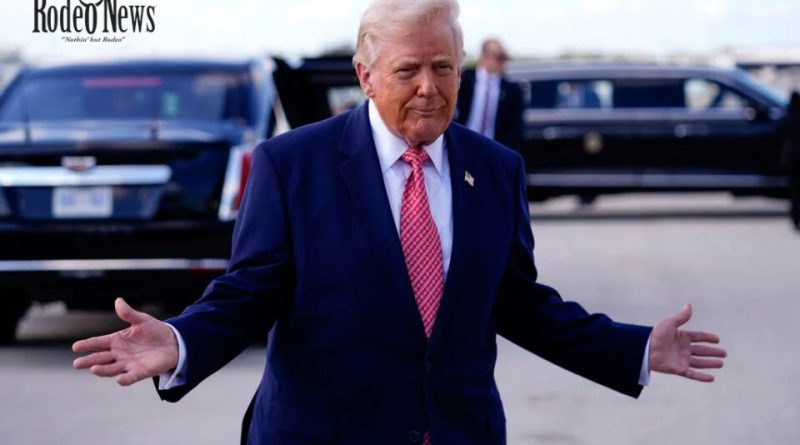
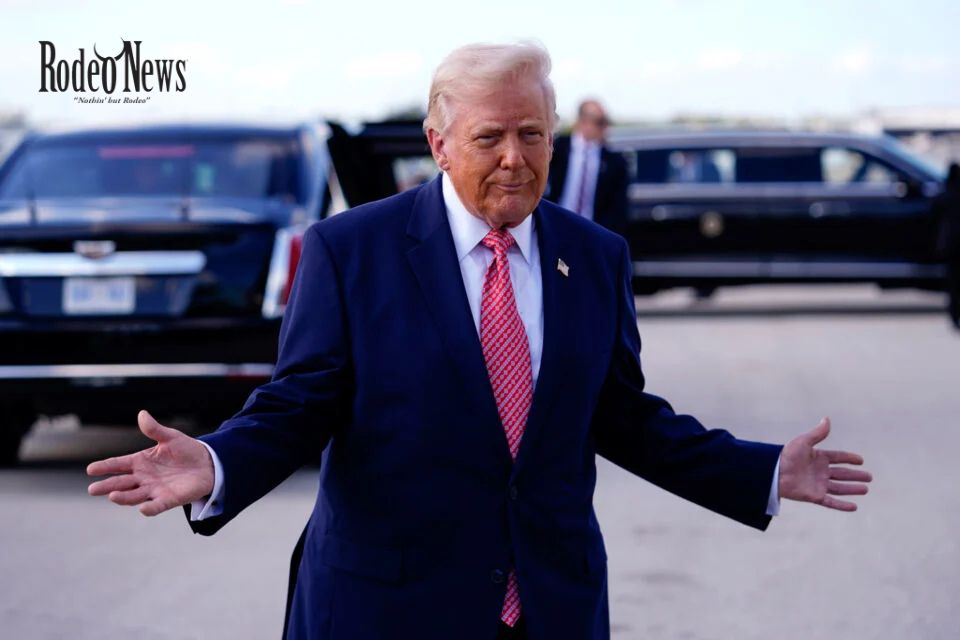
At the center of the story is a reported White House meeting involving Anthropic CEO Dario Amodei and senior officials. However, when former President Donald Trump was asked about the meeting, his response—simply “Who?”—sparked widespread attention and concern.
This unexpected reaction has intensified scrutiny over how AI policy is being handled at the highest levels of government.
What Happened During the Trump Anthropic Meeting
The Trump Anthropic meeting refers to discussions held at the White House between Anthropic leadership and key government officials. These talks reportedly included high-level figures responsible for shaping national economic and security strategies.
The purpose of the meeting was clear: to address the rapidly growing influence of artificial intelligence and its implications for national security, cybersecurity, and economic stability.
Officials described the meeting as productive. However, the broader narrative shifted dramatically after Trump appeared unaware of both the meeting and the individual involved.
This disconnect has fueled debate about internal communication and decision-making processes within the administration.
Who Is Dario Amodei and Why He Matters
To understand the significance of the Trump Anthropic meeting, it is essential to look at the key figure involved—Dario Amodei.
Amodei is the CEO of Anthropic, one of the most influential artificial intelligence companies in the world. The company has positioned itself as a leader in developing safe and ethical AI systems.
Unlike some competitors, Anthropic emphasizes strict safety protocols and responsible AI deployment. This approach has earned the company both praise and criticism, particularly from government entities seeking broader access to advanced AI tools.
Therefore, Amodei’s presence at the White House signals the growing importance of AI companies in shaping national policy.
Why the Trump Anthropic Meeting Matters for AI Policy
The Trump Anthropic meeting is not just about a single conversation. Instead, it reflects a much larger shift in how governments interact with AI developers.
Artificial intelligence is no longer a niche technology. It now plays a central role in:
- Cybersecurity defense
- Military strategy
- Economic competitiveness
- Infrastructure protection
Because of this, governments are increasingly seeking partnerships with private AI companies.
However, this relationship is complicated. On one hand, companies like Anthropic offer cutting-edge technology. On the other, they impose restrictions designed to prevent misuse.
This tension was evident in the discussions surrounding the meeting.
Tensions Between Government and Anthropic
The Trump Anthropic meeting comes after a period of strained relations between the U.S. government and Anthropic.
Previously, the company faced scrutiny over its refusal to allow unrestricted use of its AI systems for military purposes. This decision led to concerns about whether the company could be fully integrated into national security operations.
At one point, Anthropic was even labeled a potential risk in certain government contexts.
Despite this, the recent meeting suggests a possible shift toward renewed cooperation.
This shift highlights a critical reality: even amid disagreements, governments cannot ignore the capabilities of leading AI firms.
The Role of AI in National Security
A major focus of the Trump Anthropic meeting was the role of artificial intelligence in national security.
Modern AI systems are capable of identifying vulnerabilities in complex networks. They can predict cyber threats, detect anomalies, and even simulate potential attack scenarios.
However, these same capabilities can also be used offensively if they fall into the wrong hands.
This dual-use nature of AI creates a dilemma for policymakers. They must balance innovation with control, ensuring that technology strengthens security without introducing new risks.
The meeting reportedly addressed these concerns, emphasizing the need for responsible collaboration.
Trump’s Reaction Sparks Debate
Perhaps the most controversial aspect of the Trump Anthropic meeting is Trump’s reaction to it.
When asked about the meeting, his response suggested he was unfamiliar with both the event and Dario Amodei. This moment quickly gained traction across media platforms.
Critics argue that such a response indicates a lack of coordination within leadership. Supporters, however, suggest it may reflect the fast-paced nature of policy discussions in emerging fields like AI.
Regardless of interpretation, the incident has raised important questions about oversight and communication.
A Broader Shift in AI Governance
The Trump Anthropic meeting is part of a larger trend in global AI governance.
Countries around the world are racing to establish frameworks that regulate artificial intelligence while still encouraging innovation.
In the United States, this effort involves collaboration between government agencies and private companies. Meetings like this one are essential for aligning goals and addressing challenges.
However, they also expose gaps in understanding and coordination.
As AI continues to evolve, these gaps could have significant consequences.
Industry Reaction to the Trump Anthropic Meeting
The tech industry has been closely watching developments surrounding the Trump Anthropic meeting.
Many experts see it as a sign that AI companies are becoming central players in policy discussions. This shift represents a departure from traditional government-led decision-making.
Instead, it reflects a more collaborative model, where private sector expertise informs public policy.
However, this model is not without risks. It raises questions about accountability, transparency, and the balance of power between corporations and governments.
What Comes Next for AI Policy
Looking ahead, the impact of the Trump Anthropic meeting is likely to extend beyond this single event.
It may influence future discussions on:
- AI regulation
- Public-private partnerships
- Cybersecurity strategies
- Ethical AI development
Moreover, it highlights the urgency of establishing clear communication channels within government leadership.
Without such coordination, even the most well-intentioned initiatives can face challenges.
Conclusion: A Defining Moment for AI and Leadership
The Trump Anthropic meeting serves as a powerful example of how quickly the landscape of artificial intelligence is changing.
It reveals both the opportunities and the challenges of integrating advanced technology into national policy.
On one hand, the meeting demonstrates a willingness to engage with leading AI companies. On the other, it exposes gaps in awareness and coordination that could hinder progress.
As the world moves deeper into the AI era, moments like this will shape the future of governance, security, and innovation.
Ultimately, the story is not just about one meeting or one response. It is about the evolving relationship between technology and power—and how leaders adapt to a rapidly changing world.