Tesla Cybercab NHTSA Investigation: 5 Key Facts
The Tesla Cybercab NHTSA investigation has begun just as Tesla starts deploying its purpose-built driverless vehicle commercially in Austin, Texas. The U.S. National Highway Traffic Safety Administration, or NHTSA, opened an Audit Query on September 4 to examine how Tesla determined that the Cybercab complies with federal motor vehicle safety standards. NNHTSA
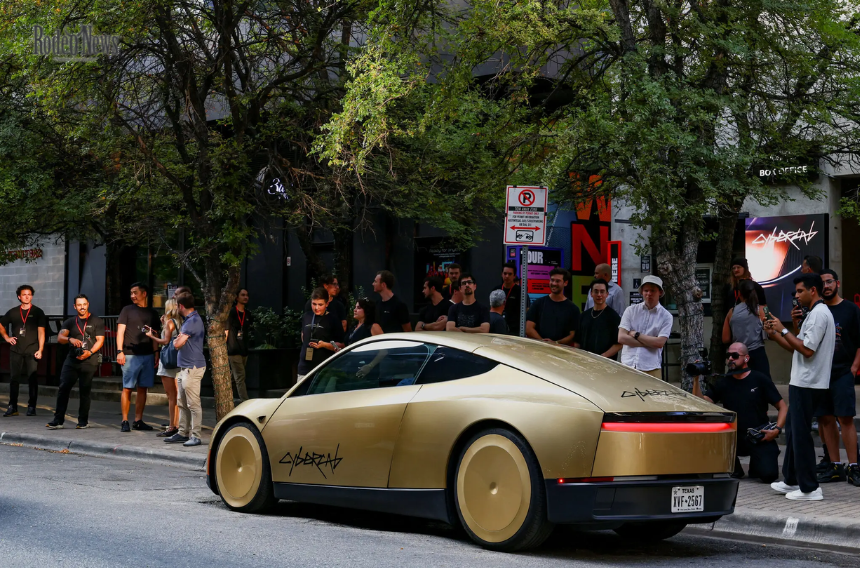
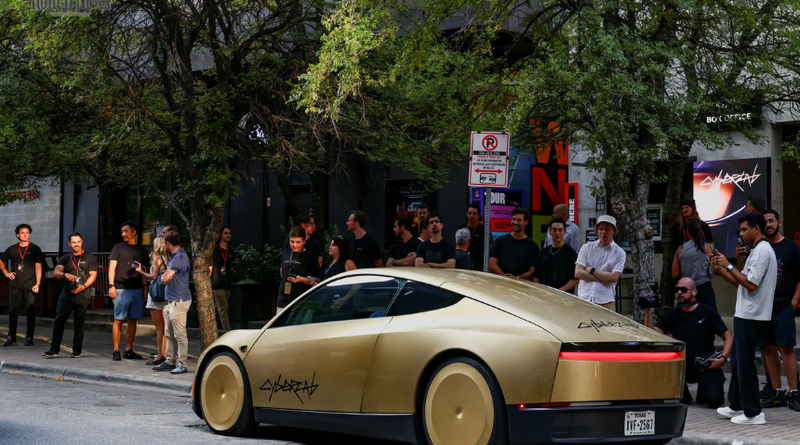
The investigation puts a major spotlight on Tesla’s strategy for launching autonomous vehicles without conventional driving controls. The Cybercab is designed without a traditional steering wheel, accelerator pedal or brake pedal, while NHTSA says it is examining whether Tesla’s certification properly accounted for existing federal requirements.
The timing is particularly significant. Tesla’s Austin deployment represents an important step in CEO Elon Musk’s long-running plan to build a large robotaxi business based on fully autonomous vehicles.
However, the regulatory questions surrounding the Cybercab could become an important test for that strategy.
Tesla Cybercab NHTSA Investigation Begins After Austin Launch
The Tesla Cybercab NHTSA investigation follows Tesla’s commercial deployment of the vehicle in Austin.
According to NHTSA, Tesla certified the Cybercab as compliant with applicable Federal Motor Vehicle Safety Standards, known as FMVSS. The agency has now opened an Audit Query to examine the technical information and processes behind that certification. NNHTSA
NHTSA specifically said the inquiry will consider whether Tesla’s compliance framework relied on determinations that certain federal safety requirements were not applicable to a vehicle designed to operate autonomously.
That distinction matters.
Automakers in the United States generally certify their own vehicles as compliant with federal safety standards. NHTSA can subsequently review those certifications and investigate vehicles that may not comply with applicable requirements.
In this case, the unusual design of the Cybercab appears to be at the center of the regulatory question.
Why the Cybercab Has Attracted Regulatory Attention
Unlike conventional passenger cars, the Cybercab was designed around the idea that there is no need for a human driver to take control.
The vehicle does not have permanently attached conventional controls such as a steering wheel, accelerator pedal or brake pedal. NHTSA also identified mirrors among the traditional equipment absent from the vehicle. IInsurance Journal
That creates a complicated regulatory issue.
Many existing vehicle safety standards were written around the assumption that a human occupant will be capable of controlling the vehicle. A fully autonomous vehicle challenges some of those assumptions because the vehicle’s software, sensors and other systems are expected to perform functions traditionally handled by a driver.
NHTSA acknowledged that federal regulators are already considering changes to some vehicle standards as autonomous technology develops.
The agency said it has been working on multiple rulemakings involving areas such as brake pedals, windshield wipers, lighting and rearview mirrors. However, existing standards remain in effect until they are changed. NNHTSA
That creates the central question behind the Cybercab probe: Did Tesla correctly determine which existing standards applied to its unconventional autonomous vehicle?
What NHTSA Will Examine
The federal investigation does not simply ask whether the Cybercab looks different from a conventional vehicle.
Instead, NHTSA said the Audit Query will examine the technical data and processes Tesla relied on when it self-certified the Cybercab.
The agency will also consider whether Tesla’s certification depended on determinations that specific FMVSS requirements were inapplicable to the vehicle. NNHTSA
This could make the investigation important beyond Tesla.
If regulators conclude that existing standards were interpreted incorrectly, the decision could affect how other automakers approach autonomous vehicles with unusual designs.
The investigation could therefore become part of a larger debate about whether America’s vehicle safety regulations are keeping pace with autonomous technology.
NHTSA Administrator Jonathan Morrison said the agency supports the development and deployment of automated vehicles while emphasizing that federal laws still need to be followed. NNHTSA
Tesla Cybercab Deployment Targets Robotaxi Growth
Tesla has positioned the Cybercab as a key part of its broader robotaxi strategy.
The company began limited commercial deployment in Austin, where the new vehicle is joining an autonomous transportation push that already involves Tesla vehicles operating through its robotaxi network. Reuters reported that Tesla planned to gradually expand the service to additional vehicles and locations. RReuters+1
The Cybercab’s design is particularly important to Tesla’s long-term vision because it was built specifically for autonomous operation rather than adapted from a conventional vehicle.
That could potentially reduce costs and simplify the vehicle’s interior.
But the same design choices are now attracting regulatory scrutiny.
The absence of conventional driver controls means Tesla cannot simply rely on the traditional architecture of a human-driven vehicle. Instead, the company has to demonstrate that its autonomous design satisfies the safety requirements that apply to it.
Up to 1,000 Cybercabs Are Covered by the Inquiry
The scope of the investigation could be considerably larger than the number of vehicles initially operating in Austin.
Reuters reported that NHTSA’s inquiry covers approximately 1,000 Tesla Cybercabs. At the same time, state registration records indicated that only a smaller number had actually been registered in Texas at the time of the investigation. RReuters+1
Reuters reported that 45 Cybercabs were registered in Texas as of Friday morning, within a broader total of 420 autonomous Tesla vehicles registered in the state. IInsurance Journal
The difference between the number currently deployed and the number covered by the federal inquiry is significant.
It suggests that regulators are examining Tesla’s certification framework rather than simply reviewing isolated vehicles already carrying passengers.
That means the outcome could influence future production and deployment plans.
What the Investigation Could Mean for Tesla
The immediate impact of the Tesla Cybercab NHTSA investigation remains uncertain.
NHTSA has not announced that the Cybercab violates federal law. Instead, the agency is examining the basis for Tesla’s certification.
That distinction is important.
An investigation is not the same as a final finding that a vehicle is unsafe or illegal. Regulators still need to review Tesla’s technical information and determine whether the company’s interpretation of the applicable standards was correct.
Nevertheless, the investigation introduces additional uncertainty at a critical moment for Tesla.
The company is trying to transition its robotaxi ambitions from demonstrations and testing into a commercial service. Regulatory uncertainty could complicate that expansion if the agency determines that changes, additional evidence or corrective measures are required.
For investors and the autonomous vehicle industry, the case could therefore become an important regulatory milestone.
A Bigger Test for Autonomous Vehicle Regulation
The Cybercab dispute highlights a larger challenge facing the automotive industry.
Autonomous vehicles are developing faster than some of the rules originally written to regulate conventional automobiles.
Traditional safety standards often assume that vehicles contain a human driver who can steer, brake and respond to unexpected situations.
A fully autonomous vehicle changes that relationship.
Instead of asking whether a human driver can safely control a car, regulators increasingly have to consider whether sensors, software, electronic systems and autonomous driving technology can perform those functions reliably.
That creates a difficult balance.
Regulators want to encourage innovation while ensuring that vehicles operating around the public meet appropriate safety standards.
NHTSA’s current position reflects that tension. The agency says it supports automated vehicle development, but existing federal requirements remain applicable until they are formally changed. NNHTSA
Tesla’s Self-Certification System Faces Scrutiny
Another major element of the Tesla Cybercab NHTSA investigation is the self-certification process.
Unlike a system in which a regulator approves every vehicle before it enters the market, U.S. automakers generally certify that their vehicles comply with applicable federal safety requirements.
NHTSA then has authority to investigate and enforce those requirements.
That system allows manufacturers to bring products to market without waiting for individual government approval of every vehicle.
However, it also makes the manufacturer’s interpretation of complex regulations extremely important.
In Tesla’s case, NHTSA is examining the technical basis behind the company’s conclusion that the Cybercab meets applicable standards.
If the agency agrees with Tesla’s interpretation, the investigation could ultimately provide greater regulatory clarity for the vehicle.
If regulators disagree, Tesla could face additional requirements or restrictions involving the Cybercab’s design and deployment.
The Austin Launch Has Higher Stakes Than Expected
Tesla’s Cybercab launch was expected to showcase the company’s progress toward autonomous transportation.
Instead, the launch has immediately become a regulatory test.
The vehicle’s first commercial deployment puts Tesla’s approach directly in front of federal safety regulators at the same time that the company is trying to expand its robotaxi ambitions.
That combination makes the coming months important for Tesla.
The company will need to demonstrate not only that the Cybercab can operate without a human driver, but also that its unconventional design can fit within the existing U.S. regulatory framework.
The issue is particularly important because Tesla’s long-term robotaxi strategy depends on scaling autonomous vehicles.
A small pilot program can operate under limited conditions. A nationwide network requires much broader regulatory certainty.
What Happens Next?
The next stage of the Tesla Cybercab NHTSA investigation will likely focus on Tesla’s certification documents, technical data and interpretation of federal safety requirements.
NHTSA will determine whether Tesla’s certification adequately established compliance with the standards that apply to the Cybercab.
For now, the agency has not announced a final conclusion.
The investigation also comes as the U.S. government considers broader changes to federal vehicle standards for automated vehicles. That means the regulatory environment surrounding Cybercab could continue evolving even while the specific Tesla inquiry moves forward. NNHTSA
For Tesla, the outcome could have consequences well beyond Austin.
If the Cybercab receives regulatory validation, Tesla could gain a clearer path for expanding its driverless vehicle strategy. If regulators identify compliance problems, the company could face additional hurdles just as it attempts to scale robotaxi operations.
Bottom Line
The Tesla Cybercab NHTSA investigation is an important test of both Tesla’s autonomous vehicle strategy and America’s approach to regulating driverless cars.
NHTSA is not simply investigating a conventional vehicle accident or an isolated safety complaint. It is examining how Tesla certified a vehicle designed without many of the controls traditionally associated with automobiles.
The agency says it will review the technical data and processes behind Tesla’s certification, including the company’s determination that certain federal safety requirements may not apply to the Cybercab. NNHTSA
The investigation does not establish that Tesla violated federal safety standards. But it does demonstrate that the company’s unconventional approach is now facing direct federal scrutiny.
As Tesla expands its robotaxi ambitions, the Cybercab could become a defining test of whether autonomous vehicles can move from futuristic concept to mass-market transportation while remaining within the boundaries of existing safety law.
The outcome will matter not only to Tesla, but also to the wider autonomous vehicle industry.
Suggested External Sources
- NHTSA — Cybercab Self-Certification Investigation
- Tesla Official Website
Internal Link Recommendations
Because the target website/domain was not provided, add 2–3 relevant links from your own site, such as:
- Previous article about Tesla robotaxi
- Article about Tesla Full Self-Driving technology
- Article about autonomous vehicle regulations
- Article about Tesla stock or business strategy