Strait of Hormuz Crisis: Talks Progress but Tensions Remain
The Strait of Hormuz crisis continues to dominate global headlines as Iran signals limited progress in negotiations with the United States while keeping one of the world’s most critical shipping lanes effectively shut. Despite cautious optimism from both sides, significant disagreements remain, particularly over nuclear policy and maritime control, raising concerns about prolonged instability in global energy markets.
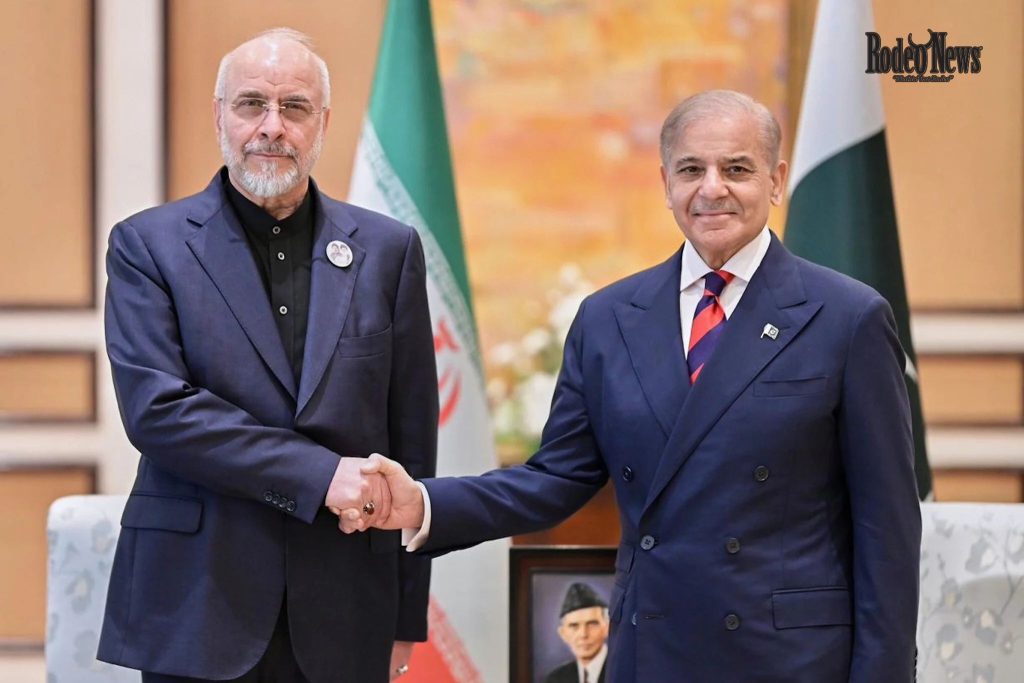
Iranian Parliament Speaker Mohammad Bagher Ghalibaf recently stated that negotiations have made “progress,” but warned that a considerable gap still separates the two sides from reaching a final agreement.
Fragile Progress in US-Iran Talks
Diplomatic discussions between Iran and the United States—mediated by Pakistan—have shown early signs of movement. According to Iranian officials, both sides now better understand each other’s positions, which could pave the way for future agreements.
However, Ghalibaf emphasized that the negotiations are still far from complete. Key sticking points include Iran’s nuclear ambitions and the status of the Strait of Hormuz, both of which remain highly sensitive issues.
Recent reports indicate that although both Washington and Tehran have expressed optimism, major disagreements persist, preventing any immediate breakthrough.
Meanwhile, U.S. leadership has echoed a more positive tone, suggesting that discussions are “working out,” even as tensions remain high on the ground.
Strait of Hormuz Remains Shut
Despite talk of diplomatic progress, the Strait of Hormuz remains largely closed or heavily restricted, posing a major threat to global trade.
Iran has asserted control over the strategic waterway and warned that it will not reopen fully unless the United States lifts its naval blockade.
The strait is a vital global chokepoint through which roughly a quarter of the world’s seaborne oil typically flows. Disruptions here have immediate consequences for global energy prices and supply chains.
Shipping traffic has reportedly dropped to near zero at times during the crisis, with vessels either rerouting or waiting offshore due to safety concerns.
Root Causes of the Crisis
The current Strait of Hormuz crisis is part of a broader conflict that escalated earlier in 2026 following U.S. and Israeli military strikes on Iran.
In response, Iran launched retaliatory attacks and moved to close the strait, citing security concerns and what it describes as illegal aggression.
Tensions escalated further when the United States imposed a naval blockade on Iran in April, targeting ships entering or leaving Iranian ports.
Iran has repeatedly stated that it considers the blockade an act of “piracy” and has tied any reopening of the strait to its removal.
Escalation at Sea
The situation in the Persian Gulf has become increasingly volatile, with multiple incidents involving commercial vessels.
Reports indicate that ships attempting to pass through the Strait of Hormuz have been turned away or even fired upon, highlighting the risks faced by maritime operators.
Additionally, thousands of seafarers remain stranded due to halted shipping routes, further underscoring the humanitarian and economic impact of the crisis.
The ongoing standoff has created an atmosphere of uncertainty, with shipping companies reluctant to resume operations without clear security guarantees.
Global Oil Market Impact
The Strait of Hormuz crisis has sent shockwaves through global energy markets.
Oil prices have fluctuated sharply as traders react to the uncertainty surrounding one of the world’s most important oil transit routes. The disruption has already resulted in massive losses, with estimates suggesting tens of billions of dollars in lost crude supply.
Countries heavily dependent on Middle Eastern oil exports—particularly in Asia—are closely monitoring the situation, as prolonged disruptions could trigger broader economic instability.
Diplomatic Challenges Ahead
Despite some positive rhetoric, the path to a lasting agreement remains complicated.
Iran has made it clear that certain demands—such as relinquishing enriched uranium—are non-negotiable.
At the same time, the United States continues to insist on strict conditions, including limitations on Iran’s nuclear program and regional influence.
These opposing positions have made it difficult to reach common ground, even as both sides acknowledge the importance of avoiding further escalation.
Ceasefire Pressure and Deadlines
The urgency of the negotiations is heightened by the looming expiration of a temporary ceasefire agreement.
If no deal is reached before the deadline, there is a significant risk of renewed military confrontation, which could further destabilize the region.
U.S. officials have already hinted at potential military action if talks fail, while Iran has warned of continued restrictions on maritime traffic.
Strategic Importance of the Strait
The Strait of Hormuz is not just a regional issue—it is a global lifeline for energy supplies.
Connecting the Persian Gulf to international markets, the narrow waterway is essential for transporting oil and liquefied natural gas.
Any disruption here has immediate ripple effects across the global economy, affecting fuel prices, inflation, and supply chains worldwide.
What Happens Next?
Looking ahead, the future of the Strait of Hormuz crisis will depend largely on the outcome of ongoing negotiations.
There are three possible scenarios:
1. Breakthrough Agreement
A successful deal could lead to the reopening of the strait, stabilization of oil markets, and a reduction in regional tensions.
2. Prolonged Stalemate
If talks continue without resolution, the current situation may persist, with ongoing disruptions and economic uncertainty.
3. Renewed Conflict
Failure to reach an agreement could result in escalated military action, further complicating the crisis and increasing global risks.
Conclusion
The Strait of Hormuz crisis remains one of the most critical geopolitical challenges of 2026.
While recent talks between Iran and the United States offer a glimmer of hope, the continued closure of the strait underscores the fragility of the situation.
With global energy markets, international trade, and regional stability all at stake, the world is watching closely as negotiations unfold.
Until a comprehensive agreement is reached, uncertainty will continue to define the crisis—making it a key issue for governments, businesses, and consumers worldwide.