
Strait of Hormuz Crisis: 5 Shocking Ceasefire Truths
The Strait of Hormuz crisis has entered a volatile new phase as the United States pauses its military operation while insisting a fragile ceasefire with Iran still holds. The situation, unfolding in one of the world’s most critical oil chokepoints, is reshaping global markets, diplomacy, and military strategy.
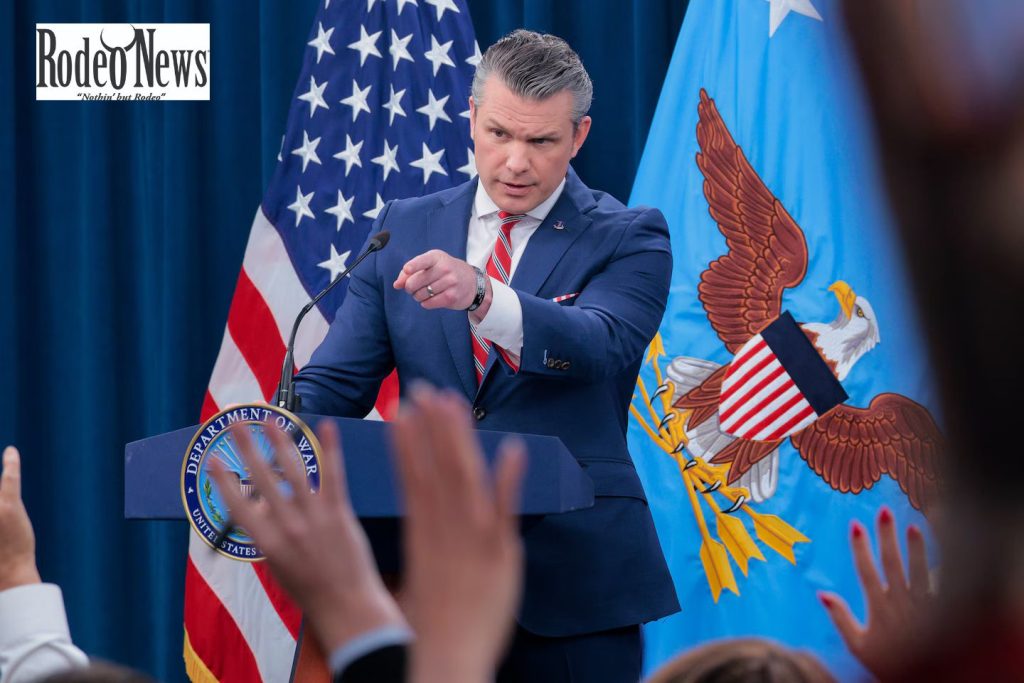
Recent briefings by U.S. Defense Secretary Pete Hegseth reveal a complex picture: while open warfare has not resumed, tensions remain dangerously high. Meanwhile, President Donald Trump has temporarily halted a key naval mission aimed at reopening shipping lanes, signaling a potential pivot toward diplomacy.
Below are five crucial truths that define the current crisis.
1. The Ceasefire Is Holding—But Barely
Despite repeated clashes in the Persian Gulf, U.S. officials insist that the ceasefire with Iran remains intact. Hegseth has emphasized that recent attacks fall below the threshold required to reignite full-scale war.
However, the reality is far from stable. Iranian forces have reportedly launched multiple attacks on commercial ships and U.S. positions since April, while American forces have responded with defensive strikes.
This uneasy balance creates a dangerous gray zone: neither peace nor outright war. Analysts warn that even a single miscalculation could rapidly escalate the situation.
2. The U.S. Military Operation Has Been Paused
One of the most surprising developments in the Strait of Hormuz crisis is the sudden pause of “Project Freedom,” a U.S.-led mission designed to escort commercial vessels through the strait.
The operation had just begun when Trump ordered a temporary halt, reportedly to allow diplomatic negotiations to proceed.
This decision reflects mounting international pressure, including appeals from regional partners such as Pakistan. It also highlights the delicate balance between military action and diplomacy.
Still, the pause does not mean the mission is over. U.S. officials have made clear that military options remain on the table if talks fail.
3. Thousands of Ships and Sailors Are Trapped
Perhaps the most alarming aspect of the Strait of Hormuz crisis is the scale of disruption to global shipping.
More than 1,500 vessels and over 22,000 mariners remain stranded in the Persian Gulf, unable to safely pass through the narrow waterway.
This bottleneck has significant consequences:
- Delays in global oil shipments
- Rising insurance costs for shipping companies
- Increased risk for civilian crews
The strait handles a substantial portion of the world’s oil supply, making any disruption a global economic concern.
4. Iran Continues Low-Level Attacks
Even as both sides publicly support the ceasefire, Iran has continued what U.S. officials describe as “low-level hostilities.”
These include:
- Missile and drone launches
- Seizures of commercial vessels
- Harassment of naval traffic
According to U.S. officials, these actions are calculated to avoid triggering a full-scale response while still applying pressure.
Iran, however, disputes many of these claims and has accused the United States of violating the ceasefire through its military operations.
This mutual distrust further complicates efforts to stabilize the region.
5. Global Economic Risks Are Rising
The Strait of Hormuz crisis is not just a regional conflict—it is a global economic threat.
Oil prices have already shown signs of volatility due to reduced shipping activity. At peak disruption, the strait’s closure can significantly impact energy markets worldwide.
Key risks include:
- Fuel price spikes across major economies
- Supply chain disruptions
- Increased geopolitical uncertainty
In previous days, crude oil prices surged as the crisis intensified, reflecting market fears over prolonged instability.
For countries heavily dependent on Middle Eastern oil, the stakes are particularly high.
A Fragile Balance Between War and Diplomacy
The current phase of the Strait of Hormuz crisis highlights a delicate balancing act. On one hand, the United States is demonstrating military strength through naval deployments and air patrols. On the other, it is stepping back—at least temporarily—to allow diplomatic efforts to take shape.
Hegseth has stressed that the mission to secure shipping lanes is separate from broader hostilities, suggesting a dual-track strategy: containment and negotiation.
Yet, the risks remain enormous.
Why the Strait of Hormuz Matters
To understand the scale of the crisis, it is essential to recognize the strategic importance of the Strait of Hormuz.
This narrow passage connects the Persian Gulf to global markets and serves as a critical artery for energy exports. Any disruption can ripple across the global economy within days.
That is why both military and diplomatic efforts are focused intensely on the region.
What Happens Next?
The future of the Strait of Hormuz crisis depends on several key factors:
1. Diplomatic Progress
If negotiations succeed, the U.S. pause could evolve into a broader de-escalation.
2. Iranian Strategy
Continued low-level attacks could push tensions beyond the ceasefire threshold.
3. International Pressure
Countries reliant on oil shipments may play a larger role in pushing for stability.
4. U.S. Military Decisions
Washington retains the capability to rapidly resume operations if necessary.
The Bottom Line
The Strait of Hormuz crisis is far from over. While officials insist the ceasefire holds, ongoing clashes, stranded ships, and rising economic risks paint a far more uncertain picture.
In reality, the situation represents a precarious midpoint—where diplomacy and conflict coexist, and where the next move by either side could determine whether the world edges toward stability or slips back into open war.
For now, all eyes remain on the strait.