Russia North Korea Military Cooperation: 5 Key Revelations
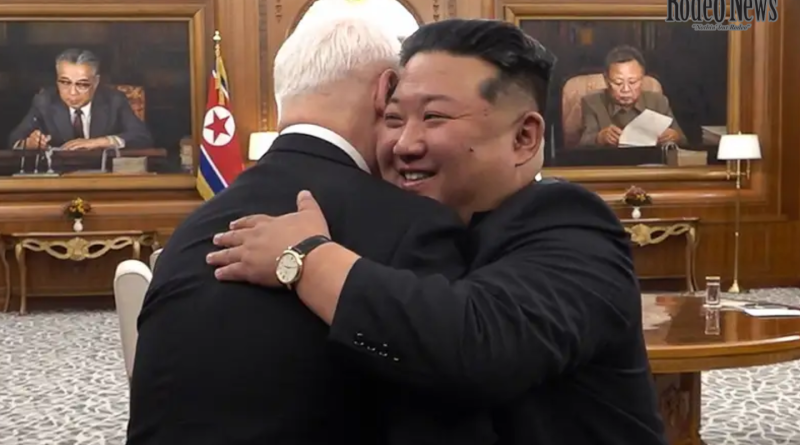
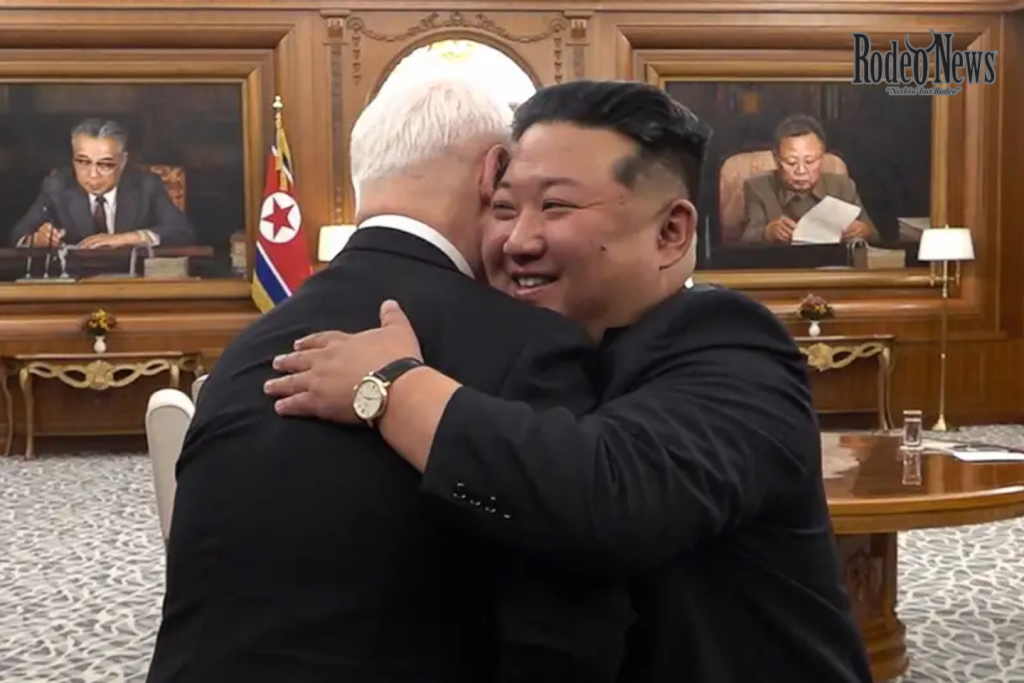
Russia and North Korea have taken a significant step toward deepening their strategic alliance, announcing a long-term military cooperation agreement that could reshape global geopolitics. The deal, confirmed during high-level meetings in Pyongyang, signals a new phase in relations between the two heavily sanctioned nations.
The Russia North Korea military cooperation agreement is not just symbolic. It reflects a growing partnership fueled by shared geopolitical interests, particularly amid the ongoing war in Ukraine and increasing tensions with Western powers.
Below are five key revelations that explain what this agreement means for the world.
1. A Long-Term Military Strategy Through 2031
One of the most striking aspects of the agreement is its duration. Officials confirmed that both countries plan to formalize military cooperation for the period between 2027 and 2031.
This long-term framework suggests that the partnership is not temporary or limited to current conflicts. Instead, it is a structured, strategic alliance designed to evolve over time.
The move reflects a broader shift in global power alignment. Rather than acting independently, both nations are building a sustained military relationship that could influence regional and global security dynamics for years to come.
2. Deepening Ties Rooted in the Ukraine War
The foundation of the Russia North Korea military cooperation agreement lies in their collaboration during the Ukraine conflict. North Korea has reportedly provided troops, missiles, and munitions to support Russian operations.
Estimates suggest that thousands of North Korean soldiers were deployed, particularly in Russia’s Kursk region.
This involvement marks a significant escalation from earlier forms of support, which were primarily diplomatic or limited to arms supplies. Now, North Korea is actively participating on the battlefield, gaining real combat experience in the process.
Meanwhile, Russia benefits from additional manpower and resources, helping sustain its military campaign despite international sanctions and prolonged conflict.
3. Mutual Benefits: Weapons for Resources and Technology
The partnership is not one-sided. In exchange for military support, North Korea is believed to be receiving substantial benefits from Russia.
These include:
- Financial assistance
- Food and energy supplies
- Advanced military and technological support
Such exchanges are critical for North Korea, which faces severe economic restrictions due to international sanctions.
For Russia, the arrangement provides access to additional military resources while strengthening alliances outside Western influence.
This mutual benefit structure reinforces the durability of the Russia North Korea military cooperation agreement, making it more than just a political gesture.
4. Built on a 2024 Mutual Defense Treaty
The current agreement builds on a broader strategic framework established in 2024, when both countries signed a comprehensive partnership treaty that includes a mutual defense clause.
Under this treaty, both nations are obligated to provide military assistance to each other in the event of an attack.
This clause significantly raises the stakes. It effectively transforms their relationship into a formal alliance, similar to defense pacts seen in other parts of the world.
The new long-term cooperation plan can be seen as an extension of this treaty, operationalizing its principles into concrete military collaboration.
5. A Clear Message to the West
Beyond its military implications, the agreement sends a strong political signal. Both Russia and North Korea have positioned themselves in opposition to what they describe as Western dominance.
North Korean leader Kim Jong Un has openly expressed support for Russia’s policies, emphasizing alignment against Western influence.
This ideological alignment reinforces the strategic nature of the partnership. It is not just about military cooperation—it is about reshaping the global balance of power.
For Western nations, the agreement raises concerns about:
- Increased military coordination between adversarial states
- Potential technology transfers that could enhance North Korea’s capabilities
- The emergence of a more unified anti-Western bloc
Symbolism and Propaganda: Honoring Fallen Soldiers
The announcement of the Russia North Korea military cooperation deal coincided with symbolic events in Pyongyang, including the unveiling of a memorial honoring North Korean soldiers who died fighting alongside Russian forces.
These ceremonies serve multiple purposes:
- Reinforcing domestic support in North Korea
- Highlighting the sacrifices made in support of Russia
- Strengthening the narrative of a shared struggle
Such symbolism plays a crucial role in maintaining public backing for the alliance, especially in tightly controlled political environments.
Growing Military Capabilities and Global Concerns
Experts warn that North Korea’s direct involvement in combat could significantly enhance its military capabilities.
By participating in real-world warfare, North Korean forces gain:
- Tactical battlefield experience
- Exposure to modern military strategies
- Potential access to advanced Russian weapon systems
This raises concerns among global security analysts, particularly regarding future conflicts in East Asia.
At the same time, Russia may benefit from North Korea’s large standing army and weapons stockpiles, creating a mutually reinforcing cycle of military growth.
Economic and Strategic Implications
The agreement also has broader economic implications. As both countries face international sanctions, their cooperation offers a way to bypass restrictions.
For example:
- Russia can supply energy and food to North Korea
- North Korea can provide manpower and munitions
- Both countries can exchange technology outside traditional global systems
This alternative economic network could weaken the effectiveness of Western sanctions over time.
What Comes Next?
The Russia North Korea military cooperation agreement marks a turning point in international relations. It signals the emergence of a more coordinated alliance among countries seeking to challenge Western influence.
Looking ahead, key questions remain:
- Will the cooperation expand beyond military activities?
- How will Western nations respond?
- Could this alliance trigger new regional tensions or arms races?
The answers will shape the geopolitical landscape in the coming years.
Conclusion
The Russia North Korea military cooperation deal is more than just a bilateral agreement. It represents a strategic alignment with far-reaching implications for global security, economics, and diplomacy.
From long-term planning to battlefield collaboration, the partnership highlights a shift toward deeper alliances among nations operating outside Western frameworks.
As the world watches closely, one thing is clear: this agreement is not just about today’s conflicts—it is about the future of global power.