Oil Tanker Shortage Could Keep Gas Prices High
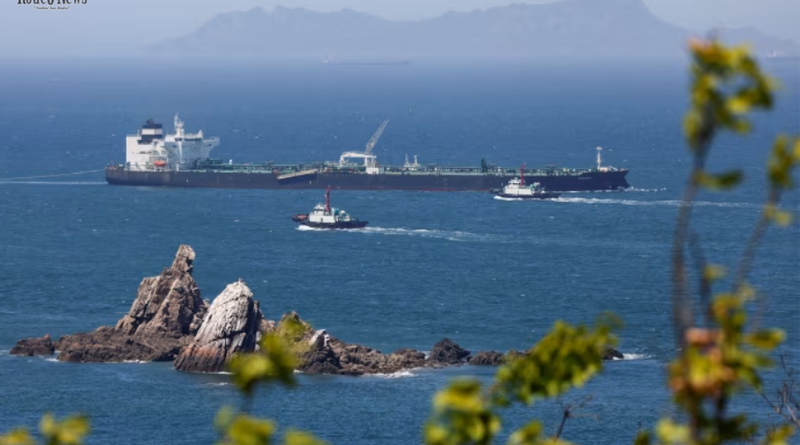
The global oil market is facing a new problem that goes beyond the availability of crude: there are not enough tankers to move it efficiently. An oil tanker shortage caused by continuing disruptions in the Middle East is pushing shipping costs sharply higher and could keep gasoline prices elevated even if crude oil prices begin to decline.
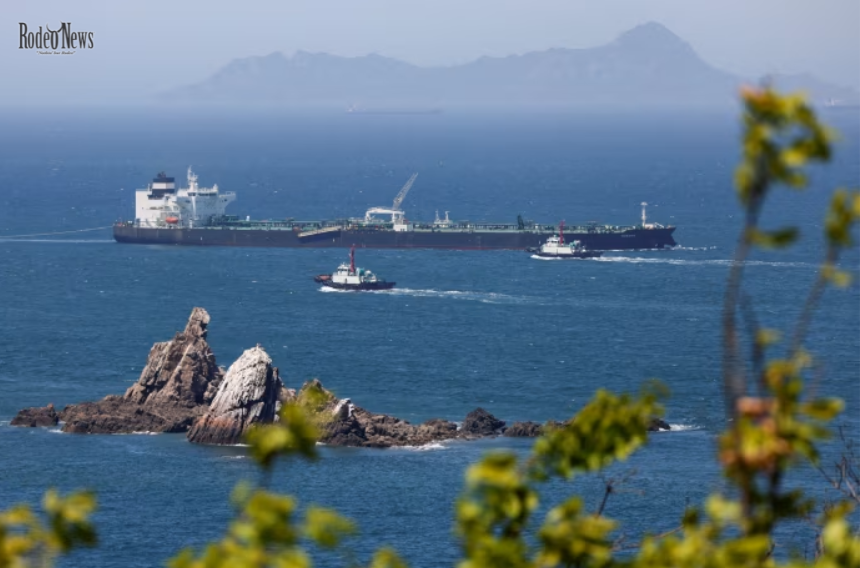
The problem has intensified after attacks disrupted Saudi Arabia’s East-West Pipeline, an important alternative route that allows crude to bypass the Strait of Hormuz. With that route under pressure, more Saudi oil is being redirected toward the Strait, increasing demand for an already stretched fleet of large crude carriers.
Oil Tanker Shortage Raises Shipping Costs
The immediate impact can be seen in the cost of hiring oil tankers.
Very Large Crude Carriers, commonly known as VLCCs, are among the largest ships used to transport crude oil. Their availability has become increasingly limited as vessels spend more time completing longer journeys or operating shuttle routes around the Gulf.
According to the latest figures cited in the Wall Street Journal report, the cost of hiring a VLCC for voyages through the Persian Gulf and Strait of Hormuz recently exceeded $1 million per day. Shipping costs on some routes have climbed to around $26 a barrel.
That is an unusually large expense for refiners. Transportation normally represents only a portion of the value of a crude shipment. When freight becomes this expensive, however, the delivered price of oil can remain high even when the underlying crude benchmark falls.
The trend is not limited to the Middle East. Tanker rates on major international routes have also climbed as ships are pulled into longer and more complicated journeys.
Global VLCC earnings recently reached hundreds of thousands of dollars per day, with average earnings almost doubling within a week, according to data cited in the report. Earlier in 2026, the U.S. Energy Information Administration also reported that Middle East-to-Asia VLCC rates had reached their highest levels in its available historical series.
Strait of Hormuz Adds Pressure
The Strait of Hormuz remains central to the crisis because it is one of the world’s most important energy shipping routes.
When alternative infrastructure is damaged or becomes unavailable, producers have fewer options for getting crude to international customers. That leaves more cargo dependent on tankers traveling through or operating near the Strait.
The result is a logistical bottleneck.
Saudi Arabia has been using ship-to-ship transfers as one workaround. In this system, crude is moved between vessels near the Gulf of Oman before continuing toward customers. The method can keep exports moving, but it also ties up additional ships that could otherwise carry other cargoes.
About 15% of the global VLCC fleet was recently positioned near Oman, according to research cited by the Wall Street Journal. Other vessels are taking much longer routes around the Cape of Good Hope, adding roughly two weeks to some journeys.
The longer voyages effectively reduce the number of ships available at any given time.
Saudi Oil Routes Face New Challenges
Saudi Arabia’s East-West Pipeline normally provides an important alternative to the Strait of Hormuz. It transports crude from the Persian Gulf toward the Red Sea, allowing oil to reach export terminals without making the entire journey through the strategic waterway.
Damage to the pipeline has therefore created another complication for the global oil market.
Saudi Aramco has warned some customers in Europe and Asia about potential delays or cancellations for September and October, according to people familiar with the company’s operations cited in the report. The situation could improve if partial pipeline operations are restored, but technical challenges remain.
Saudi-flagged vessels have also changed routes in response to security concerns around the Red Sea and Bab al-Mandeb Strait. Some ships are traveling around southern Africa instead, adding substantial time and expense to each voyage.
Why Gas Prices Could Stay Elevated
For consumers, the tanker problem matters because gasoline prices are influenced by much more than the headline price of crude oil.
Refiners must pay for crude, transportation, insurance and other costs before turning petroleum into gasoline, diesel and other products. When shipping becomes significantly more expensive, those additional costs can eventually reach fuel markets.
That means gasoline prices could remain under pressure even if crude prices stabilize or retreat.
The situation also creates uncertainty for refiners. A refinery may be able to purchase crude at an attractive price, but that advantage can disappear if transporting the cargo becomes prohibitively expensive.
Energy analysts have repeatedly pointed to the same risk: disruptions in major shipping routes can create a shortage of transportation capacity even when physical supplies of crude remain available. Earlier tanker-rate increases during the 2026 Hormuz crisis demonstrated how quickly security risks can translate into higher freight costs.
Global Oil Market Faces a Longer Test
The oil tanker shortage highlights a broader weakness in the global energy system. Oil production and oil transportation depend on a complex network of pipelines, ports, ships and strategic waterways.
If one part of that network is disrupted, the consequences can spread far beyond the original location.
For now, alternative shipping arrangements and longer routes are keeping crude moving. But those solutions have limits. More vessels are being consumed by shuttle operations, while other tankers are spending additional days at sea.
As a result, the cost of moving oil could remain elevated as long as security risks continue.
For motorists and businesses, the key issue is therefore not simply whether crude oil prices rise or fall. The cost of getting that oil from producers to refineries may become just as important.
With the global tanker fleet under increasing pressure, an oil tanker shortage could become a major factor keeping gasoline and other fuel prices higher for longer.