Iran War Ceasefire Talks: 7 Critical Updates Revealed
The Iran war ceasefire talks have entered a decisive phase, with global attention fixed on whether diplomacy can prevent a wider regional escalation. After weeks of intense conflict involving the United States, Iran, and Israel, negotiators have gathered for high-stakes discussions while violence continues in parts of the Middle East.
The situation remains volatile, particularly around the strategically vital Strait of Hormuz, where disruptions have already triggered global economic concerns. Here are seven critical developments shaping the crisis.
1. High-Stakes Diplomacy Begins in Islamabad
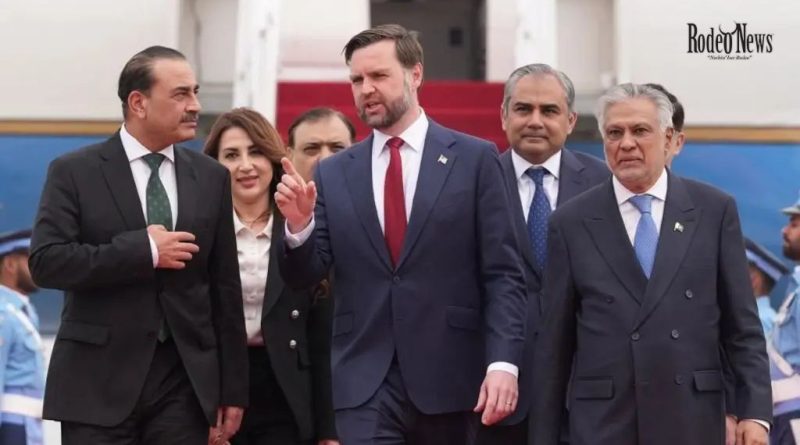
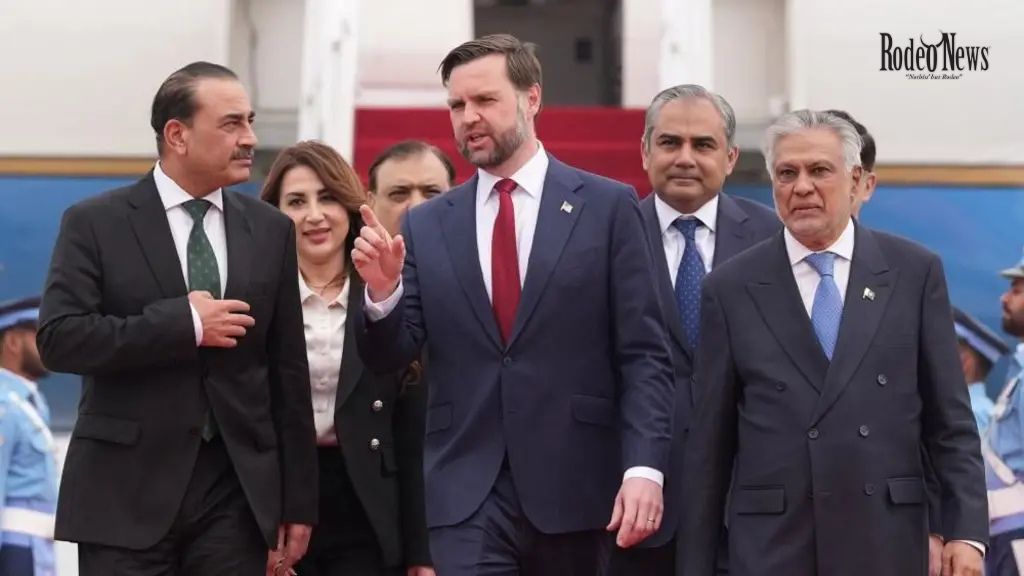
The latest round of Iran war ceasefire talks is taking place in Islamabad, where US and Iranian officials are attempting to negotiate terms for de-escalation.
The United States delegation is focused on preventing Iran from advancing its nuclear capabilities and restoring secure shipping routes. Meanwhile, Iran has set clear conditions, including sanctions relief and broader ceasefire guarantees.
These talks are widely seen as a “make-or-break” moment for regional stability, with multiple global powers closely monitoring the outcome.
2. Strait of Hormuz Remains the Central Flashpoint
A key issue in the Iran war ceasefire talks is control of the Strait of Hormuz, one of the world’s most critical energy corridors.
Roughly 20% of global oil supply typically flows through this narrow passage, making any disruption a major economic threat.
Although a temporary ceasefire has been announced, shipping remains heavily restricted. Iran has limited vessel movement and, in some cases, proposed charging tolls for passage.
This has caused sharp volatility in global energy markets and raised fears of prolonged supply shortages.
3. Ceasefire Exists — But Only on Paper
While officials have announced a ceasefire, the reality on the ground tells a different story.
Fighting has not fully stopped, and tensions continue to flare, particularly in Lebanon. Israel has maintained military operations against Hezbollah targets, which Iran insists must be included in any ceasefire agreement.
This disagreement has become a major obstacle in negotiations, with both sides accusing each other of violating the spirit of the truce.
4. Continued Violence in Lebanon Threatens Progress
One of the most dangerous elements undermining the Iran war ceasefire talks is the ongoing violence in Lebanon.
Israeli airstrikes have reportedly caused heavy casualties, while Hezbollah has launched retaliatory attacks.
Iran has made it clear that any long-term agreement must include protections for Lebanon, further complicating diplomatic efforts.
Without resolving this front, analysts warn that a broader regional war could still erupt.
5. Global Economy Feels Immediate Impact
The conflict has already triggered significant economic consequences worldwide.
The disruption of oil shipments through the Strait of Hormuz has led to rising energy prices, inflation concerns, and fears of slower global growth.
Economists warn that prolonged instability could lead to a wider economic downturn, especially in energy-dependent regions.
Meanwhile, countries across Europe and Asia are exploring alternative energy routes to reduce reliance on the strait.
6. Iran’s Strategic Leverage Over Oil Supply
Iran’s control over the Strait of Hormuz has become its most powerful negotiating tool in the Iran war ceasefire talks.
By restricting shipping and selectively allowing certain vessels to pass, Tehran has demonstrated its ability to influence global markets.
This strategy has increased pressure on Western nations, many of which depend heavily on stable energy supplies.
However, it has also raised concerns among allies like China, which rely on uninterrupted oil flows.
7. Threat of Renewed Military Action Looms
Despite ongoing negotiations, the possibility of renewed military escalation remains high.
US leadership has warned that failure in the Iran war ceasefire talks could lead to additional strikes, while Iran has signaled it is prepared to respond forcefully.
This fragile balance between diplomacy and military pressure underscores the urgency of reaching an agreement.
Why the Strait of Hormuz Matters So Much
To understand the stakes of the Iran war ceasefire talks, it is essential to grasp the importance of the Strait of Hormuz.
This narrow waterway connects the Persian Gulf to global markets and is a lifeline for energy exports. When it is disrupted, the effects ripple across the global economy.
Since the conflict began in late February 2026, shipping traffic has dropped dramatically, with some periods seeing near-total closure.
The longer the disruption continues, the greater the risk of long-term economic damage.
A Conflict With Global Consequences
The Iran war ceasefire talks are not just about regional politics—they have worldwide implications.
From rising fuel prices to supply chain disruptions, the effects of the conflict are being felt far beyond the Middle East.
Additionally, geopolitical alliances are shifting, with countries reassessing their security strategies and energy dependencies.
What Happens Next?
The coming days will be critical for the success of the Iran war ceasefire talks.
If negotiators can reach a comprehensive agreement, it could stabilize the region and restore confidence in global markets.
However, if talks collapse, the consequences could be severe, potentially leading to renewed warfare and deeper economic disruption.
Conclusion
The Iran war ceasefire talks represent a pivotal moment in one of the most dangerous geopolitical crises of 2026.
With tensions still high, ongoing violence in Lebanon, and the Strait of Hormuz under partial control, the situation remains fragile.
Diplomacy offers a path forward—but only if all sides can overcome deep mistrust and competing demands.
For now, the world watches closely, knowing that the outcome of these talks could shape global stability for years to come.