Hormuz Aid Breakthrough: 6 Positive Global Impacts
A significant development has emerged in the ongoing Middle East conflict as Iran announced it will facilitate and expedite Hormuz humanitarian aid, offering a rare moment of relief in a crisis that has disrupted global trade and energy markets.
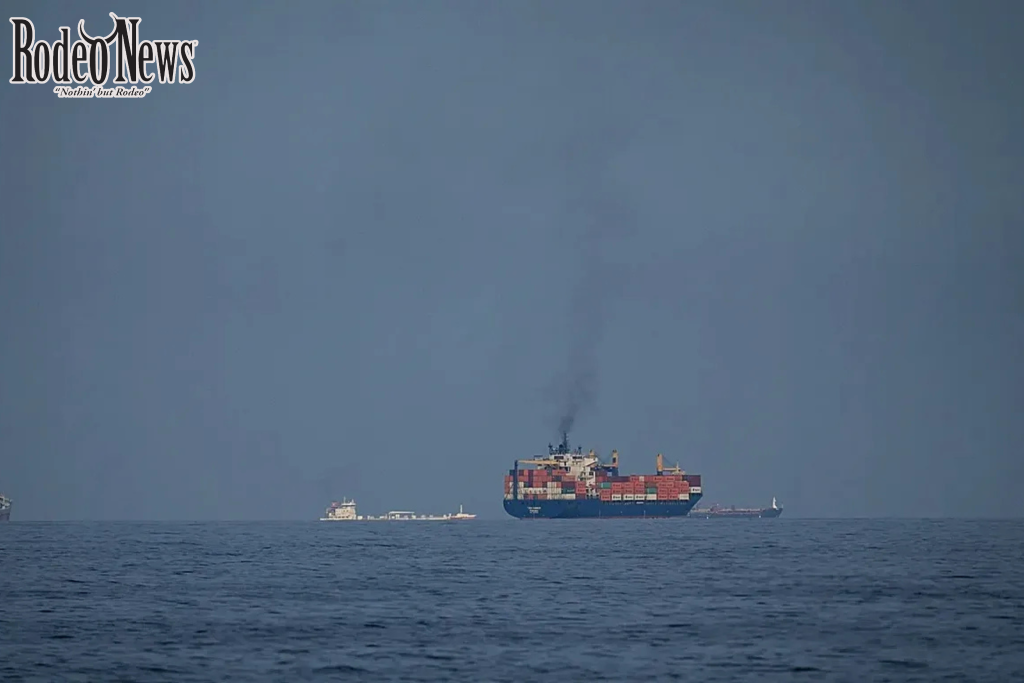
The decision comes after weeks of escalating tensions and near-total disruption in shipping through the Strait of Hormuz, one of the world’s most critical maritime chokepoints. The move could help ease mounting concerns over food shortages, fertilizer supply, and humanitarian access worldwide.
Iran Agrees to Facilitate Aid Through Hormuz
Iran’s ambassador to the United Nations confirmed that Tehran has accepted a UN request to allow humanitarian shipments to pass through the Strait of Hormuz. The agreement includes the movement of agricultural goods and aid supplies, marking the first meaningful breakthrough since the conflict began.
The announcement came on the same day reports emerged of strikes on Iranian nuclear facilities, highlighting the fragile and complex nature of the situation.
Despite ongoing hostilities, this step signals a willingness—at least partially—to reduce the humanitarian impact of the crisis.
Why the Strait of Hormuz Matters
The Strait of Hormuz is one of the most strategically important waterways in the world. Roughly 20% of global oil supplies pass through this narrow channel, making it essential for international energy markets.
However, its importance goes beyond oil. The strait is also a key route for transporting food, fertilizers, and essential goods.
Since the outbreak of the 2026 conflict, shipping traffic has plummeted, with many vessels avoiding the area due to safety concerns.
This disruption has triggered widespread economic consequences, including rising fuel prices and fears of global food insecurity.
1. Relief for Global Food Supply Chains
One of the most immediate benefits of the Hormuz humanitarian aid agreement is the potential stabilization of food supply chains.
Fertilizer shipments, in particular, have been severely impacted by the blockade. Without adequate fertilizer, agricultural production around the world could decline significantly.
Experts warn that restricted fertilizer access threatens farming output and could worsen global hunger if not addressed quickly.
By allowing these shipments to resume, Iran’s decision could help prevent a deeper food crisis.
2. Easing Pressure on Global Energy Markets
Although the agreement primarily focuses on humanitarian aid, it may also indirectly ease pressure on energy markets.
The partial reopening of the strait signals a potential path toward broader shipping access, which could help stabilize oil prices.
In recent weeks, energy markets have been highly volatile due to fears of prolonged disruptions in the region. Even a limited resumption of traffic can improve market confidence.
3. A Step Toward Diplomatic De-escalation
The decision to facilitate Hormuz humanitarian aid may also represent a diplomatic opening.
International organizations, including the United Nations, have been working to create mechanisms that ensure safe passage through the strait.
This move aligns with broader efforts to reduce tensions and prevent further escalation of the conflict.
While far from a full resolution, it suggests that dialogue and cooperation remain possible.
4. Reducing Global Economic Uncertainty
The disruption of the Strait of Hormuz has had far-reaching economic consequences, affecting everything from fuel prices to consumer goods.
Shipping delays and increased insurance costs have raised the price of transporting goods globally.
By facilitating humanitarian shipments, Iran’s move could help reduce some of this uncertainty, particularly in sectors reliant on essential goods.
5. Supporting Humanitarian Efforts in Crisis Zones
Humanitarian organizations have faced significant challenges delivering aid due to restricted access through the strait.
The new agreement allows aid groups to resume critical operations, including the delivery of food, medical supplies, and agricultural inputs.
This is especially important as the conflict continues to displace populations and strain resources across the region.
6. A Model for Future Agreements
The Hormuz humanitarian aid initiative could serve as a blueprint for future agreements.
European officials have already suggested using a model similar to the Black Sea grain deal, which helped maintain food exports during the Ukraine conflict.
If successful, this approach could be expanded to include broader commercial shipping, helping to fully reopen the strait.
Challenges Still Remain
Despite the positive development, significant challenges remain.
Reports indicate that shipping activity in the Strait of Hormuz is still limited, with many vessels hesitant to transit the area due to security risks.
Additionally, Iran has stated that only “non-hostile” ships may pass through, raising concerns about selective access and ongoing restrictions.
This means that while humanitarian shipments may increase, normal trade flows are unlikely to resume immediately.
The Broader Conflict Context
The Hormuz humanitarian aid agreement comes amid a wider regional conflict involving Iran, the United States, and Israel.
The war has led to missile strikes, infrastructure damage, and significant civilian impact across multiple countries.
Global powers, including the G7, have called for safe navigation and the protection of critical infrastructure in the region.
The situation remains highly volatile, with the potential for further escalation.
What Happens Next?
The success of the Hormuz humanitarian aid initiative will depend on several factors:
- Continued cooperation between Iran and international organizations
- Security guarantees for shipping vessels
- Diplomatic efforts to reduce tensions in the region
If these conditions are met, the agreement could pave the way for broader reopening of the strait.
However, any renewed escalation could quickly undermine progress.
Conclusion
The agreement to facilitate Hormuz humanitarian aid represents a rare moment of progress in an otherwise tense and volatile situation.
By allowing essential goods to pass through one of the world’s most critical waterways, Iran’s decision offers hope for stabilizing global supply chains and preventing a deeper humanitarian crisis.
While challenges remain, this development highlights the importance of diplomacy and cooperation in addressing global crises.
As the situation evolves, the Strait of Hormuz will remain a focal point—not just for energy markets, but for the future of international trade and humanitarian access.