Full Article
Elon Musk xAI Lawsuit: A New Front in the AI War
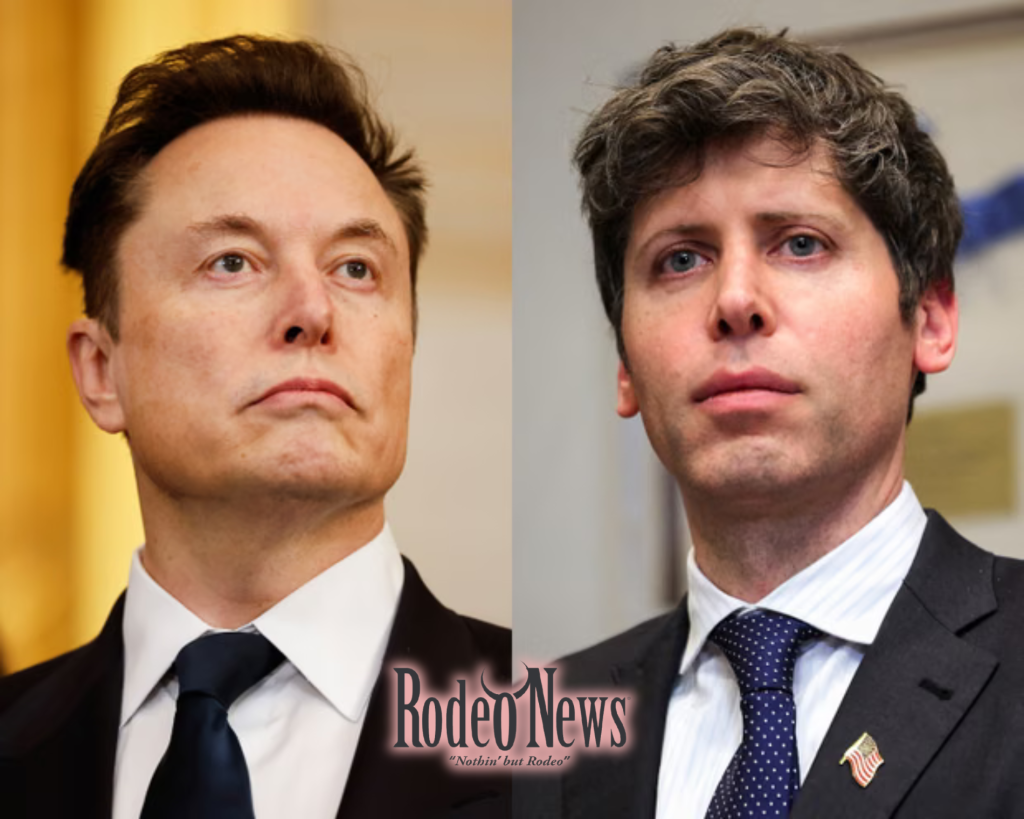
The Elon Musk xAI lawsuit has ignited a fresh and dramatic chapter in the escalating battle over artificial intelligence dominance. In September 2025, Musk’s AI startup xAI filed a lawsuit against OpenAI and its CEO Sam Altman, accusing the company of stealing trade secrets and engaging in unfair competitive practices.
This legal clash goes beyond personal rivalry. It reflects the growing tension between major AI players competing for talent, technology, and global influence.
According to reports, the lawsuit alleges that OpenAI systematically hired former xAI employees to gain access to proprietary knowledge related to its Grok chatbot.
The Core Allegation: Trade Secret Theft
At the heart of the Elon Musk xAI lawsuit is a serious accusation—trade secret misappropriation.
xAI claims that OpenAI recruited employees specifically to extract confidential information about Grok, Musk’s flagship AI chatbot. The lawsuit describes this as a “troubling pattern” of behavior aimed at undermining a direct competitor.
If proven, such actions could violate intellectual property laws and reshape how AI companies hire talent in a highly competitive market.
Meanwhile, OpenAI has not publicly admitted wrongdoing and is expected to challenge these claims aggressively in court.
The Role of Grok in the Dispute
Grok, developed by xAI, plays a central role in this legal battle.
The chatbot was designed to compete directly with OpenAI’s ChatGPT, offering real-time information and integration with Musk’s social platform X. As competition intensified, so did concerns about protecting proprietary algorithms and training methods.
The lawsuit suggests that Grok’s internal architecture and development strategies may have been exposed through former employees, raising alarm across the AI industry.
This situation highlights a broader issue: in AI, talent mobility can quickly become a legal and ethical gray area.
A Broader Pattern of Legal Escalation
The Elon Musk xAI lawsuit is not an isolated case. Instead, it is part of a wider pattern of legal conflicts involving Musk, OpenAI, and other tech giants.
Earlier in 2025, Musk also filed lawsuits involving competition concerns, alleging that partnerships between major companies were suppressing innovation.
These actions suggest a coordinated effort to challenge what Musk perceives as monopolistic behavior in the AI sector.
At the same time, OpenAI faces multiple legal challenges from different parties, reflecting the increasing scrutiny surrounding AI development and deployment.
5 Explosive Claims from the Lawsuit
1. Systematic Hiring for Competitive Advantage
The lawsuit claims OpenAI deliberately hired former xAI staff to gain insider knowledge rather than for their expertise alone.
This accusation, if validated, could redefine hiring practices across Silicon Valley.
2. Misuse of Proprietary Information
xAI alleges that confidential information about Grok was accessed and potentially used to enhance competing AI systems.
Such misuse could result in severe legal penalties and reputational damage.
3. Escalating AI Rivalry
The Elon Musk xAI lawsuit underscores the deepening rivalry between Musk and Altman.
Once collaborators at OpenAI, the two are now leading competing AI empires, each aiming to dominate the future of artificial intelligence.
4. Market Competition Concerns
The lawsuit also ties into broader claims that major tech alliances are limiting competition.
Musk argues that certain partnerships create barriers for emerging players like xAI, raising antitrust questions.
5. Industry-Wide Implications
Perhaps the most significant claim is the potential industry impact.
If xAI succeeds, the case could lead to stricter rules around employee transitions, data protection, and competitive conduct in AI.
OpenAI’s Likely Defense Strategy
While OpenAI has not fully detailed its legal response, several arguments are expected:
- Employee mobility is a standard practice in tech
- No confidential information was improperly used
- The lawsuit is an attempt to slow down a competitor
In related disputes, OpenAI has previously argued that Musk’s legal actions are driven by competitive motives tied to his own ventures.
This defense could play a central role in the courtroom battle.
The High Stakes of AI Competition
The Elon Musk xAI lawsuit highlights just how high the stakes have become in the AI race.
Companies are investing billions into:
- Advanced machine learning models
- Data infrastructure
- Talent acquisition
As a result, even small competitive advantages can translate into massive financial gains.
xAI itself has rapidly grown into a major player, with significant investments and ambitious expansion plans in AI infrastructure.
Legal and Ethical Questions Raised
This case raises critical questions for the future of AI:
- How should companies protect trade secrets?
- Where is the line between hiring talent and stealing knowledge?
- Should governments impose stricter regulations on AI competition?
These questions are becoming increasingly urgent as AI systems grow more powerful and influential.
Potential Outcomes of the Lawsuit
The outcome of the Elon Musk xAI lawsuit could take several paths:
Scenario 1: xAI Wins
This could lead to financial damages and stricter hiring regulations across the tech industry.
Scenario 2: OpenAI Prevails
A victory for OpenAI would reinforce current hiring practices and limit legal risks for talent mobility.
Scenario 3: Settlement
Both parties could reach a private agreement, avoiding prolonged litigation but leaving key questions unresolved.
Impact on the AI Industry
Regardless of the outcome, the lawsuit is already shaping the industry.
Companies are becoming more cautious about:
- Employee contracts
- Data security protocols
- Competitive strategies
Meanwhile, regulators may use this case as a reference point for future AI policies.
Conclusion: A Battle That Could Redefine AI Competition
The Elon Musk xAI lawsuit is more than a legal dispute—it is a reflection of the intense competition driving the AI revolution.
As Musk and Altman face off once again, the case highlights the challenges of balancing innovation, competition, and ethics in one of the world’s fastest-growing industries.
The final verdict may not only determine the fate of xAI and OpenAI but also set the rules for how AI companies operate in the years ahead.