Full Article
Samsung’s Galaxy S26 Ultra red tint problem was supposed to be on its way out. Instead, some owners are reportedly facing another display-related problem after applying Samsung’s fix, raising fresh questions about the company’s new flagship screen technology.
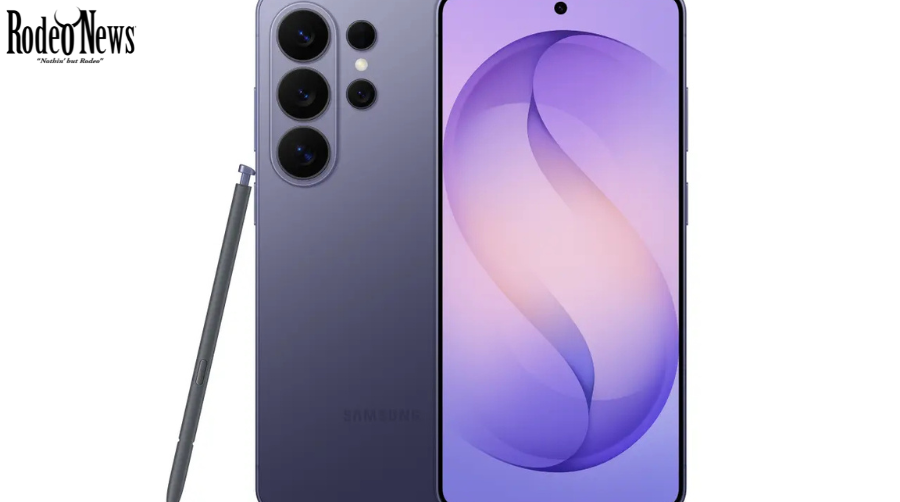
The Galaxy S26 Ultra launched with an unusual display feature designed to improve privacy in public places. Samsung calls it Privacy Display, and it is integrated directly into the phone rather than relying on a traditional privacy screen protector. The technology can restrict visibility from side angles while keeping the screen clearer for the person looking directly at it.
However, several weeks of complaints surrounding the Galaxy S26 Ultra red tint issue have now taken another turn. According to a report cited by Neowin, some owners say Samsung’s calibration process or software fix has been followed by new colored spots appearing on the display.
Galaxy S26 Ultra red tint problem takes a new turn
The original problem began when some Galaxy S26 Ultra owners noticed a reddish area developing around the center of the display.
The discoloration reportedly did not necessarily appear immediately after purchase. Some users said the problem emerged after using their phones for a period of time, creating concerns that the AMOLED panel itself could be deteriorating.
Because the Galaxy S26 Ultra uses a new Privacy Display system, many users naturally suspected that the technology was connected to the problem.
Samsung investigated the reports and said the issue was not a conventional hardware failure. Instead, the company indicated that display calibration could address the problem.
That was welcome news for affected owners because a software or calibration solution is considerably less disruptive than replacing a display.
Samsung also offered affected customers the option of visiting a service center for a free color adjustment, while a software update was prepared to address the problem remotely.
Unfortunately, the latest reports suggest that the story may not be over.
Galaxy S26 Ultra red tint fix reportedly creates colored dots
According to Neowin’s report, some Galaxy S26 Ultra owners who received the fix are now reporting another visual problem.
Instead of seeing only the original reddish discoloration, some users reportedly noticed small, dot-shaped spots near the top portion of the display. Other reports describe red areas appearing around the upper and lower edges of the screen.
That makes the situation particularly frustrating.
Owners who encountered the original Galaxy S26 Ultra red tint issue were given a clear path toward resolution. But if the calibration process removes one visual defect while introducing another, users may reasonably question whether the underlying problem has actually been solved.
The reported symptoms are not necessarily identical on every affected phone. That is important because Samsung has not publicly confirmed that all of these new display artifacts have the same cause.
Recent coverage from other technology publications has also described reports of dots and reddish patches appearing around the display edges after calibration. However, the scale of the problem remains unclear.
What is causing the Galaxy S26 Ultra display problem?
The exact cause remains uncertain.
Samsung has maintained that the original display discoloration was software-related and could be corrected through calibration. At the same time, the company’s own documentation confirms that Privacy Display relies on specialized display hardware.
Samsung describes Privacy Display as a technology that controls how light is emitted from the display’s pixels. The system uses different pixel structures to restrict viewing angles when privacy protection is activated.
Samsung has also acknowledged that Privacy Display can produce some changes in the visual experience. When the feature is enabled, the phone primarily uses its narrower pixel configuration, which can affect perceived pixel density and brightness under certain conditions.
That does not prove that Privacy Display is responsible for the Galaxy S26 Ultra red tint problem.
Still, the timing has naturally encouraged speculation among owners and display enthusiasts.
The Galaxy S26 Ultra is the only model in the S26 lineup with the integrated Privacy Display system. Samsung designed the technology to manipulate visibility at the pixel level rather than simply placing a privacy filter over the panel.
This makes the display significantly more complex than a conventional smartphone screen.
Samsung says the original issue was not a hardware defect
One of the most important points for Galaxy S26 Ultra owners is Samsung’s position on the original problem.
The company said the reddish display issue was not caused by a hardware defect. Instead, Samsung described it as a calibration-related issue that could be corrected.
Samsung subsequently prepared a software solution, while service centers could also perform a color adjustment for affected devices.
The August 2026 update was subsequently reported to contain a fix for the original red tint problem.
That development initially appeared to close the issue.
But reports from users who continued to see discoloration, or who noticed new artifacts following calibration, have complicated the situation.
It is therefore too early to conclude that Samsung’s update has failed universally. The reports appear to involve a subset of users, and Samsung has not indicated how widespread the newly reported spots or edge discoloration may be.
Samsung recommends checking display settings
Not every unusual color problem on a Galaxy S26 Ultra necessarily indicates a defective display.
Samsung’s support documentation notes that several display and accessibility features can alter the appearance of colors.
For example, Adaptive color tone, Color correction and Color filter can affect how colors appear on the screen. Samsung recommends checking these settings when the display suddenly looks unnatural or tinted.
Users can also adjust the phone’s display settings through the Screen mode controls. Samsung provides options for modifying white balance and vividness when the appropriate settings are enabled.
This is particularly relevant because display calibration problems can sometimes look similar to ordinary software or color-profile changes.
Before assuming that the panel has suffered physical damage, owners should therefore make sure their Galaxy S26 Ultra is running the latest available software and check the relevant display settings.
If the problem remains, contacting Samsung support or an authorized service center is the safer option.
Privacy Display remains a major Galaxy S26 Ultra feature
Despite the controversy, Privacy Display remains one of the most distinctive features of Samsung’s flagship.
Samsung introduced the technology as a built-in privacy solution that can make the screen difficult for people nearby to view from certain angles.
Unlike a conventional privacy screen protector, the feature is integrated into the phone itself. Samsung says users can configure Privacy Display to activate for specific applications, notifications or security-related situations.
For example, users can configure Privacy Display to activate when opening selected applications or entering sensitive information.
That can be useful for banking applications, messaging and other situations where someone nearby could otherwise see confidential information.
Samsung has also designed the feature to be adjustable. Users can turn Privacy Display on or off from the Quick Panel and access additional controls through the Display settings.
The technology therefore represents a meaningful change from traditional smartphone privacy accessories.
The problem is that any new display architecture has to balance privacy, brightness, color accuracy and long-term reliability.
Why the reports matter for Samsung
The Galaxy S26 Ultra red tint controversy matters beyond a single software bug.
The S26 Ultra is Samsung’s premium smartphone, and its display is one of its most important selling points. Customers paying flagship-level prices generally expect the screen to remain consistent throughout the device’s lifespan.
Samsung’s decision to integrate Privacy Display directly into the panel is ambitious.
It also means that display-related problems can attract considerably more attention because users may wonder whether the new technology is contributing to them.
At this stage, however, there is no confirmed evidence that Privacy Display itself is causing every reported red tint, colored spot or edge discoloration.
That distinction is important.
Some online theories may eventually prove correct, but Samsung’s official explanation for the original issue points toward calibration rather than a straightforward physical panel failure.
What Galaxy S26 Ultra owners should do
Owners who notice a Galaxy S26 Ultra red tint or new colored spots should first install the latest software available for their region.
After updating, users can review the phone’s display and accessibility settings. Samsung specifically advises checking features that can modify screen colors, including Adaptive color tone, Color correction and Color filter.
It is also worth checking Screen mode and related color controls.
If the discoloration remains visible after those checks, Samsung’s support channels or an authorized service center should be the next step.
Samsung has previously offered free color adjustment for affected owners, including cases where the device was outside its warranty period, according to reporting on the company’s response.
Users should avoid attempting physical repairs themselves.
A display with specialized pixel-level technology is not something that should be opened or modified without professional equipment and expertise.
Samsung still needs to clarify the new reports
The biggest unanswered question is whether the newly reported dots and red areas represent a continuation of the original problem, a side effect of calibration, another software bug or an unrelated display issue.
Samsung has not publicly provided a definitive explanation for these newly reported symptoms.
The company may need additional diagnostic information before determining whether the reports are connected.
That is understandable. User reports can vary considerably, and isolated display anomalies do not automatically establish a widespread manufacturing defect.
Still, transparency will be important.
Galaxy S26 Ultra owners need to know whether they can confidently continue using their phones after receiving the update or calibration, particularly if new artifacts appear afterward.
Is the Galaxy S26 Ultra still worth buying?
For potential buyers, the current reports do not automatically mean the Galaxy S26 Ultra should be avoided.
The phone remains Samsung’s flagship, and Privacy Display is a genuinely distinctive feature. Samsung has already demonstrated that it is willing to investigate and address display complaints rather than simply ignore them.
The key issue is whether the latest reports remain isolated or develop into a broader pattern.
If Samsung identifies the cause of the new colored spots and releases another update or calibration solution, the current controversy could ultimately become a temporary software problem.
If reports continue to grow, however, the company may face greater pressure to explain whether the display architecture itself needs modification.
For now, buyers should keep that distinction in mind.
The Galaxy S26 Ultra display saga is not finished
The Galaxy S26 Ultra red tint problem was initially reassuring because Samsung said it could be fixed without replacing the display.
The latest reports have complicated that positive outcome.
Some owners now claim that dots, red patches or edge discoloration appeared after receiving the fix or having their displays calibrated. The number of affected devices remains unknown, and Samsung has not publicly confirmed the cause of the newly reported symptoms.
For Samsung, the priority now is straightforward: determine exactly what is happening and communicate the answer clearly.
The Galaxy S26 Ultra’s Privacy Display is an ambitious piece of technology, but flagship innovation also comes with higher expectations.
Until Samsung provides a definitive explanation, affected owners should keep their phones updated, review the relevant display settings and contact official support if unusual discoloration persists.
The original red tint may have a software solution. Whether the newly reported colored spots are another temporary bug or something more serious remains to be seen.
Image ALT Text
Samsung Galaxy S26 Ultra red tint display issue showing reddish screen discoloration
Suggested Image Caption
Some Galaxy S26 Ultra owners are reporting new display artifacts after Samsung’s red tint fix.