Tupac Murder Case Ends With Historic Guilty Verdict
The Tupac murder case has finally reached a dramatic legal conclusion nearly 30 years after the death of one of hip-hop’s most influential artists.
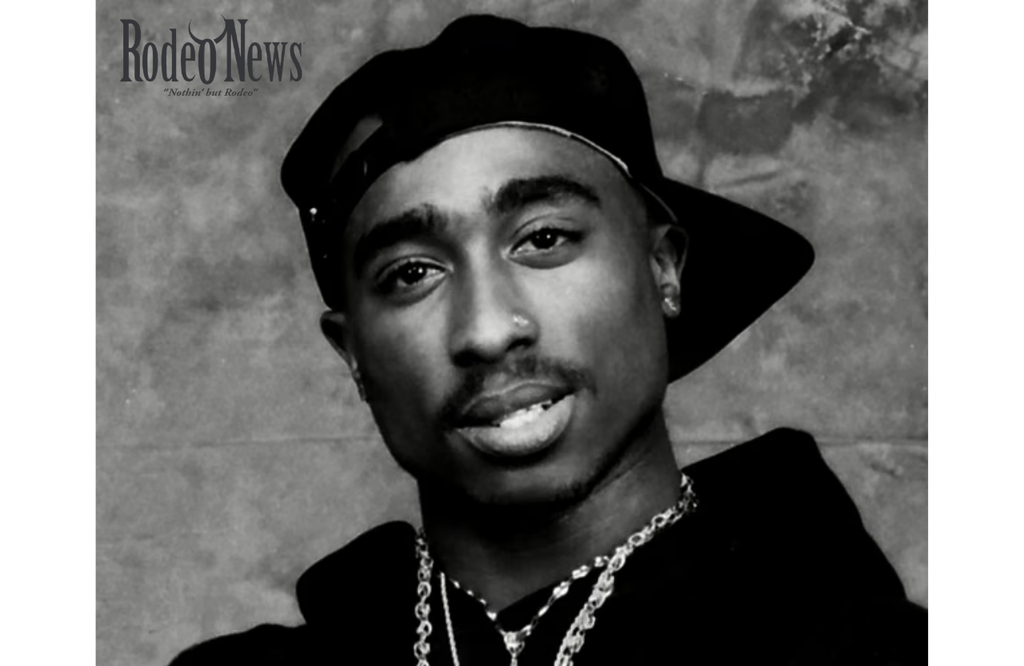
A Las Vegas jury found Duane Keith Davis, better known as “Keffe D,” guilty of murder in connection with the 1996 killing of Tupac Shakur. The verdict marks the first conviction in a case that remained one of the most closely watched unsolved murders in popular culture. TThe Guardian+1
Davis, 63, was accused of orchestrating the shooting rather than personally pulling the trigger. Prosecutors argued that he organized the attack after an earlier confrontation involving his nephew, Orlando “Baby Lane” Anderson, and provided the weapon used by someone inside the vehicle that opened fire on Shakur.
The jury reached its decision after less than three hours of deliberation following a weeks-long trial. Davis was convicted of murder with a deadly weapon and could face a life sentence. CCBS News+1
For Shakur’s family, the verdict represents a long-awaited moment of resolution.
For millions of fans, it closes one of the most enduring mysteries in music history.
Tupac Murder: What Happened in 1996?
Tupac Shakur was shot on September 7, 1996, in Las Vegas.
Earlier that evening, Shakur had attended a Mike Tyson boxing match at the MGM Grand with Marion “Suge” Knight, the founder of Death Row Records.
After the fight, Shakur and his entourage became involved in a confrontation with Orlando Anderson, a member of the South Side Compton Crips and Davis’ nephew.
Prosecutors argued that the altercation became the motive for the subsequent attack.
Later that night, Shakur and Knight were traveling in a BMW when a white Cadillac pulled alongside them at a red light. Gunfire erupted from the Cadillac, striking Shakur four times. Knight was also wounded but survived. RReuters+1
Shakur was taken to hospital.
He died six days later at the age of 25.
His death shocked the music industry and transformed the shooting into one of the most famous unsolved murder cases in American pop culture.
For years, investigators struggled to build a prosecutable case.
That changed decades later.
Duane Davis Became the Center of the Case
The breakthrough came largely because of Davis himself.
According to prosecutors, Davis repeatedly discussed his involvement in interviews, recorded conversations and his 2019 memoir, Compton Street Legend. Those statements eventually became central evidence in the prosecution’s case. TThe Guardian+1
Prosecutors played approximately eight hours of recordings during the trial.
Those recordings came from four separate events over several years and featured Davis describing what he said happened on the night Shakur was killed.
The prosecution’s argument was straightforward: Davis had repeatedly described his role in the attack long before he was arrested.
His defense offered a different interpretation.
Attorney Michael Sanft argued that Davis had exaggerated his stories because the Tupac case generated enormous public attention. According to the defense, the statements were not reliable admissions of guilt but examples of Davis attempting to profit from his association with the famous case.
The jury ultimately rejected that argument.
Tupac Murder Evidence Focused on Davis’ Own Words
One of the most unusual elements of the Tupac murder trial was how heavily prosecutors relied on the defendant’s own statements.
Davis was not accused of being the person who fired the fatal shots.
Instead, prosecutors portrayed him as the organizer of the attack.
The state’s case said Davis helped coordinate the retaliation, obtained the firearm and directed the men inside the Cadillac.
Nevada law allows someone to be held criminally responsible for murder even if that person did not physically pull the trigger, provided the prosecution establishes the required involvement in the crime.
Reuters reported before the verdict that prosecutors were relying heavily on Davis’ previous statements, while the defense argued that investigators could not independently verify important parts of his account. RReuters
That distinction became central to the trial.
The prosecution did not need to prove that Davis personally fired the weapon.
It needed to convince jurors that he played a legally sufficient role in arranging and facilitating the killing.
After hearing the evidence, the jury found that prosecutors had met that burden.
The Jury Rejected the Defense’s Explanation
The defense attempted to undermine Davis’ previous accounts.
The argument was that Davis had made sensational claims over the years because he understood that the public remained fascinated by Shakur’s death.
His memoir became especially important.
Rather than treating the book as a reliable confession, the defense characterized Davis’ descriptions as embellished stories.
But prosecutors turned that argument around.
They emphasized that Davis had described his involvement in multiple settings and over different periods.
That consistency, prosecutors argued, made it less likely that his statements were simply invented for publicity.
The prosecution presented 25 witnesses during the trial, including witnesses who were reluctant to participate and, in some cases, had to be compelled to testify. TThe Guardian
The defense presented three witnesses, according to CBS News.
After hearing the evidence, the jury deliberated for less than three hours before reaching the guilty verdict. CCBS News
Why Did the Tupac Murder Case Take 30 Years?
Perhaps the biggest question surrounding the Tupac murder case is why it took almost three decades to reach a conviction.
The answer involves a combination of limited physical evidence, reluctant witnesses, gang rivalries and the passage of time.
Shakur was killed in 1996, but no one was charged with his murder for many years.
Potential witnesses became unavailable or died.
Some people connected to the case were unwilling to cooperate with investigators.
A 2015 Los Angeles Times investigation examined problems with the original investigation, including missed opportunities involving Anderson, who had been identified as a possible suspect but was never charged. TThe Guardian
The passage of time also made the investigation increasingly difficult.
People’s memories faded.
Evidence became harder to locate.
Some individuals connected to the events were no longer alive.
And the culture surrounding the case became increasingly dominated by speculation.
For years, theories about Shakur’s death circulated across the internet, in documentaries and among hip-hop fans.
The lack of a conviction only intensified the mystery.
The 2023 Arrest Changed Everything
The case experienced a major breakthrough in 2023.
Davis was arrested and charged in connection with Shakur’s murder.
That arrest came after decades of uncertainty and marked the first time prosecutors had formally brought a murder charge against someone in the case.
Davis pleaded not guilty.
His eventual trial was delayed several times before finally beginning in 2026.
By then, the case had become a historic legal event.
Shakur had been dead for nearly three decades.
His music had continued to influence new generations, while his murder remained a defining mystery from the violent era of 1990s hip-hop.
Tupac’s Death Remained a Cultural Mystery
The significance of the case extends far beyond the courtroom.
Shakur was more than a successful rapper.
He became a cultural figure whose music addressed poverty, racism, police violence, inequality, relationships and the struggles of marginalized communities.
He released multiple influential albums during a career that lasted only a few years.
His death at 25 left an enormous cultural void.
The circumstances surrounding his killing also became connected to the broader East Coast-West Coast rivalry that dominated hip-hop during the 1990s.
Shakur was closely associated with Death Row Records and its Los Angeles-based scene.
The rivalry with artists and figures associated with Bad Boy Records in New York became increasingly hostile during the period surrounding his death.
However, the specific motive established at trial centered on the confrontation involving Anderson and the subsequent retaliation, rather than simply the broader music rivalry. RReuters
What the Guilty Verdict Means
The guilty verdict does not answer every question surrounding Shakur’s death.
Most importantly, Davis was convicted for his role in orchestrating the killing.
The verdict does not necessarily establish a definitive public answer about every person who was inside the Cadillac or who fired the fatal shots.
That distinction matters.
The prosecution’s theory was that Davis organized the attack and provided the weapon, while another person fired from the vehicle.
The person who allegedly pulled the trigger has not been convicted in the case.
Several people associated with the events have since died.
Nevertheless, the verdict represents a major legal development.
It establishes that a Nevada jury found Davis criminally responsible for Shakur’s murder after hearing evidence accumulated over decades.
Davis Could Face Life in Prison
Davis now faces the possibility of a life sentence.
The conviction was for murder with a deadly weapon. The case originally included a gang enhancement, but prosecutors moved to dismiss that portion because of difficulties involving witnesses. CCBS News+1
Sentencing is expected in October.
Davis has also indicated that he intends to appeal the conviction. PPeople.com
That means the legal story may not be completely finished.
The guilty verdict is a major milestone, but the defense can continue challenging the conviction through the appellate process.
Shakur’s Family Finally Has an Answer
The emotional significance of the verdict was visible in the courtroom.
After the guilty verdict was announced, Shakur’s sister, Sekyiwa “Set” Shakur, cried and embraced people connected to the prosecution. Davis’ son was also present and covered his face after the verdict was read. CCBS News
The reaction reflected the extraordinary length of time the family had waited.
Shakur’s cousin Zayd Akinyela told reporters during the proceedings that the family had been waiting decades to properly grieve.
That sentiment captures why the verdict matters beyond the criminal justice system.
For nearly 30 years, the circumstances of Shakur’s death remained unresolved in court.
Now there is a conviction.
Tupac Murder Verdict Closes One Chapter
The Tupac murder case has survived nearly every stage of modern popular culture.
It began in an era of cassette tapes, CDs and music videos.
It continued through the rise of internet forums, social media, streaming platforms and true-crime documentaries.
Throughout that time, Shakur’s music remained popular.
His death remained the subject of speculation.
And his family continued to live with unanswered questions.
The conviction of Duane Davis changes that story.
It does not bring Shakur back.
It does not erase the years of uncertainty.
And it does not answer every question about the shooting.
But it establishes a legal conclusion that had seemed almost impossible for decades: a jury has found someone criminally responsible for the murder of Tupac Shakur.
The case now moves toward sentencing and a likely appeal.
For fans, investigators and Shakur’s family, however, August 31, 2026, will stand as a defining date in the history of one of music’s most enduring mysteries.
Nearly 30 years after Tupac Shakur was fatally shot in Las Vegas, the long-running murder case has finally produced its first conviction.