North Cyprus Ferry Capsizes: 8 Dead, 18 Missing
A North Cyprus ferry capsizes tragedy has left at least eight people dead and 18 missing after a privately operated passenger ferry overturned off the coast of Kyrenia on Sunday, August 30, 2026. The vessel was carrying 267 passengers and crew when it ran into trouble during a voyage from Kyrenia to Tasucu in southern Türkiye.
Rescue teams recovered 241 people from the sea, while the search for those still missing continued. Survivors were seen clinging to the overturned vessel before it eventually sank in deep water.
The accident has triggered a major maritime rescue operation involving Turkish and Turkish Cypriot coast guard units, helicopters and other vessels. Authorities are also investigating why the ferry began taking on water shortly after leaving port.
North Cyprus ferry capsizes shortly after departure
The ferry, identified as FILOJET, departed from Kyrenia, also known as Girne, on Sunday and was heading toward the Turkish port of Tasucu when the incident occurred.
According to reports, the vessel began taking on water not long after departure. Survivors later described unusual movements by the two-hulled ferry before a hard impact damaged the bow and allowed water to enter the vessel.
The precise cause remains under investigation. Officials have cautioned against drawing premature conclusions while investigators examine the circumstances surrounding the accident.
The ferry was carrying 267 people in total, including passengers and crew. The number of people rescued rose as emergency teams worked through difficult conditions at sea.
Eight people confirmed dead after ferry disaster
The death toll from the North Cyprus ferry capsizes has reached at least eight, according to the latest Reuters report.
Authorities also said 18 people remained missing after the rescue operation recovered hundreds of passengers and crew. The figures could change as search teams continue working in the area.
The incident has left families waiting anxiously for information about relatives who were aboard the ferry. Hospitals and ports in the area have also become important locations for survivors, emergency workers and relatives seeking updates.
The tragedy has drawn condolences from Turkish and Turkish Cypriot leaders. Turkish President Recep Tayyip Erdogan expressed sympathy for those affected and said efforts to assist the rescue operation would continue.
Survivors cling to overturned hull
Dramatic footage from the scene showed survivors in the water and on the overturned ferry as rescue teams approached.
Some passengers were reportedly able to remain on or near the hull while waiting for rescuers. The presence of people in life jackets helped emergency crews identify survivors during the operation.
The ferry eventually sank to a depth of about 514 meters, creating another major challenge for authorities. At that depth, recovering the vessel and determining exactly what happened becomes considerably more difficult.
For rescuers, the immediate priority has been locating the missing passengers rather than determining the full technical cause of the accident.
Rescue operation continues off Kyrenia
Turkish and Turkish Cypriot authorities quickly mobilized maritime and aerial resources after the ferry sent an emergency alert.
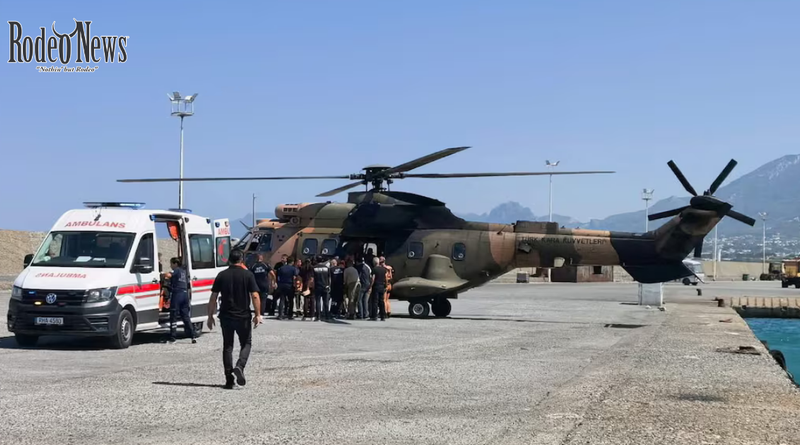
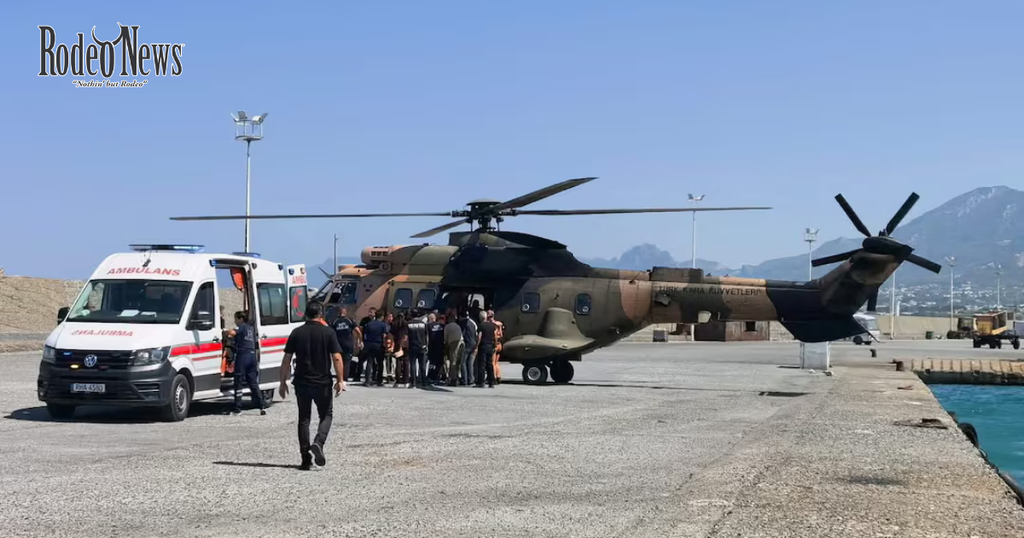
Coast guard vessels and helicopters were involved in the search, while other boats helped bring survivors back to shore.
The location of the accident added to the complexity of the operation. The vessel sank in very deep Mediterranean waters, meaning authorities face difficult conditions as they continue searching for people who may still be missing.
The rescue effort is expected to remain focused on the surrounding waters while officials attempt to establish a complete account of the disaster.
Severe weather raises questions
Weather conditions are also part of the investigation.
The island had experienced severe storms the previous day. However, authorities said conditions on Sunday were considered suitable for travel, and officials have warned that it would be too early to blame the accident on weather alone.
Questions are likely to focus on whether waves, vessel conditions, mechanical problems or another factor contributed to the ferry taking on water.
Investigators will also need to determine why the vessel reportedly began behaving abnormally before the accident.
Such questions are particularly important because passenger ferries operate on regular routes between Cyprus and Türkiye, carrying tourists, residents and other travelers across the eastern Mediterranean.
Captain and crew detained for questioning
The ferry’s captain and crew members have been detained for questioning as authorities investigate the circumstances of the sinking.
The detention does not by itself establish responsibility for the disaster. Investigators must examine evidence from the vessel, passenger accounts, communications, weather conditions and other available information before determining what caused the accident.
Officials are expected to examine the ferry’s maintenance history and operating condition as part of the inquiry.
The investigation could also look at the vessel’s loading, safety procedures and response after water began entering the ferry.
Ferry route connects North Cyprus and Türkiye
The ferry was traveling between Kyrenia and Tasucu, a maritime route linking northern Cyprus with Türkiye.
Kyrenia is a major coastal city in the northern part of the island and serves as an important transport and tourism center. Tasucu, meanwhile, is a port town on Türkiye’s Mediterranean coast.
The route is used by passenger and vehicle ferries and provides an important sea connection between the two sides of the eastern Mediterranean.
That makes the accident significant beyond the immediate loss of life. Authorities will likely face questions about ferry safety and emergency procedures as more details emerge.
Cyprus tragedy highlights dangers at sea
Ferry travel is generally considered a practical way to move people across short maritime routes, but accidents can become extremely dangerous when vessels experience sudden flooding or structural damage.
The North Cyprus disaster demonstrates how quickly conditions can change once a passenger vessel begins taking on water.
Passengers may have only minutes to respond, particularly when a ferry develops a severe list or overturns. Crew members must simultaneously alert authorities, organize evacuation procedures and help passengers reach life jackets and safe areas.
In this case, the rapid rescue response helped save hundreds of people.
However, the deaths and missing passengers underline the risks involved in a major maritime emergency.
Families await news as search continues
As rescue teams continue their work, families of the missing passengers are waiting for confirmation about their loved ones.
For relatives, the uncertainty can be particularly difficult because the search is taking place in deep water and conditions can change quickly.
Authorities have not indicated that the search is over. Rescue teams remain focused on locating the 18 people still reported missing in the latest update.
The final number of casualties may therefore change as the operation progresses and authorities reconcile passenger records with the number of people rescued.
What caused the North Cyprus ferry capsizes?
At this stage, there is no confirmed final explanation for the accident.
Reports indicate that the ferry began taking on water shortly after leaving Kyrenia. Survivors described unusual movements before the vessel overturned, while authorities are examining the possibility of structural or other mechanical problems.
Weather conditions are also being assessed because the region had experienced storms shortly before the accident.
However, officials have stressed the importance of avoiding speculation until investigators have gathered sufficient evidence.
The investigation will likely take time, particularly because the vessel sank in extremely deep water.
International attention follows Mediterranean ferry accident
The disaster has attracted international attention because of the large number of people involved and the speed with which the ferry overturned.
Türkiye has played a central role in the rescue response, while Turkish Cypriot authorities have coordinated operations from the northern part of Cyprus.
The Republic of Cyprus has also offered assistance, highlighting the humanitarian importance of cooperation during a major maritime emergency. The island has remained politically divided since 1974, making coordination across the island especially significant during disasters.
Despite those political complexities, the immediate priority following the accident has been saving lives and finding the missing.
Search efforts remain the priority
The latest figures provide a clearer picture of the scale of the disaster: 267 people were aboard the ferry, 241 were rescued, eight died and 18 remained missing in the latest Reuters update.
Those numbers could change as rescue crews continue searching the surrounding waters.
Authorities are also expected to provide further information about the identities of the victims and the condition of those rescued as families are notified and medical assessments continue.
For now, the focus remains on the missing passengers and crew.
The North Cyprus ferry capsizes incident is already one of the region’s most serious recent maritime disasters. With the vessel resting hundreds of meters below the Mediterranean surface, investigators face a difficult task in determining exactly why the ferry sank.
Until that investigation is completed, officials are urging caution over claims about the cause.
The rescue operation, meanwhile, continues with one central objective: finding those still missing and bringing the search to a close for the families waiting for answers.
Sources
Image ALT Text: North Cyprus ferry capsizes off Kyrenia as rescue teams search for survivors