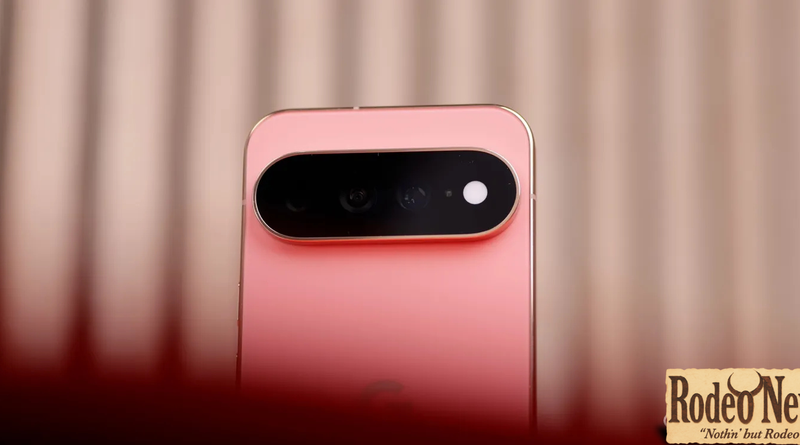
The Pixel 11 Pro has plenty of headline features, from Google’s latest Gemini intelligence to new hardware and software improvements. However, the most compelling reason to buy Google’s newest flagship may be something much simpler: the way it takes photos.
According to 9to5Google’s Daniel Bader, the Pixel 11 Pro represents an important change in Google’s long-running approach to smartphone photography. After years of pushing computational photography, Google is giving users more control over the final look of their images through its new Camera Looks feature.
That change could matter more than another processor upgrade or flashy artificial intelligence feature.
Pixel 11 Pro changes Google’s photography philosophy
Google built the Pixel brand around computational photography. Since the Nexus era, the company has increasingly relied on software to turn smartphone camera captures into polished final images.
HDR+ became one of Google’s defining photography technologies. Instead of simply recording what the camera sensor saw, Google’s software could combine multiple frames and process them to produce images with improved dynamic range, detail and exposure.
That approach helped make Pixel phones some of the most recognizable camera phones on the market.
But smartphone photography has changed.
Today’s flagship phones can perform an extraordinary amount of processing automatically. Multi-frame capture, sharpening, color correction, noise reduction and other computational techniques can transform an image before the user even sees it.
For many people, that is exactly what they want.
Others, however, increasingly want photographs that look more natural.
Pixel 11 Pro taps into the demand for natural photos
The renewed interest in older digital cameras and less processed photography suggests that not everyone wants a smartphone to make every image look perfectly polished.
The trend has been particularly visible among younger photography enthusiasts, with older compact digital cameras enjoying renewed popularity.
Apps such as ZeroCam and ProShot on Android, along with Halide on iPhone, have also attracted users looking for greater control over how their photographs are captured and processed.
The Pixel 11 Pro arrives at an interesting moment because Google appears to recognize that its traditional computational photography formula can sometimes go too far.
The company’s answer is Camera Looks.
What makes Camera Looks important?
Camera Looks gives Pixel users more control over the appearance of their photographs.
Rather than relying entirely on Google’s predetermined processing, users can choose from a collection of looks and adjust different characteristics of the image.
According to 9to5Google, Google’s Camera Looks offers 10 options and provides controls for elements including shadows, highlights, vibrance, sharpness, grain, tint and warmth.
That makes the feature more than a simple collection of filters.
The idea is closer to giving photographers a creative starting point and then allowing them to fine-tune the result.
This distinction is important.
Traditional smartphone filters often apply a predetermined visual effect. Camera Looks instead gives users more control over the characteristics that define the final photograph.
For enthusiasts, that could make the Pixel camera feel substantially more personal.
Pixel 11 Pro gives users more creative control
One of the biggest strengths of Google’s Pixel cameras has always been consistency.
Point the phone at a subject, press the shutter button and the software does the difficult work.
That philosophy remains valuable. Most people do not want to manually adjust every photograph.
However, experienced users often want something different.
They may prefer darker shadows, warmer colors, more restrained highlights or a little grain. They may want photographs that preserve the atmosphere of a scene rather than producing an extremely clean and brightly processed image.
Camera Looks gives those users another option.
The feature does not necessarily mean Google is abandoning computational photography. Instead, it suggests that Google is becoming more flexible about how its computational photography should look.
That could be one of the most meaningful changes in the Pixel 11 generation.
Why Google’s older Pixel look became less distinctive
Google’s early Pixel photography developed a recognizable style.
The company became famous for strong HDR processing and images with substantial contrast and detail. Over time, however, Google moved toward a more uniform and vibrant visual presentation.
That approach often produces attractive images.
But consistency can come at the expense of personality.
A photograph can be technically impressive while still feeling somewhat artificial. As smartphone cameras have become better at processing difficult scenes, some users have started asking for something that sounds almost contradictory: less processing from increasingly powerful phones.
The Pixel 11 Pro appears to be Google’s response.
Instead of simply trying to make every photograph look better according to one definition of “better,” the company is giving users more influence over the aesthetic.
Pixel 11 Pro and the return of photography as a personal style
Smartphone cameras have transformed photography into an almost completely automatic process.
That has enormous advantages.
People can take high-quality photographs without understanding exposure, white balance or post-processing. A complicated series of computational operations can happen in seconds.
But the downside is that millions of photographs can begin to look similar.
This is where Camera Looks could become particularly significant.
Giving users controls for warmth, tint, grain, shadows, highlights and vibrance allows them to establish a more personal visual identity.
A travel photographer could prefer warmer images.
A street photographer might want stronger contrast and visible grain.
Someone photographing people might want softer highlights and more restrained processing.
The phone remains automatic, but the final aesthetic becomes more customizable.
The Pixel 11 Pro is not just about AI
Google has positioned the Pixel 11 generation around artificial intelligence, including its Gemini-powered software experience.
The Pixel 11 Pro also introduces features designed to make the phone more helpful and capable through Google’s AI ecosystem. 9to5Google’s earlier review described Gemini Intelligence as a major strength of the device, while noting that HiLight is part of Google’s new effort to make users interact with their phones less.
Yet AI may not be the feature that convinces everyone to upgrade.
For many buyers, artificial intelligence features can feel difficult to evaluate. They may be useful in certain situations but invisible during everyday use.
A camera, on the other hand, is used constantly.
That makes Camera Looks particularly interesting.
A feature that changes the way photographs look can influence every trip, dinner, family gathering or weekend outing.
Pixel 11 Pro Camera Looks could have lasting value
Another reason Camera Looks stands out is that it has room to evolve.
Google has already demonstrated that it can change the Pixel experience through software updates. Camera processing can similarly be refined over time.
9to5Google described the current Camera Looks implementation as a step in the right direction, while acknowledging that the interface still has some quirks.
That leaves plenty of opportunity for Google to improve the feature.
Future updates could bring additional customization, better controls or new looks.
Google could also potentially expand the feature to more Pixel models.
If that happens, Camera Looks could become part of the broader identity of Pixel photography rather than remaining a minor Pixel 11 feature.
Pixel 11 Pro vs. traditional smartphone photography
The broader smartphone market is moving toward increasingly sophisticated computational photography.
Apple has its Photographic Styles, while other Android manufacturers continue to develop their own image-processing systems.
Google’s approach is different in an important way.
Rather than simply offering a small number of predefined visual styles, Camera Looks emphasizes customization.
According to 9to5Google, Google offers fewer basic looks than Apple’s current system but provides several ways to modify the selected appearance.
That could make the Pixel approach more appealing to people who want creative control without moving to a dedicated camera.
Is the Pixel 11 Pro worth buying?
For someone upgrading from an older Pixel, the answer depends on priorities.
If the main goal is raw hardware improvement, the Pixel 11 Pro may not represent a dramatic revolution. The Pixel 11 generation has been characterized in some coverage as a relatively safe upgrade rather than a complete redesign.
But photographers may see the phone differently.
The ability to customize the appearance of photographs addresses a genuine limitation of computational photography: the phone’s software has historically had the final say.
Camera Looks changes that relationship.
It allows the Pixel 11 Pro to remain computationally sophisticated while giving the person behind the camera more creative control.
That is a meaningful combination.
The real reason to buy Pixel 11 Pro
The biggest lesson from the Pixel 11 Pro is that smartphone photography may be entering a new phase.
For years, manufacturers competed to make cameras smarter.
Now the competition may increasingly be about making smart cameras more personal.
Google still handles the complicated computational work behind the scenes. But with Camera Looks, users can influence the aesthetic outcome instead of accepting one universal interpretation of what a good photograph should look like.
That makes the Pixel 11 Pro more interesting than its specification sheet might initially suggest.
The phone’s AI capabilities, processor and other upgrades will certainly attract attention. Yet Camera Looks could prove to be the feature that changes how owners actually use the camera every day.
For users who want their smartphone photographs to feel less processed, more distinctive and more personal, that could be the real reason to choose Google’s latest flagship.
And after years of Google telling its cameras how photographs should look, the Pixel 11 Pro finally gives photographers a louder voice.
Final Verdict
The Pixel 11 Pro is not simply another flagship built around faster hardware and more AI.
Its most interesting development may be a philosophical change in smartphone photography.
Google has spent years perfecting computational photography. Now, with Camera Looks, it is acknowledging that the “perfect” photograph is not necessarily the same for everyone.
That flexibility could become one of the Pixel 11 Pro’s most valuable advantages.
For casual users, it may be a useful extra feature. For photography enthusiasts, however, it could be the upgrade that makes the Pixel camera feel exciting again.