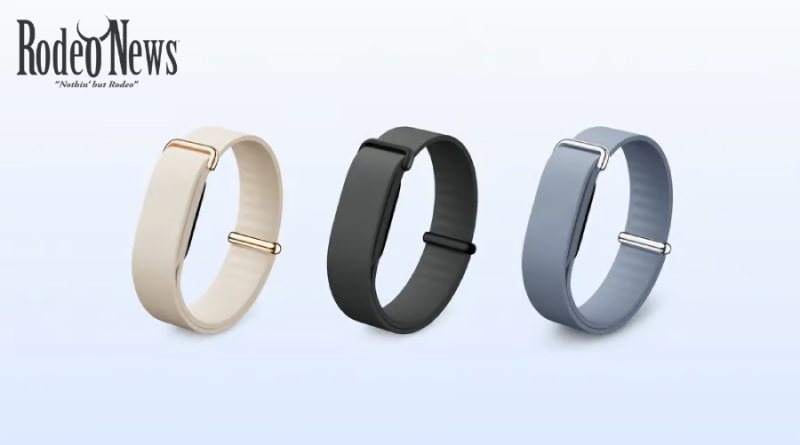
Google Fitbit Air Revealed: 7 Powerful Features
Fitbit Air is officially here, and the wearable industry may never look the same again. After months of leaks and speculation, Google finally introduced the minimalist health tracker designed for users who want health insights without constant distractions.
Unlike traditional smartwatches packed with screens, notifications, and apps, the new Google Fitbit Air removes the display entirely. Instead, the device focuses on passive health tracking, comfort, and AI-powered wellness guidance through the new Google Health platform.
The launch signals a major shift in wearable technology. While many companies continue building increasingly complex smartwatches, Google appears to be betting on simplicity.
According to multiple reports, the Fitbit Air starts at $99.99 and is positioned as a lightweight alternative to devices like Whoop and smart rings.
What Is the Google Fitbit Air?
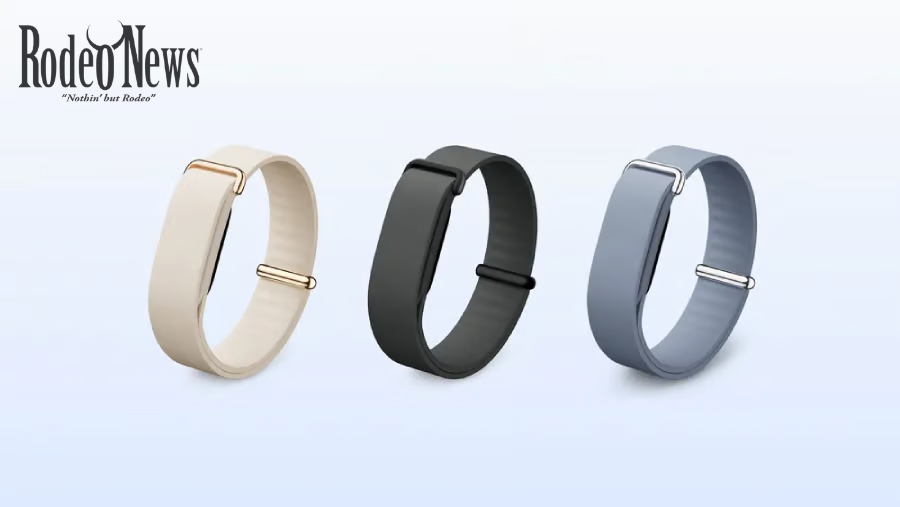
The Google Fitbit Air is a screenless fitness tracker built for continuous health monitoring. The device resembles a slim sensor module embedded into interchangeable wristbands.
Google says the wearable was created for users who find smartwatches bulky, distracting, or too expensive. Instead of interacting with a display, users check their health metrics directly through the Google Health app on Android and iOS devices.
The product represents Google’s first major Fitbit hardware launch since the Charge 6. Industry analysts believe the move could redefine the future of wearable technology.
1. Screenless Design Focuses on Simplicity
The biggest talking point surrounding the Google Fitbit Air is its complete lack of a screen.
That decision may sound unusual at first. However, Google believes many users now want fewer distractions rather than more notifications on their wrists.
The minimalist design also makes the tracker lighter and more comfortable for 24/7 wear, especially during sleep and workouts. Reports indicate the wearable is roughly 20–25% lighter than previous Fitbit models like the Fitbit Luxe.
This approach places the Fitbit Air directly against competitors such as Whoop and Oura Ring, which also focus heavily on passive wellness tracking.
Interestingly, many online users appear divided on the concept.
Some Reddit users praised the distraction-free experience and the ability to wear traditional watches alongside the tracker. Others criticized the lack of basic display functions like checking the time or heart rate directly from the wrist.
2. Advanced Health Sensors Power the Fitbit Air
Despite its minimalist appearance, the Google Fitbit Air includes an impressive set of sensors.
According to official announcements, the wearable supports:
- 24/7 heart rate monitoring
- Blood oxygen (SpO2) tracking
- Skin temperature monitoring
- Heart rhythm monitoring with AFib alerts
- Sleep tracking and sleep stage analysis
- Heart rate variability (HRV) monitoring
- Automatic workout detection
These features place the Fitbit Air among the most capable lightweight fitness trackers currently available.
Google says the system continuously learns user habits over time, improving personalized wellness insights.
3. AI Health Coaching Becomes the Main Attraction
Another major highlight is the integration of Google’s Gemini AI-powered coaching system.
The Fitbit Air works closely with the new Google Health app, which replaces parts of the older Fitbit ecosystem. Through this platform, users can receive personalized guidance related to:
- Recovery
- Sleep quality
- Exercise intensity
- Stress management
- Nutrition habits
- Daily activity patterns
Google calls the system “Google Health Coach,” and premium AI insights require a subscription plan priced at around $9.99 per month.
The company believes AI-driven health recommendations could become the next evolution of consumer wellness technology.
However, privacy concerns remain a topic of discussion among experts and consumers alike.
4. Battery Life Could Become a Huge Advantage
One of the biggest frustrations with modern smartwatches is battery life.
Google appears to have solved that issue with the Fitbit Air.
Reports suggest the tracker can last up to seven days on a single charge. Even more impressive, fast charging reportedly delivers a full day of power in just five minutes.
Because the wearable lacks a power-hungry display, Google can prioritize battery efficiency without sacrificing core health features.
This could make the Fitbit Air especially attractive to users tired of charging smartwatches every night.
5. Google Is Targeting “Screen Fatigue”
The Fitbit Air launch also reflects a broader shift happening across the wearable industry.
Many consumers now complain about “screen fatigue” caused by constant digital interruptions. Smartwatches originally promised convenience, but some users feel they simply extended smartphone distractions onto the wrist.
Industry discussions on Reddit and health technology forums suggest growing interest in “ambient” wellness devices that quietly collect data in the background.
Google appears to be positioning the Fitbit Air as exactly that type of product.
The wearable is designed to disappear into daily life while still delivering valuable health insights behind the scenes.
6. Fitbit Air May Challenge Whoop and Smart Rings
The launch immediately sparked comparisons to Whoop, one of the fastest-growing screenless fitness wearables.
Unlike Whoop, however, the Google Fitbit Air enters the market at a much lower price point. At roughly $99.99, the device undercuts several premium competitors.
That pricing strategy could help Google attract casual users who want advanced wellness tracking without committing to expensive subscriptions or premium hardware.
Meanwhile, smart rings such as Oura have also helped popularize the idea of passive health tracking. Analysts now believe the wearable industry may be shifting away from screens entirely.
Instead of competing on app ecosystems and smartwatch features, companies are increasingly competing on comfort, recovery metrics, and AI intelligence.
7. Google Health Could Become Bigger Than Fitbit
The Fitbit Air may actually represent something larger than a new wearable.
Google is also rolling out the broader Google Health platform, which aims to unify fitness, wellness, and medical data across devices.
Reports suggest the company eventually wants the platform to support multiple wearables beyond Fitbit devices.
That means the Fitbit Air could become the foundation for a much larger AI-powered health ecosystem.
Some experts believe this strategy mirrors Google’s broader ambitions in artificial intelligence and personalized computing.
If successful, Google may eventually transform Fitbit from a hardware brand into a full-scale health intelligence platform.
Public Reaction Remains Mixed
The reaction online has been fascinating.
Some users love the idea of a distraction-free wearable. Others argue removing the screen eliminates practical functions people still want.
Several Reddit discussions highlighted concerns about subscriptions and missing features. Meanwhile, supporters praised the minimalist approach and longer battery life.
That split reaction may ultimately determine whether the Fitbit Air becomes a mainstream success or remains a niche product.
Still, one thing is clear: Google is taking a major risk by challenging traditional assumptions about wearable devices.