Super El Niño Massachusetts Forecast Raises Alarm for 2026
Meteorologists and climate experts are increasingly warning that a developing “Super El Niño” could dramatically affect weather patterns across Massachusetts and the wider New England region during the second half of 2026 and into 2027. Scientists say ocean temperatures in the Pacific are warming rapidly, increasing the odds of one of the strongest El Niño events seen in more than a century.
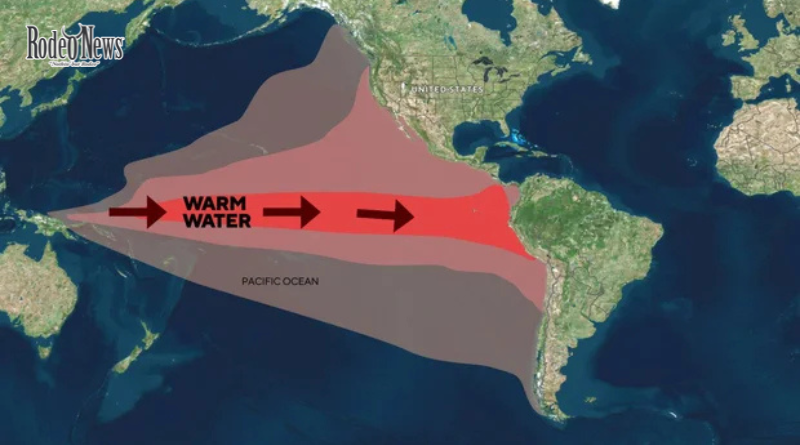
The phenomenon, known as El Niño, occurs when sea surface temperatures in the equatorial Pacific Ocean become significantly warmer than average. While El Niño events happen naturally every few years, a “Super El Niño” is far rarer and far more intense. Experts now believe the developing system may rival the historic events of 1877 and 2015.
For Massachusetts residents, that could mean hotter summers, more humidity, stronger rainstorms, unusual winter conditions, and even shifts in hurricane activity along the East Coast.
What Is a Super El Niño?
A Super El Niño is an exceptionally powerful version of the El Niño climate cycle. Scientists generally classify it when Pacific Ocean temperatures rise more than 2 degrees Celsius above average across key regions of the ocean.
Climate researchers say recent ocean temperature readings have surged at an alarming pace. Forecast models from international weather agencies now show a growing probability that the climate pattern will intensify rapidly through late 2026.
The warming Pacific alters atmospheric circulation around the world. As a result, weather systems thousands of miles away — including those affecting New England — can change dramatically.
Massachusetts may not sit near the Pacific Ocean, but the state often experiences major downstream impacts from El Niño events.
Why Massachusetts Could Feel Major Impacts
Weather experts in Boston and across New England are already discussing the possible consequences of a strong El Niño setup. According to regional forecasts, the climate pattern could increase the likelihood of prolonged heat waves, tropical moisture surges, and unusual winter storm behavior.
“A stronger El Niño often leans toward a warmer and more humid summer across the Northeast,” climate specialists told regional media outlets earlier this spring.
Historically, strong El Niño years have brought several noticeable changes to Massachusetts weather:
- Warmer-than-average temperatures
- Increased humidity
- More intense rainfall events
- Reduced snowfall in some areas
- Higher risk of coastal storms during winter
- More unpredictable seasonal swings
While no single storm can be blamed entirely on El Niño, forecasters say the climate pattern loads the atmosphere toward certain outcomes.
Boston Could See Record Heat Waves
One of the biggest concerns surrounding the Super El Niño Massachusetts forecast is extreme heat.
Climate experts believe 2026 and possibly 2027 could rank among the hottest years ever recorded globally.
That warming trend could significantly affect Boston and surrounding communities. Meteorologists say the Northeast may experience more days above 90 degrees Fahrenheit than usual during the summer season. Humidity levels could also rise, making heat waves feel even more dangerous.
Cities like Boston already struggle with the “urban heat island” effect, where concrete and infrastructure trap heat overnight. During prolonged hot periods, overnight temperatures may stay unusually high, increasing health risks for elderly residents and vulnerable populations.
Energy demand may also surge as air conditioning usage climbs across Massachusetts.
Could Hurricanes Become More Dangerous?
Interestingly, El Niño can have mixed effects on Atlantic hurricanes.
A strong El Niño often increases wind shear over the Atlantic Ocean, which can disrupt hurricane formation. That may reduce the overall number of storms during hurricane season.
However, experts caution that fewer storms does not necessarily mean lower risk for New England.
History shows that destructive hurricanes can still strike during strong El Niño years. Weather analysts often point to Hurricane Bob in 1991 as a reminder that New England remains vulnerable even when conditions are less favorable for tropical systems overall.
Massachusetts coastal communities continue to face threats from:
- Storm surge flooding
- Coastal erosion
- High winds
- Heavy rainfall
- Power outages
Because ocean temperatures worldwide remain unusually warm, forecasters say even isolated tropical systems could intensify quickly.
Winter in Massachusetts May Become Highly Unpredictable
The winter outlook tied to the Super El Niño Massachusetts pattern remains one of the most debated topics among meteorologists.
Traditionally, El Niño winters in New England are somewhat warmer and wetter than normal. However, stronger El Niño events can also enhance coastal storm systems known as nor’easters.
Massachusetts has already experienced several major winter storms this year, including powerful nor’easters that caused heavy snowfall, coastal flooding, and widespread power outages.
Some experts believe the upcoming winter could bring:
- Larger coastal storms
- Rapid temperature swings
- Heavy wet snow events
- Increased flooding risks
- Stronger windstorms
At the same time, average temperatures may remain above historical norms.
This combination can create especially dangerous conditions because warmer air often holds more moisture, fueling stronger precipitation events.
Scientists Warn of Global Consequences
The potential Super El Niño is not just a Massachusetts issue. Globally, experts warn the climate event could amplify droughts, floods, agricultural disruptions, and heat waves across multiple continents.
Researchers are particularly concerned because the world is already experiencing elevated temperatures due to long-term climate change.
When El Niño releases additional heat into the atmosphere, global temperatures can spike sharply. Some forecasts now suggest 2027 could become the warmest year ever recorded on Earth.
Online climate discussions have exploded in recent weeks as weather enthusiasts and scientists debate how severe the event may become.
•
r/hurricane
›
When they say “record-setting”, they refer to global temperature anomalies.
•
r/ManchesterNH
›
Short version: hot summer, quiet hurricane season, easy winter, warm spring.
•
r/boulder
›
The hype is way ahead of the science.
Give feedback
Those conversations reflect a growing mix of concern and caution. While many forecasts point toward a strong El Niño, experts emphasize that spring climate predictions still carry uncertainty.
NOAA and Climate Experts Continue Monitoring Conditions
The National Oceanic and Atmospheric Administration (NOAA) and other global forecasting agencies continue tracking ocean temperature changes closely.
Recent outlooks suggest El Niño conditions could fully develop during summer 2026 and intensify into late autumn and winter.
Scientists are especially focused on subsurface Pacific Ocean heat levels, which have increased rapidly in recent months.
Some meteorologists believe the developing pattern could strengthen further if atmospheric conditions align over the next several weeks.
However, forecasting long-range climate behavior remains difficult. Even strong El Niño events do not guarantee identical impacts in every region.
How Massachusetts Residents Can Prepare
Although exact outcomes remain uncertain, experts recommend Massachusetts residents prepare for a year of potentially volatile weather.
Residents should consider:
- Monitoring local weather alerts regularly
- Preparing for extreme summer heat
- Reviewing hurricane emergency plans
- Checking flood insurance coverage
- Maintaining emergency power supplies
- Staying informed during winter storm season
Communities along the Massachusetts coastline may face elevated flooding risks during both tropical and winter storm events.
Meanwhile, inland areas could experience stronger thunderstorms, flash flooding, and heat-related stress during the peak summer months.
The Bottom Line on the Super El Niño Massachusetts Outlook
The growing possibility of a Super El Niño is becoming one of the most closely watched climate stories of 2026.
Scientists say the developing Pacific warming pattern has the potential to reshape weather across the globe, including throughout Massachusetts and New England. While uncertainty remains, forecasters increasingly agree that unusual and potentially extreme conditions may emerge over the next 12 to 18 months.
For Massachusetts residents, the biggest risks may include extreme summer heat, stronger rainstorms, coastal flooding threats, and unpredictable winter weather.
As climate experts continue monitoring the Pacific Ocean, one thing is becoming increasingly clear: the atmosphere may be entering a highly volatile period that could redefine weather expectations across the Northeast.