Russia Victory Day 2026: Fear, Fatigue and Patriotism Collide
Russia Victory Day 2026: Fear, Fatigue and Patriotism Collide
Russia’s annual Victory Day celebration has long been one of the country’s most powerful patriotic events. However, in 2026, the mood surrounding the historic May 9 commemoration feels dramatically different.
As the war in Ukraine drags into another exhausting year, Russia is preparing for Victory Day under unprecedented security concerns, public anxiety, and mounting battlefield pressure. Instead of a triumphant national atmosphere, this year’s event is unfolding beneath the shadow of drone threats, military losses, and fears of escalation.
The Kremlin has attempted to project strength ahead of the massive Moscow parade. Yet signs of strain are increasingly visible across the country.
What Is Russia Victory Day?
Victory Day commemorates the Soviet Union’s victory over Nazi Germany in World War II. The holiday is celebrated every year on May 9 and remains one of the most emotional and politically significant events in Russia.
The occasion traditionally features:
- Massive military parades
- Tanks and missile displays
- Air force flyovers
- Patriotic concerts
- National speeches from Russian leaders
For decades, the celebration has served as both a remembrance event and a symbol of Russian national identity.
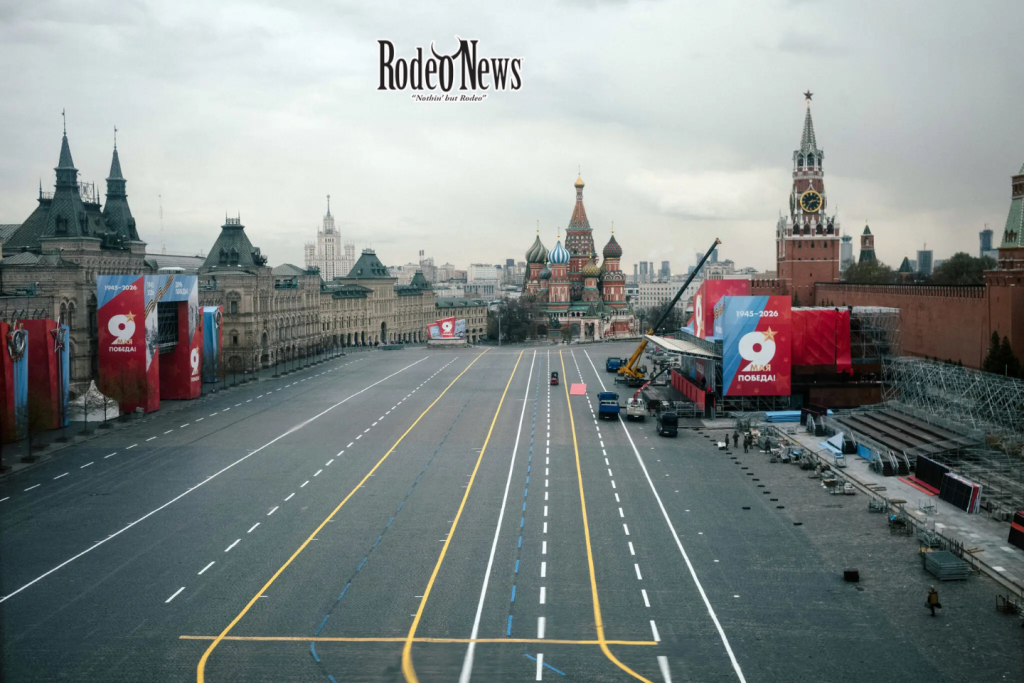
Moscow Under Heavy Security Lockdown
This year, Moscow has effectively transformed into a high-security zone.
Russian authorities reportedly increased protection measures around President Vladimir Putin and key government facilities ahead of the parade. Airports experienced temporary shutdowns, while mobile internet disruptions were reported across parts of the capital.
Security fears intensified after a series of Ukrainian drone attacks targeted areas deep inside Russian territory in recent months. Officials fear that symbolic national events like Victory Day could become high-profile targets.
According to reports, Russia even warned foreign diplomats and organizations in Kyiv about potential escalation risks surrounding the celebrations.
A Victory Parade Without Military Hardware
One of the most striking developments this year is the absence of heavy military equipment during the Moscow parade.
For the first time in nearly two decades, Russia’s Victory Day event will reportedly proceed without large displays of tanks and missile systems. Analysts say the decision reflects growing security concerns and operational pressures linked to the Ukraine war.
Traditionally, the parade serves as a showcase of Russian military power. The removal of armored columns has fueled speculation that the Kremlin is increasingly cautious about possible attacks or embarrassing disruptions broadcast on live television.
Military analysts cited in reports suggested that staging areas for military vehicles could be vulnerable to drone strikes before the event even begins.
Russia and Ukraine Continue Fighting Despite Ceasefire Claims
Ahead of Victory Day, Russia announced a temporary ceasefire linked to the celebrations. Ukraine, however, accused Moscow of continuing attacks and dismissed the truce as symbolic rather than genuine.
Both countries later accused each other of violating ceasefire agreements.
Reports indicated:
- Drone strikes continued across multiple regions
- Missile attacks intensified
- Artillery exchanges persisted
- Civilian casualties were reported on both sides
The continued fighting highlighted the deep mistrust between Moscow and Kyiv, despite international calls for de-escalation.
Public Mood in Russia Appears Increasingly Complicated
Victory Day has historically united Russian society through remembrance and patriotism. However, the national atmosphere in 2026 appears far more complicated.
Many Russians continue to strongly support the symbolism of Victory Day and the memory of World War II sacrifices. Yet there are growing signs of fatigue tied to the prolonged Ukraine conflict.
According to recent reports:
- Economic pressure is rising
- Public frustration has increased
- Security fears have become more visible
- Concerns over military casualties continue to grow
Some analysts argue that the Kremlin is now balancing patriotic messaging with attempts to reassure an increasingly anxious population.
Why Victory Day Matters So Much to Putin
For President Vladimir Putin, Victory Day is far more than a historical anniversary.
The event has become central to Russia’s modern political identity. The Kremlin frequently frames World War II remembrance as proof of national resilience, sacrifice, and military strength.
Over the past decade, Victory Day parades have also served as:
- Diplomatic showcases
- Domestic political symbols
- Military demonstrations
- National unity campaigns
However, critics argue that the ongoing Ukraine war has changed public perception of these displays. Some observers believe the symbolism of wartime sacrifice now carries uncomfortable parallels with Russia’s current military campaign.
Drone Warfare Is Changing the Psychological Battlefield
One of the biggest shifts in the conflict has been the growing impact of drone warfare inside Russian territory.
While earlier stages of the war felt distant for many ordinary Russians, repeated drone incidents near Moscow and other cities have brought the conflict psychologically closer to home.
Experts say this has created:
- Greater public unease
- Increased pressure on security forces
- Fear surrounding major public gatherings
- Concerns about vulnerability inside Russia itself
That anxiety appears to be influencing the tone of this year’s Victory Day preparations.
International Attention Focuses on Moscow
The 2026 parade is drawing intense international scrutiny.
Governments, military analysts, and global media outlets are closely watching:
- Putin’s public appearance
- Security arrangements
- Military messaging
- Attendance by foreign leaders
- Potential escalation risks involving Ukraine
The parade also arrives at a time when geopolitical tensions between Russia and Western nations remain extremely high.
Many international observers believe the symbolism of Victory Day this year extends far beyond historical remembrance. Instead, it has become a reflection of Russia’s broader political and military position in 2026.
Can Russia Still Project Strength?
Despite security concerns and military pressures, the Kremlin continues trying to present an image of control and national confidence.
State media coverage of Victory Day remains highly patriotic. Public ceremonies, speeches, and televised events are expected to emphasize resilience and unity.
However, the absence of major military hardware, combined with extraordinary security measures, has led some analysts to question whether the event now reflects caution as much as confidence.
The contrast between celebration and wartime uncertainty may define Russia Victory Day 2026 more than any parade itself.
Final Thoughts
Victory Day remains deeply important to millions of Russians. The memory of World War II continues to shape the country’s identity, politics, and national pride.
Yet the 2026 celebrations are unfolding during one of the most tense periods Russia has faced in years. Between battlefield uncertainty, rising security fears, and growing public fatigue, the atmosphere surrounding this year’s parade feels markedly different from previous anniversaries.
Instead of a simple display of military power, Russia Victory Day 2026 has become a powerful symbol of a nation balancing patriotism, pressure, and the ongoing realities of war.