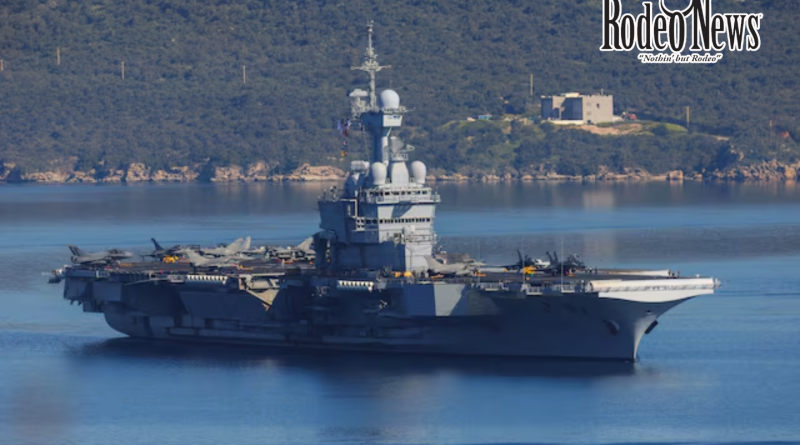
French Carrier Moves Into Red Sea Amid Hormuz Crisis
France has moved its powerful aircraft carrier strike group into the Red Sea and Gulf of Aden as tensions surrounding the Strait of Hormuz continue to threaten global shipping and oil markets. The deployment of the French aircraft carrier Red Sea mission signals Europe’s growing involvement in securing maritime routes amid fears of a wider regional conflict.
The French Armed Forces Ministry confirmed that the nuclear-powered aircraft carrier Charles de Gaulle crossed the Suez Canal this week before heading toward the southern Red Sea. The operation comes as France and Britain intensify preparations for a possible multinational mission aimed at protecting freedom of navigation in the Strait of Hormuz.
The move marks one of Europe’s most significant naval deployments in the Middle East since the regional crisis escalated earlier this year.
Why France Sent Its Aircraft Carrier Into the Red Sea
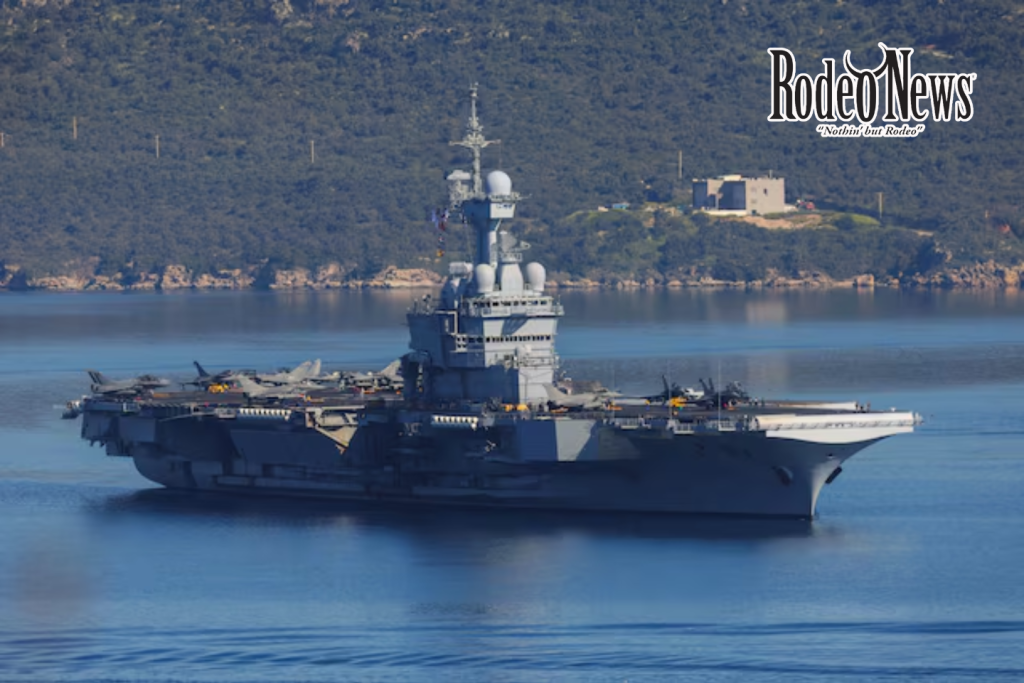
The French aircraft carrier Red Sea deployment is closely tied to worsening instability around the Strait of Hormuz, one of the world’s most critical maritime chokepoints.
Nearly 20% of global oil shipments pass through the narrow waterway. However, ongoing tensions involving Iran, the United States, and allied nations have severely disrupted commercial shipping. Insurance costs for tankers have surged, while several shipping firms have rerouted vessels away from the region.
France believes a stronger naval presence could help stabilize maritime traffic and reassure commercial operators. According to French officials, the mission is currently focused on assessing operational conditions and preparing for a future convoy-protection initiative.
Meanwhile, Paris has emphasized that the operation is defensive rather than offensive.
French President Emmanuel Macron has repeatedly called for all parties to lift maritime blockades and return to diplomatic negotiations. European governments remain concerned that prolonged disruption in Hormuz could trigger another global energy shock.
The Role of the Charles de Gaulle Carrier Group
At the center of the deployment is the French aircraft carrier Charles de Gaulle, France’s flagship warship and Europe’s only nuclear-powered aircraft carrier.
The carrier strike group includes several escort vessels from allied European nations, including Dutch and Italian warships. France has also coordinated closely with Britain in planning future maritime security operations in the Gulf region.
The Charles de Gaulle is capable of remaining at sea for four to five months without needing significant logistical support. The vessel carries Rafale fighter jets, airborne early warning aircraft, helicopters, and advanced missile-defense systems.
Military analysts say the deployment gives France the flexibility to quickly respond to threats against commercial vessels or allied assets in the region.
The carrier had previously been stationed in the eastern Mediterranean following U.S. and Israeli strikes connected to the expanding Iran conflict earlier this year.
Strait of Hormuz Remains a Global Flashpoint
The French aircraft carrier Red Sea mission highlights how the Strait of Hormuz has once again become one of the world’s most dangerous geopolitical flashpoints.
The strategic waterway links the Persian Gulf to global markets. Any disruption immediately affects oil prices, shipping costs, and international trade flows.
Recent military incidents involving Iranian forces, Western naval patrols, and commercial vessels have raised fears of direct confrontation. Several governments have already advised shipping companies to exercise extreme caution in the region.
According to Reuters, France and Britain are attempting to create conditions for a future international mission that would escort merchant vessels once tensions begin to ease.
Unlike earlier U.S.-led operations, European officials say the proposed mission would focus strictly on defensive maritime security and international law compliance.
That distinction is important because several European nations previously criticized Washington’s aggressive approach toward Iran.
Europe Expands Its Middle East Naval Presence
The French aircraft carrier Red Sea deployment is part of a broader European military buildup across the Mediterranean and Middle East.
Earlier this year, France announced plans to deploy nearly a dozen naval vessels to the region, including frigates, support ships, and helicopter carriers.
The increased presence reflects growing European concern about:
- Energy supply disruptions
- Rising oil prices
- Maritime insurance risks
- Regional instability
- Potential attacks on commercial shipping
Britain has also played a central role in discussions surrounding a future naval protection force.
Meanwhile, European Union maritime missions operating in nearby waters continue monitoring threats linked to regional militant groups and piracy networks.
Security experts warn that instability in the Red Sea, Gulf of Aden, and Hormuz corridor could create a prolonged global shipping crisis if tensions continue escalating.
Red Sea and Gulf of Aden Security Challenges
The Red Sea and Gulf of Aden already face serious security challenges even without the Hormuz crisis.
Commercial vessels operating in these waters have dealt with piracy threats, drone attacks, missile incidents, and regional militant activity over the past several years.
The Bab el-Mandeb Strait, another critical maritime chokepoint connecting the Red Sea to the Gulf of Aden, remains especially vulnerable.
Military planners worry that simultaneous disruptions in both Hormuz and Bab el-Mandeb could severely impact global supply chains.
That risk partly explains why France is positioning the Charles de Gaulle further south after crossing the Suez Canal.
French military officials say the deployment will allow the carrier group to quickly support future operations across multiple maritime zones if required.
France Pushes for Diplomacy Alongside Military Readiness
Despite the major naval deployment, France continues emphasizing diplomacy over direct military confrontation.
President Macron has held discussions with regional leaders and international allies in hopes of reducing tensions and reopening shipping corridors safely.
France believes that any long-term maritime security arrangement must involve regional cooperation, including communication with Iran.
Analysts say Paris is attempting to position itself as both a military stabilizer and diplomatic intermediary during the crisis.
This balanced approach differs from the more aggressive military posture previously adopted by the United States.
French officials have also stressed that the proposed maritime mission would only begin once threats to commercial shipping decrease and insurers regain confidence in the region’s security environment.
Oil Markets Closely Watching Hormuz Developments
Global energy markets are monitoring every development connected to the French aircraft carrier Red Sea mission.
The Strait of Hormuz remains essential for oil exports from Gulf producers. Even temporary disruptions can cause sharp swings in global crude prices.
Shipping delays, higher insurance costs, and rerouted cargo traffic are already placing pressure on international supply chains.
Energy analysts warn that a prolonged crisis could impact fuel prices worldwide, particularly in Europe and Asia.
As a result, governments across Europe are increasingly supportive of coordinated naval operations designed to protect maritime trade routes.
Several shipping companies are also waiting to see whether France and Britain can successfully organize a multinational escort framework.
What Happens Next
The future of the French aircraft carrier Red Sea operation will largely depend on diplomatic developments involving Iran, the United States, and European allies.
For now, the Charles de Gaulle strike group is expected to remain deployed in the region for several months while military planners continue evaluating security conditions.
France and Britain are reportedly still building international support for a broader maritime protection mission that could launch later this year if tensions ease.
However, regional risks remain high.
Any new attacks on commercial shipping or military assets could rapidly escalate the situation and force additional Western deployments.
The presence of Europe’s only nuclear-powered aircraft carrier in the Red Sea underscores just how seriously European governments view the current threat to global maritime trade.
For now, the French aircraft carrier Red Sea deployment stands as both a warning and a message of reassurance: Europe is preparing to defend critical shipping lanes while still pushing for diplomacy to prevent a wider regional conflict.