Met Gala 2026 Backlash Dominates Fashion’s Biggest Night
The Met Gala 2026 backlash has quickly become one of the most talked-about controversies in recent fashion history, overshadowing what is traditionally celebrated as the most glamorous night of the year. Held at the iconic Metropolitan Museum of Art, the annual fundraiser for the Costume Institute is known for its breathtaking couture and cultural influence. However, this year, criticism surrounding billionaire involvement—particularly Jeff Bezos and Lauren Sánchez—has dominated headlines.
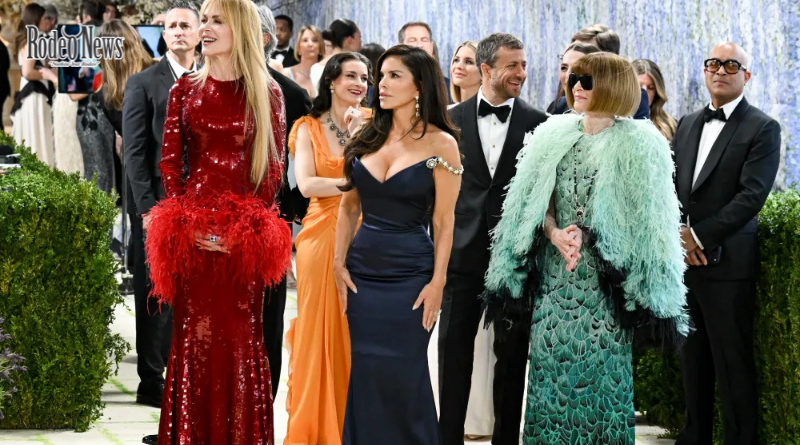
Instead of focusing solely on fashion, the conversation has shifted toward wealth, influence, and what some critics are calling a loss of authenticity.
Why Met Gala 2026 Faced Intense Criticism
The 2026 edition of the Met Gala carried the theme “Fashion Is Art,” encouraging attendees to interpret clothing as a form of artistic expression. While many celebrities embraced the theme creatively, backlash grew over the increasing influence of ultra-wealthy figures.
According to reports, Jeff Bezos and Lauren Sánchez served as major sponsors and honorary co-chairs, contributing millions to the event.
However, critics argued that their prominent presence transformed the gala into what some described as a “caricature of itself,” raising concerns about the intersection of extreme wealth and cultural institutions.
Outside the venue, protests erupted across New York City, with activists highlighting wealth inequality and labor issues tied to Amazon.
“Bezos Ball”: The Viral Criticism Explained
A particularly sharp critique came from Variety, which described the event as increasingly resembling a “Bezos Ball,” suggesting that the gala’s identity had shifted away from fashion and toward billionaire spectacle.
This sentiment resonated widely online, where social media users questioned whether the event still represented creativity—or had become a symbol of excess.
Critics pointed to several factors:
- The dominance of billionaire sponsorships
- The exclusivity of attendance (tickets reportedly reaching $100,000)
- The perceived disconnect between the gala’s luxury and global economic realities
While the Met Gala has always been exclusive, 2026 amplified these concerns to a new level.
Celebrity Highlights Still Stole the Spotlight
Despite the controversy, the red carpet delivered unforgettable fashion moments.
One of the most talked-about appearances came from Bad Bunny, who stunned attendees with an elaborate transformation using prosthetics to appear decades older. His look aligned with the exhibition’s focus on the human body as art and sparked widespread discussion.
Meanwhile, fashion interpretations ranged from surrealist inspirations to classical art references. Celebrities drew from iconic artworks, sculptures, and historical themes to bring the “Fashion Is Art” concept to life.
Notable trends included:
- Sculptural outfits inspired by classical statues
- Surrealist gowns referencing famous paintings
- Experimental designs blurring the line between costume and couture
Even critics acknowledged that, creatively, the event still delivered visually striking moments.
Lauren Sánchez’s Look and Symbolism
Lauren Sánchez made headlines with a gown inspired by John Singer Sargent’s famous portrait “Madame X,” a historically controversial artwork tied to social status and public perception.
Her appearance symbolized more than fashion—it echoed themes of social ascent and public scrutiny, paralleling the broader criticism surrounding her and Bezos’ influence on the event.
Some fashion commentators praised the reference as bold and on-theme. Others saw it as emblematic of the very elitism critics were protesting.
A Night of Contrasts: Art vs. Excess
The central irony of the Met Gala 2026 backlash lies in its theme. “Fashion Is Art” aimed to celebrate creativity, individuality, and cultural expression.
Yet, the event simultaneously highlighted:
- Extreme wealth concentration
- The growing influence of billionaires in cultural spaces
- Public dissatisfaction with elite institutions
Inside the gala, the atmosphere remained theatrical and glamorous. Outside, protests and criticism painted a very different picture.
This contrast turned the event into more than just a fashion showcase—it became a reflection of broader societal tensions.
Missing Stars and Growing Discontent
Another layer of intrigue came from the noticeable absence of several high-profile celebrities. Reports suggested that some stars chose to skip the event amid controversy or scheduling conflicts.
While absences are common every year, in 2026 they fueled speculation about whether some figures were distancing themselves from the backlash.
This added to the perception that the gala’s cultural dominance may be facing new challenges.
The Evolution of the Met Gala
To understand the significance of the backlash, it’s important to consider how the Met Gala has evolved.
Originally founded as a fundraiser for the Costume Institute, the event has grown into a global spectacle blending fashion, celebrity, and cultural commentary.
Over the years, it has:
- Increased ticket prices dramatically
- Expanded its global influence
- Become a platform for both artistic expression and social messaging
However, 2026 may mark a turning point—where the balance between art and opulence is being publicly questioned.
Social Media Amplifies the Backlash
Unlike previous years, the Met Gala 2026 backlash gained massive traction online. Social media platforms were flooded with reactions criticizing:
- The event’s exclusivity
- The prominence of billionaire figures
- The perceived disconnect from everyday realities
At the same time, others defended the gala, arguing that it remains a vital fundraiser for the arts and a celebration of creativity.
This divide reflects a broader cultural conversation about wealth, influence, and the role of elite events in modern society.
Is the Met Gala Losing Its Identity?
The biggest question emerging from the Met Gala 2026 backlash is whether the event is losing its original purpose.
Critics argue that:
- The gala risks becoming more about power than fashion
- Artistic expression may be overshadowed by sponsorship influence
- Public perception is shifting toward skepticism
Supporters counter that:
- The event continues to raise significant funds for the arts
- It remains a unique platform for creative expression
- Controversy has always been part of its legacy
Both perspectives highlight the complexity of the issue.
What Comes Next for the Met Gala
Looking ahead, the future of the Met Gala may depend on how organizers respond to this year’s criticism.
Possible outcomes include:
- A renewed focus on artistic integrity
- Greater transparency around sponsorships
- Efforts to address public concerns about exclusivity
Regardless of the path forward, one thing is clear: the Met Gala is no longer just about fashion—it’s a cultural mirror reflecting the tensions of its time.
Conclusion
The Met Gala 2026 backlash has transformed what should have been a celebration of fashion into a global conversation about wealth, power, and cultural identity.
While the red carpet still dazzled with creativity and bold artistic expression, the controversy surrounding Jeff Bezos and Lauren Sánchez has left a lasting impact on how the event is perceived.
In the end, the 2026 Met Gala may be remembered less for its outfits—and more for the questions it raised about the future of fashion’s most iconic night.